


Primary sourceSculpture1804
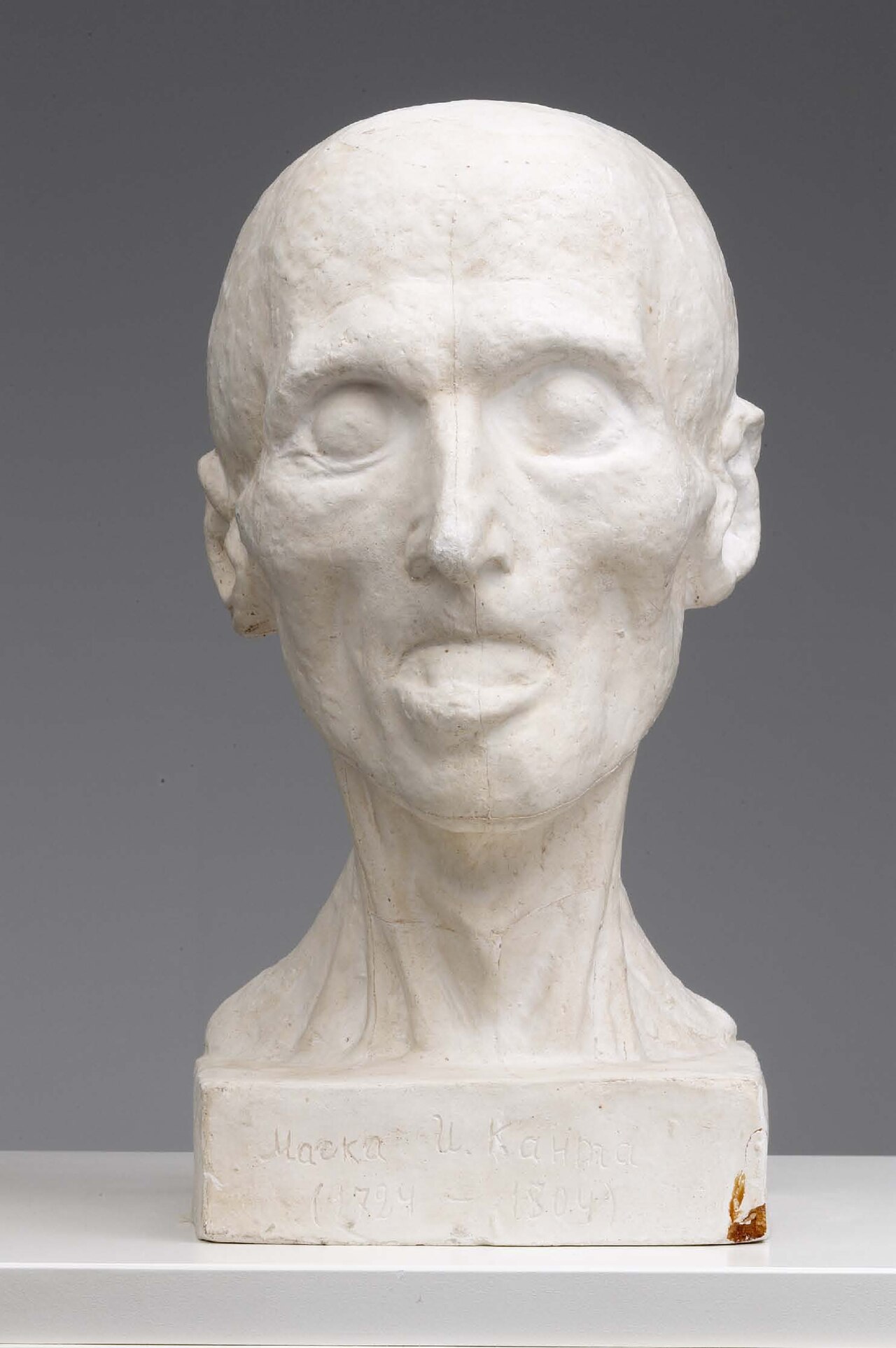
Death Mask of Immanuel Kant
Andreas Knorre · 1804
A plaster death mask made from Kant's face in 1804, the year of his death, by Andreas Knorre.
This death mask was cast directly from Kant's face in the year he died, a direct physical trace of the philosopher.
About this source
What it is
This white plaster death mask was made by Andreas Knorre in 1804, the same year Immanuel Kant died. It was cast directly from Kant's face, showing his bald head, closed eyes, prominent nose, and set mouth.
Why it matters
Death masks were a common way in this period to preserve a precise record of a person's features after death, before photography existed. Because this mask was taken directly from Kant's face, it is considered a very direct and reliable physical record of his actual appearance, unlike a painted portrait made from memory or imagination.
Look closer
- Why might people in Kant's time have wanted a direct cast of his face rather than relying only on paintings?
- What can you learn about a person's appearance from a death mask that you cannot learn from a portrait painted earlier in life?
- How does seeing this object make you think differently about Kant as a real historical person?
This sculpture is part of the curated material that grounds the AI version of Immanuel Kant on Humy.ai — when students ask about related events, the AI can quote it and cite it.
More Immanuel Kant sources
Meet the AI Immanuel Kant →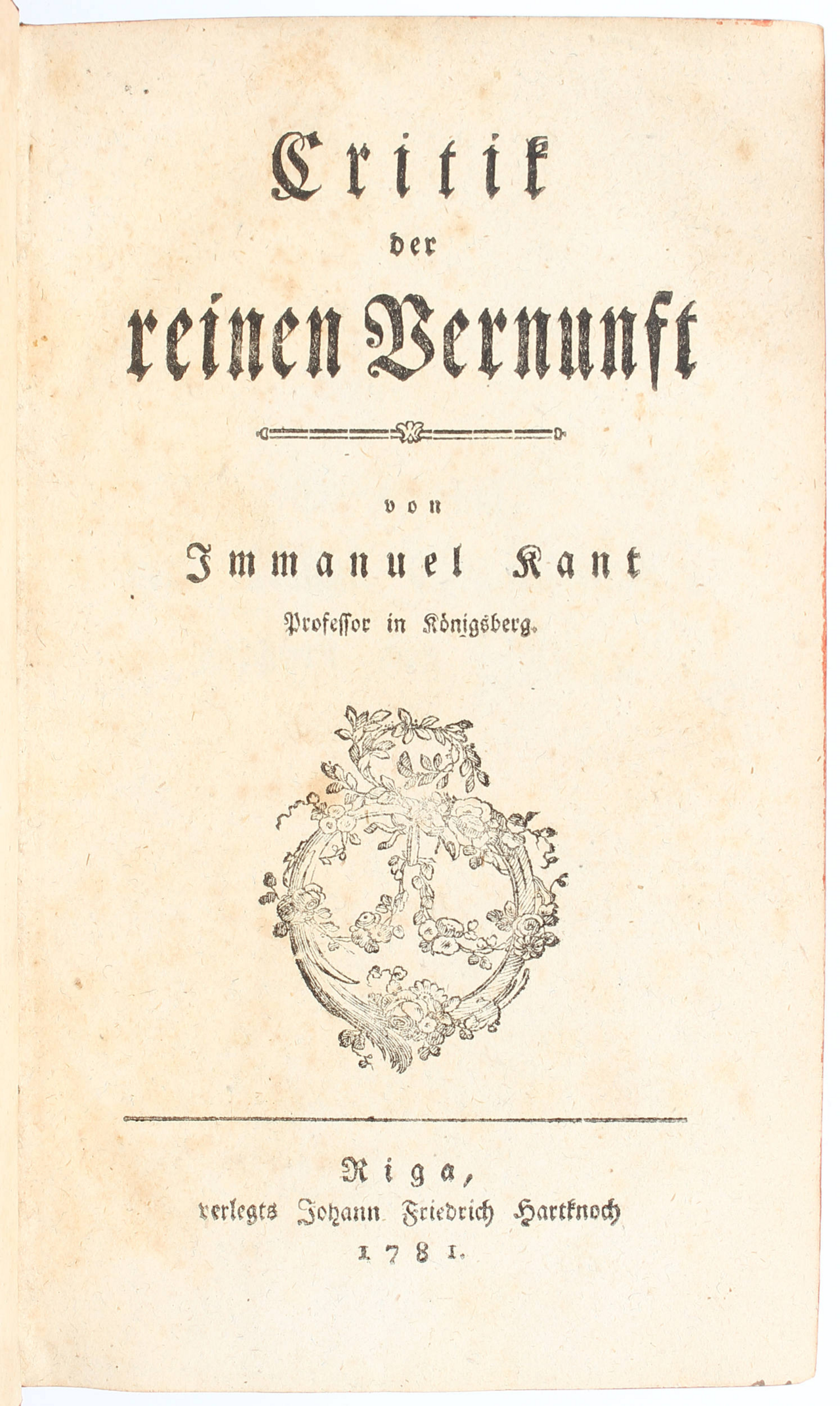 Book
Primary source
Critique of Pure Reason
Immanuel Kant · 1781 (revised 1787)
 Book
Primary source
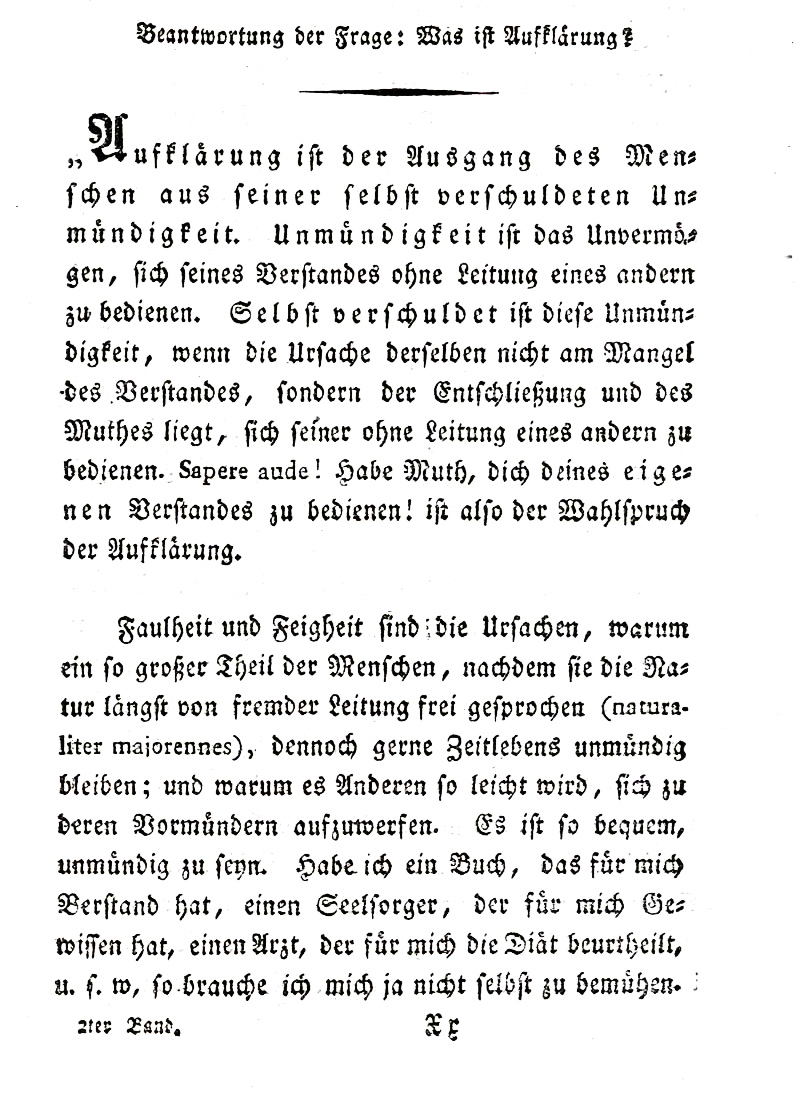
Answering the Question: What Is Enlightenment?
Immanuel Kant · 1784
 Book
Primary source
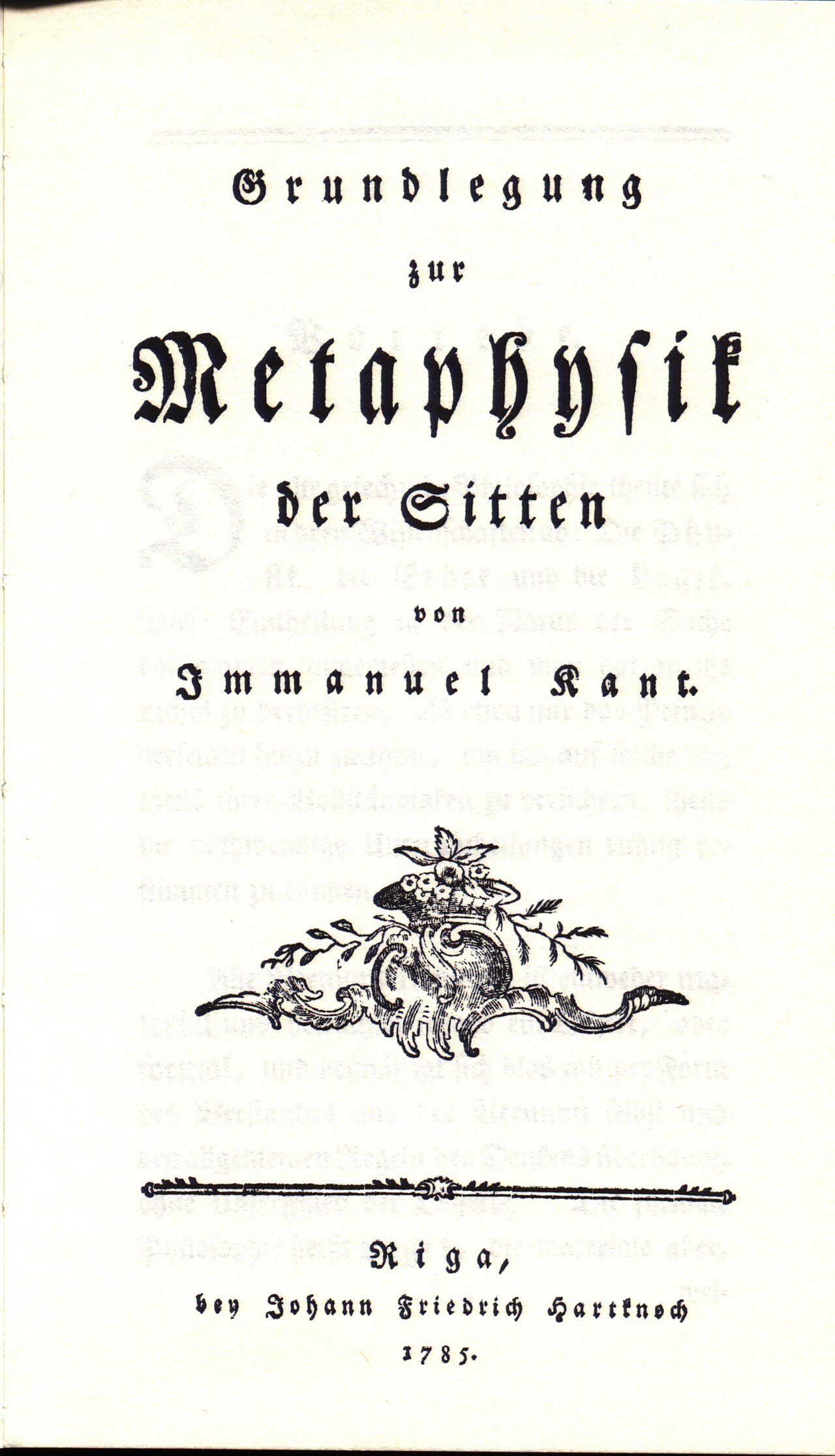
Groundwork of the Metaphysic of Morals
Immanuel Kant · 1785
 Book
Primary source
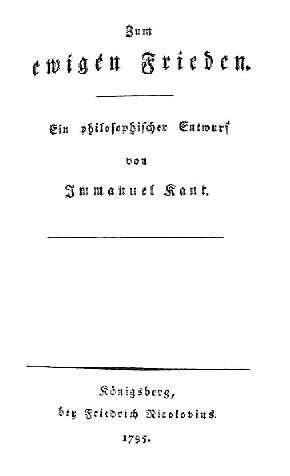
Perpetual Peace: A Philosophical Sketch
Immanuel Kant · 1795
 Book
Primary source
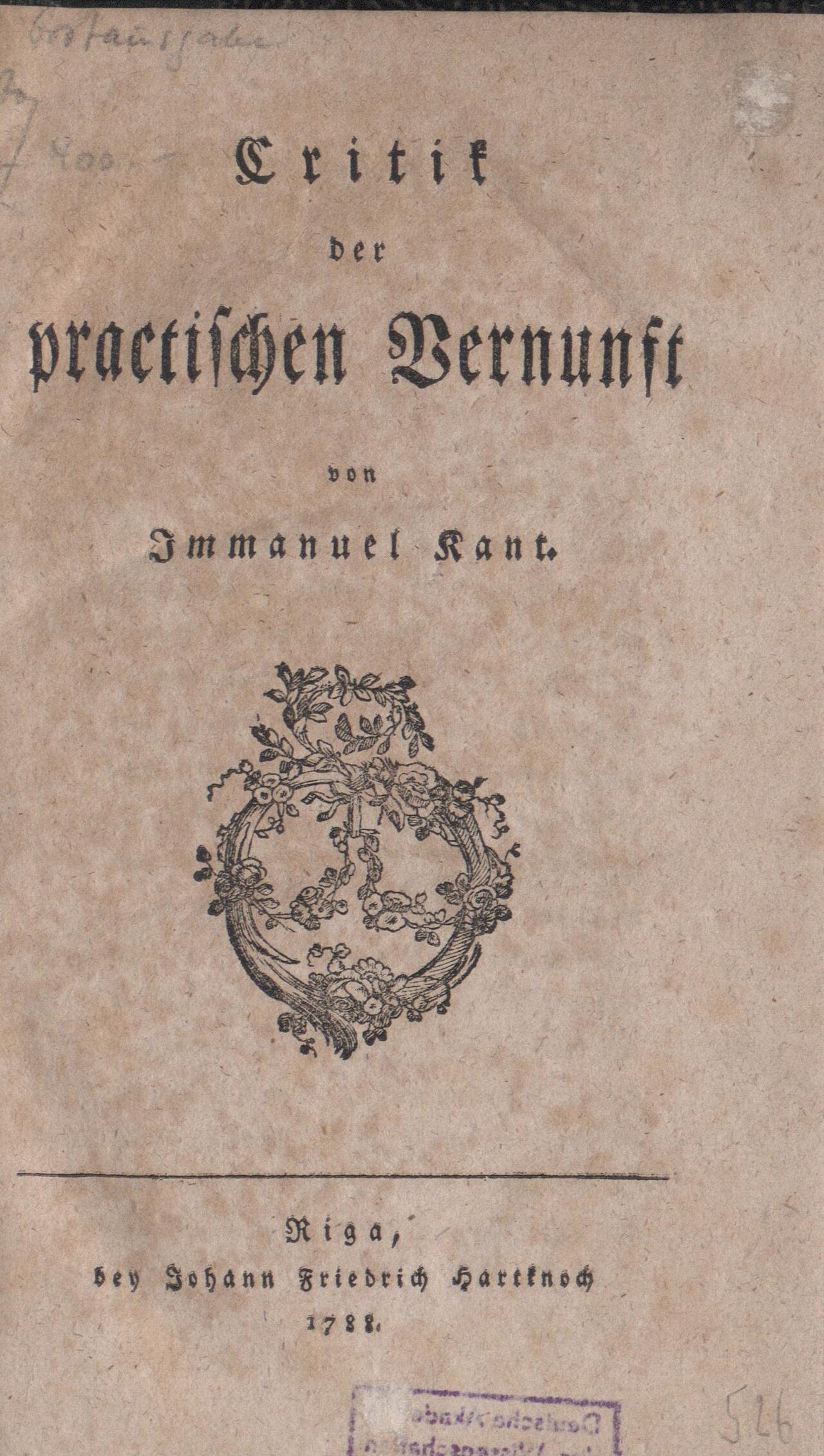
Critique of Practical Reason
Immanuel Kant · 1788 (completed 1787)
Ready when you are
Start chatting with Immanuel Kant now.
20 messages free · No credit card · Available in 50+ languages.