


Secondary sourceArtifact
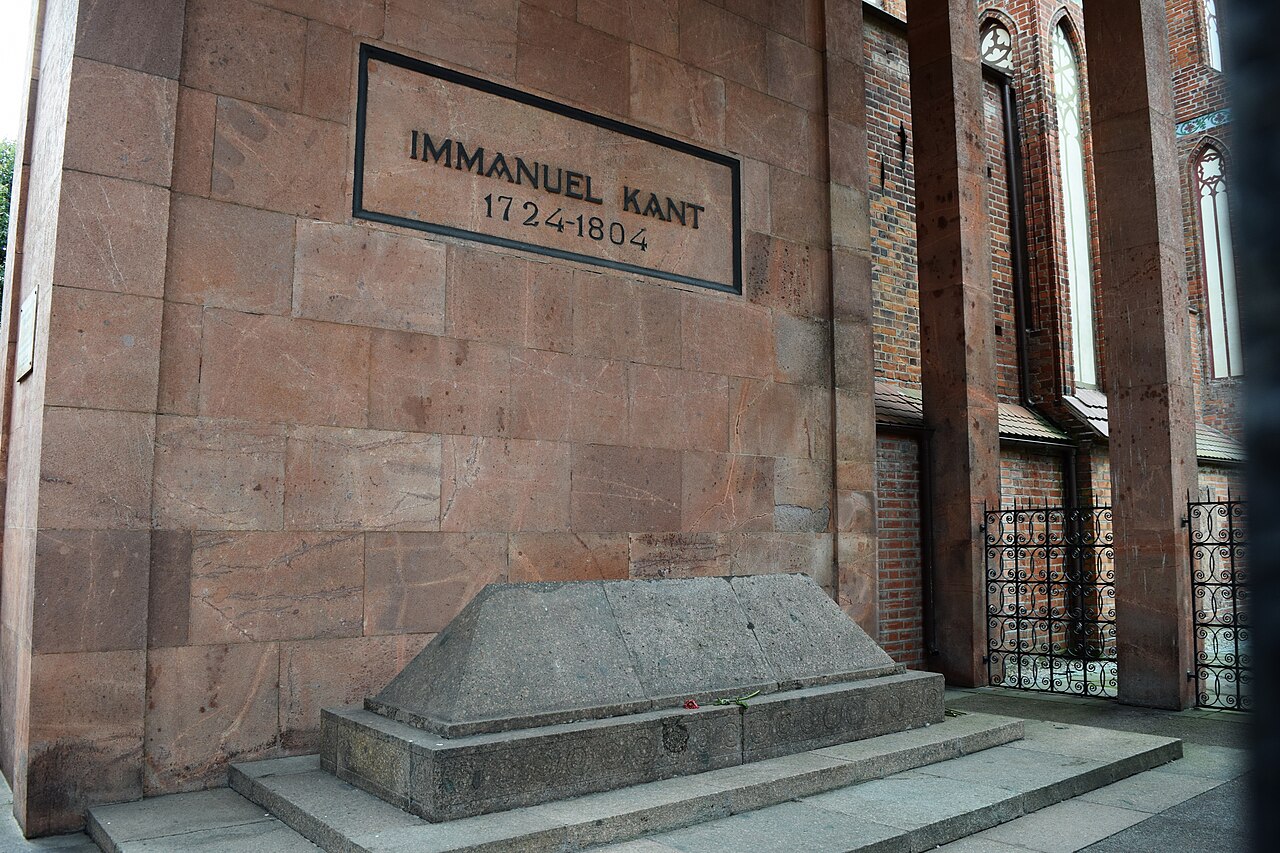
Grave of Immanuel Kant
Kant's burial place at Königsberg Cathedral, now located in the Russian city of Kaliningrad.
This is Kant's burial place, marking the end of his life in the city where he spent it.
About this source
What it is
This is the tomb of Immanuel Kant, a stone sarcophagus set at the foot of a wall beside Königsberg Cathedral, marked with a plaque giving his name and dates.
Why it matters
The grave sits in a city that has changed hands and names over time, from Königsberg in Prussia to present-day Kaliningrad in Russia. The survival of Kant's tomb through this upheaval shows how his memory outlasted the political world he lived in.
Look closer
- What does the plaque on the tomb tell visitors about Kant, and what does it leave out?
- Why might a city's changing history make a grave like this especially significant?
- How does visiting a grave differ from reading a person's writings as a way of learning about them?
This artifact is part of the curated material that grounds the AI version of Immanuel Kant on Humy.ai — when students ask about related events, the AI can quote it and cite it.
More Immanuel Kant sources
Meet the AI Immanuel Kant →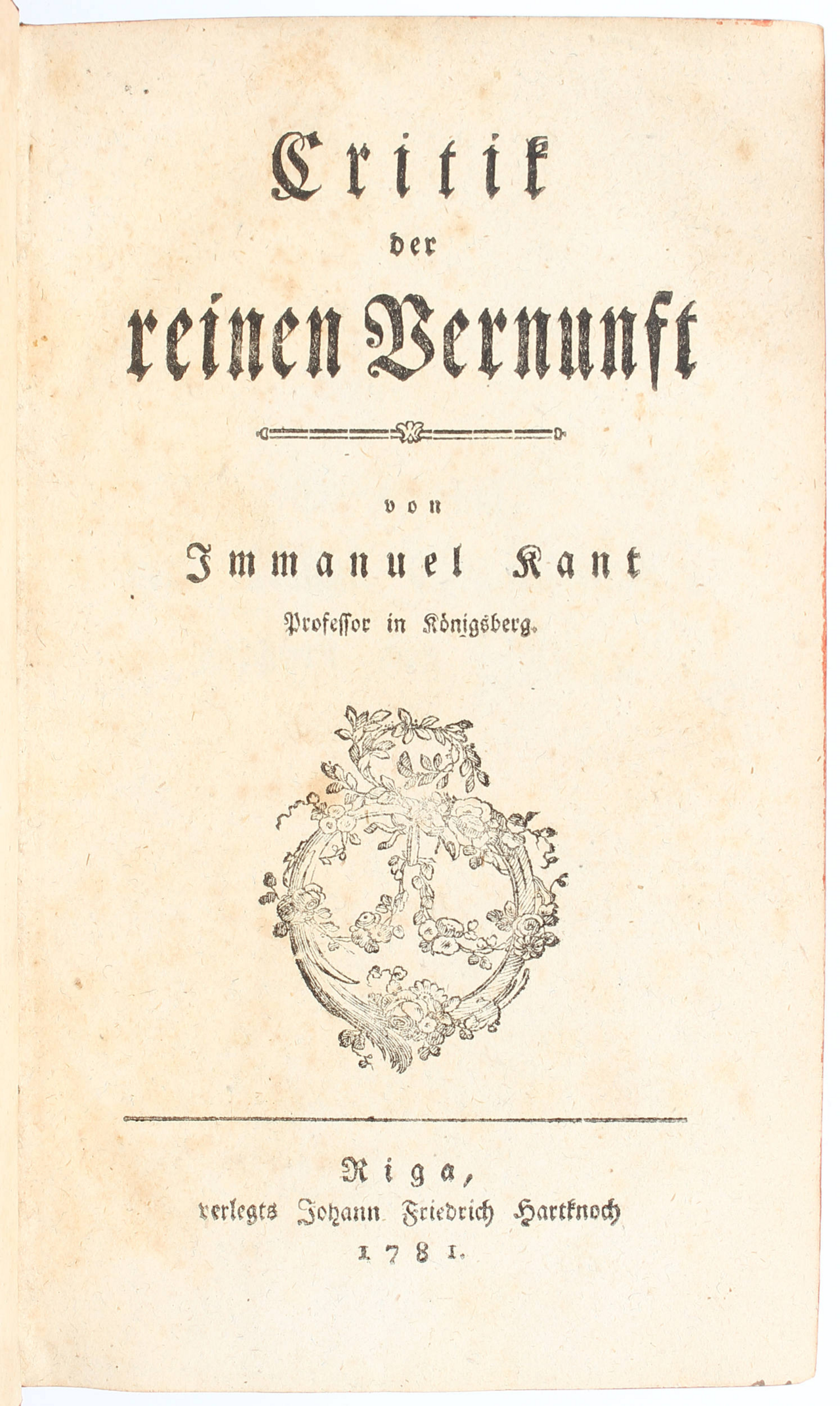 Book
Primary source
Critique of Pure Reason
Immanuel Kant · 1781 (revised 1787)
 Book
Primary source
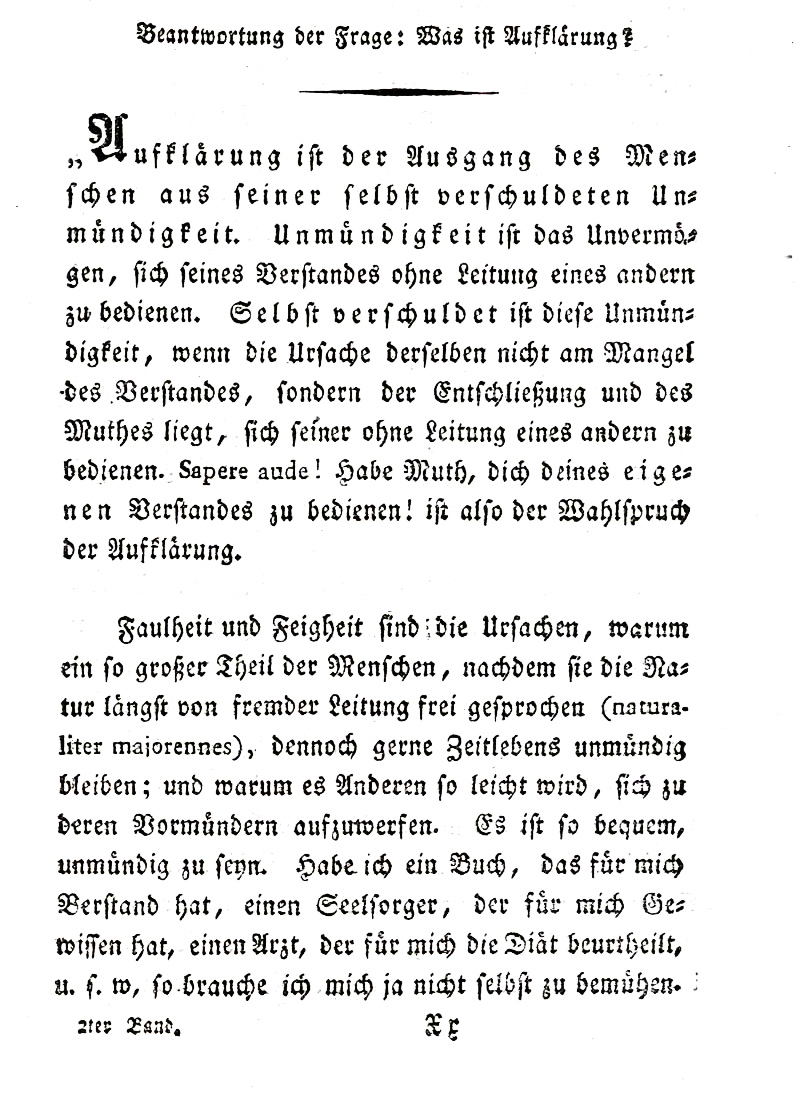
Answering the Question: What Is Enlightenment?
Immanuel Kant · 1784
 Book
Primary source
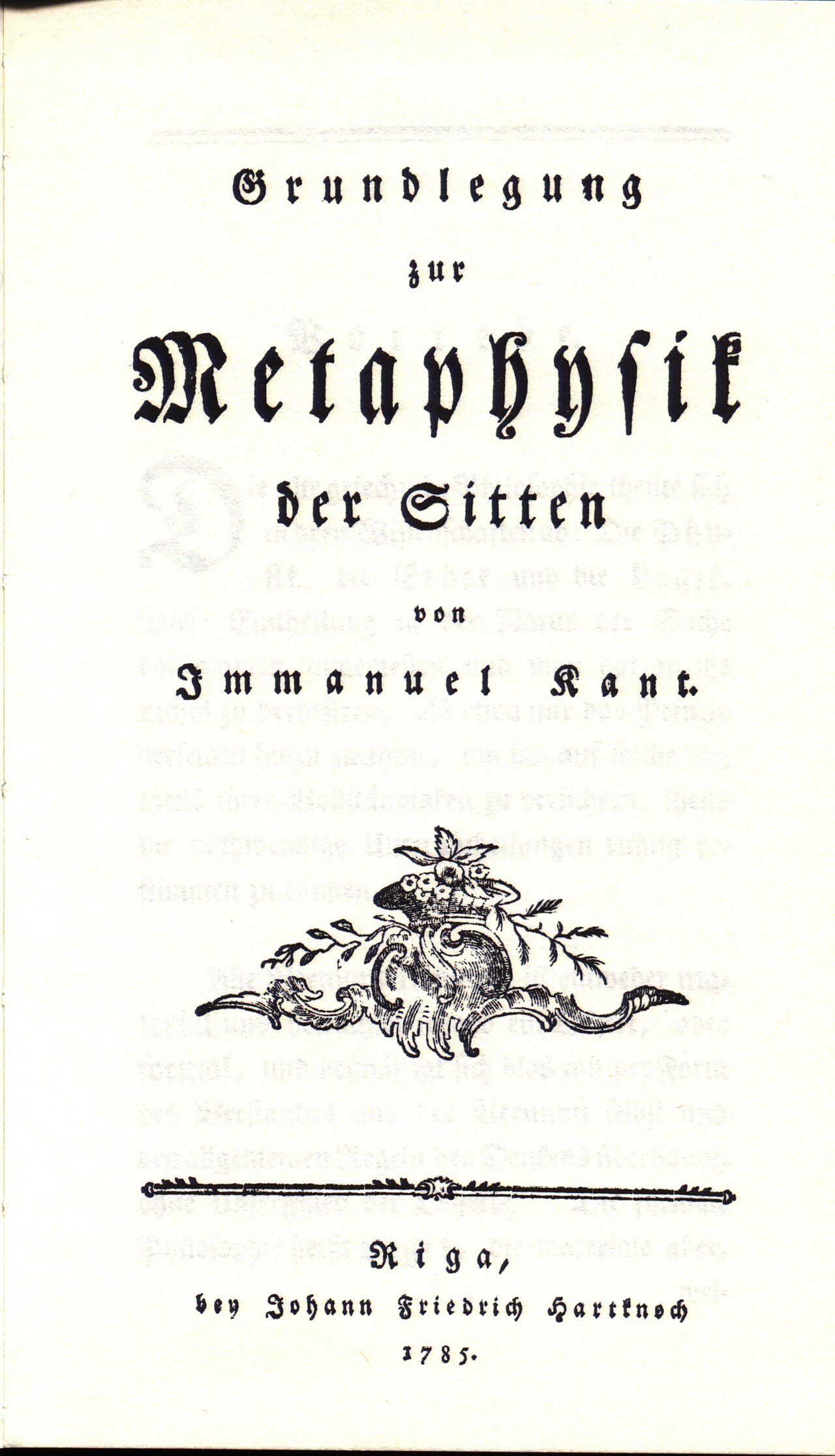
Groundwork of the Metaphysic of Morals
Immanuel Kant · 1785
 Book
Primary source
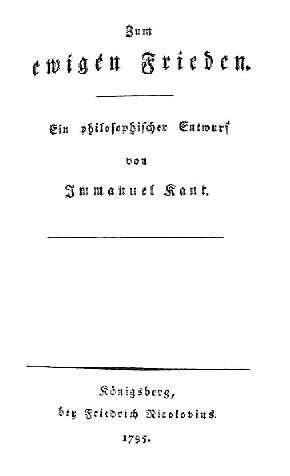
Perpetual Peace: A Philosophical Sketch
Immanuel Kant · 1795
 Book
Primary source
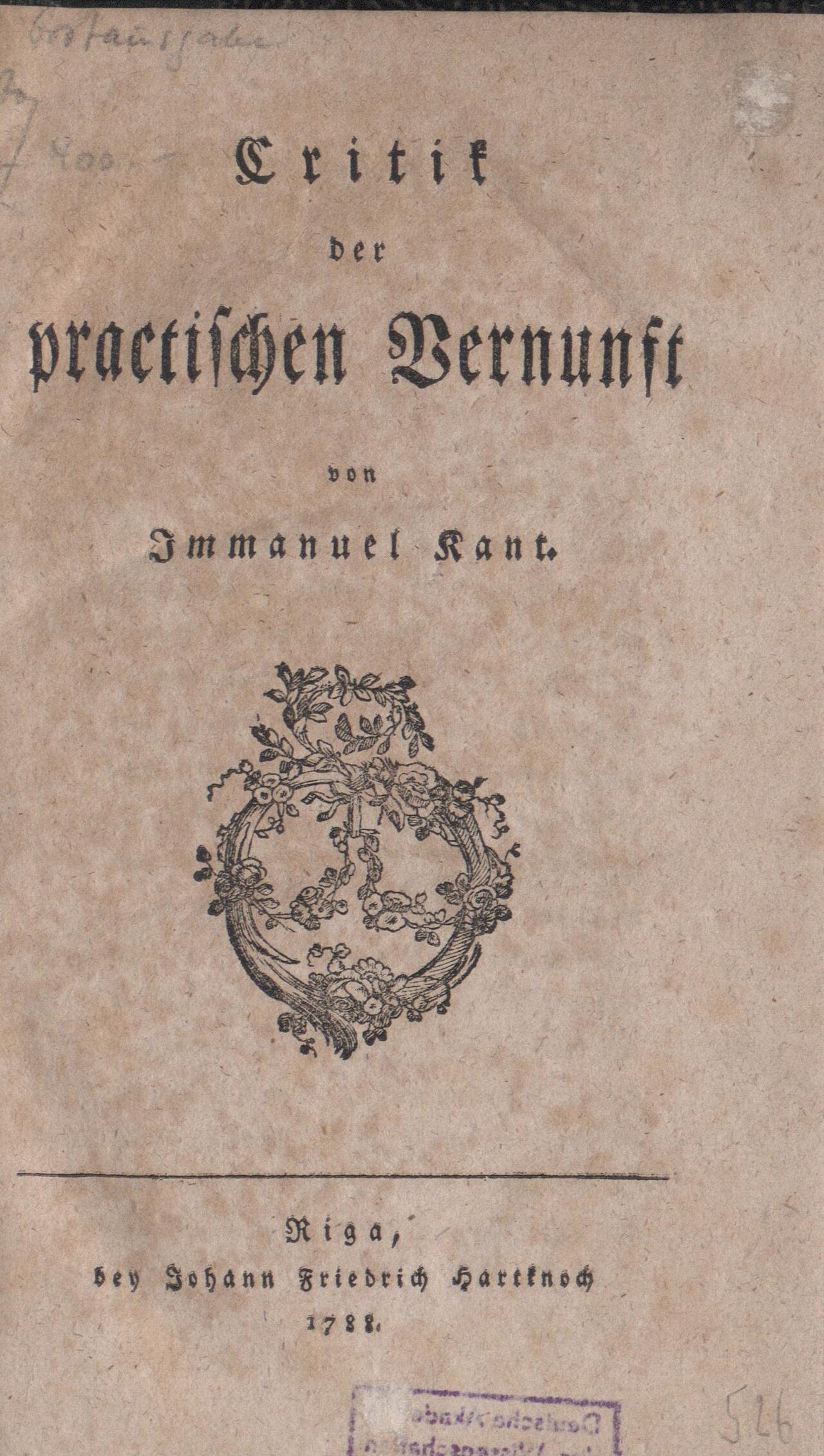
Critique of Practical Reason
Immanuel Kant · 1788 (completed 1787)
Ready when you are
Start chatting with Immanuel Kant now.
20 messages free · No credit card · Available in 50+ languages.