


Primary sourceBook1784
Idea for a Universal History with a Cosmopolitan Purpose
Immanuel Kant · 1784
Kant's 1784 essay arguing that human history, despite appearing chaotic, is slowly progressing toward a cosmopolitan, rational order.
Kant's own essay laying out his philosophy of history and vision of cosmopolitan progress.
About this source
What it is
This essay was written by Immanuel Kant and published in the Berlinische Monatsschrift in December 1784, while Kant was a lecturer in anthropology and geography at Königsberg University. It appeared between his major works, the Critique of Pure Reason (1781) and the Critique of Practical Reason (1788).
Why it matters
Through nine propositions, Kant argues that human history follows a hidden pattern leading toward moral and political progress, culminating in a cosmopolitan order among nations. The essay sparked controversy because it criticised the philosopher Johann Gottfried Herder's rival view of history. It also ranked contemporary European societies as more advanced than others, reflecting the Eurocentric assumptions common in Kant's era.
Look closer
- Why might Kant have believed history was moving toward a single, better end-state?
- How does Kant's ranking of societies reflect the biases of his time?
- What problems might arise from writing 'universal' history from one perspective?
This book is part of the curated material that grounds the AI version of Immanuel Kant on Humy.ai — when students ask about related events, the AI can quote it and cite it.
More Immanuel Kant sources
Meet the AI Immanuel Kant →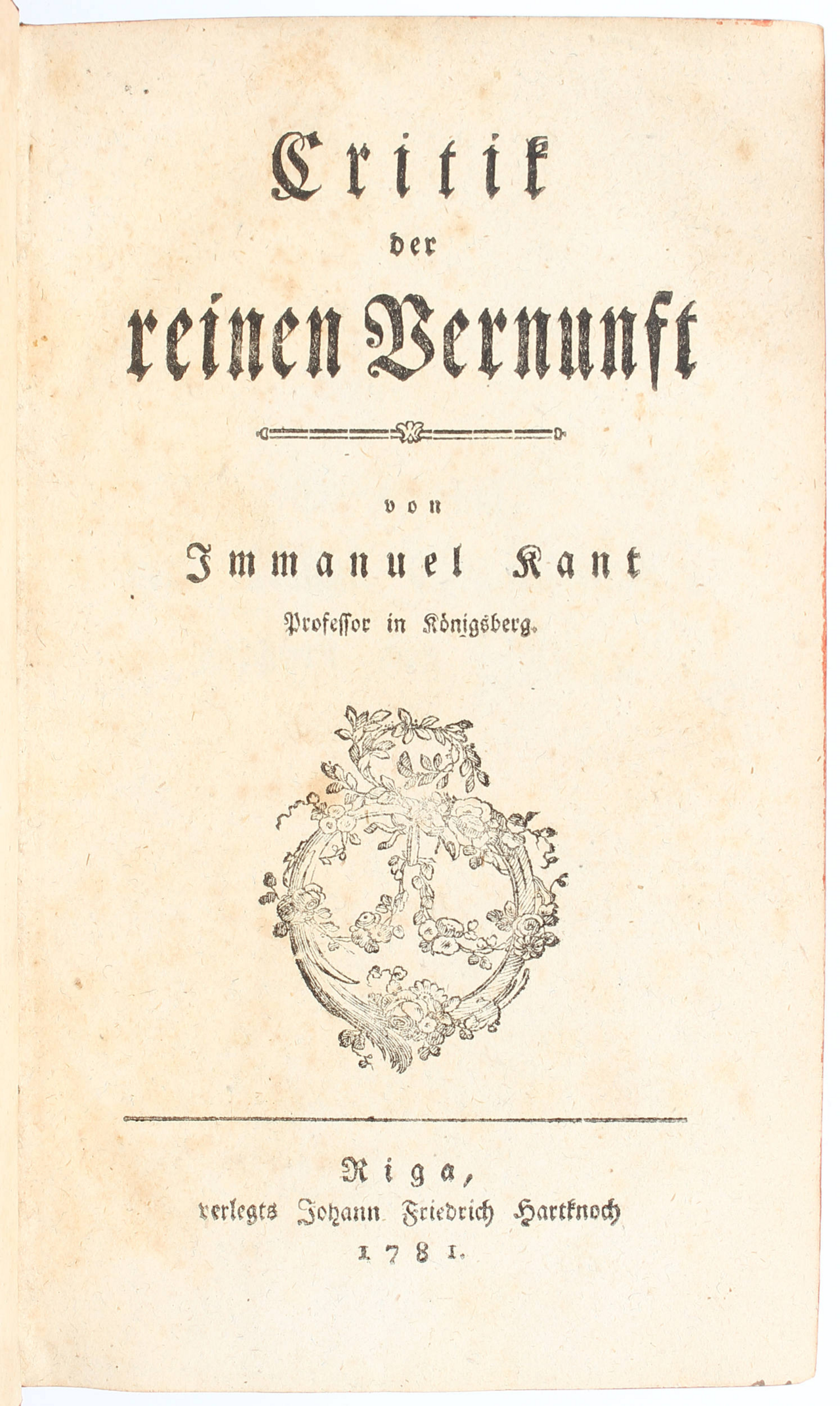 Book
Primary source
Critique of Pure Reason
Immanuel Kant · 1781 (revised 1787)
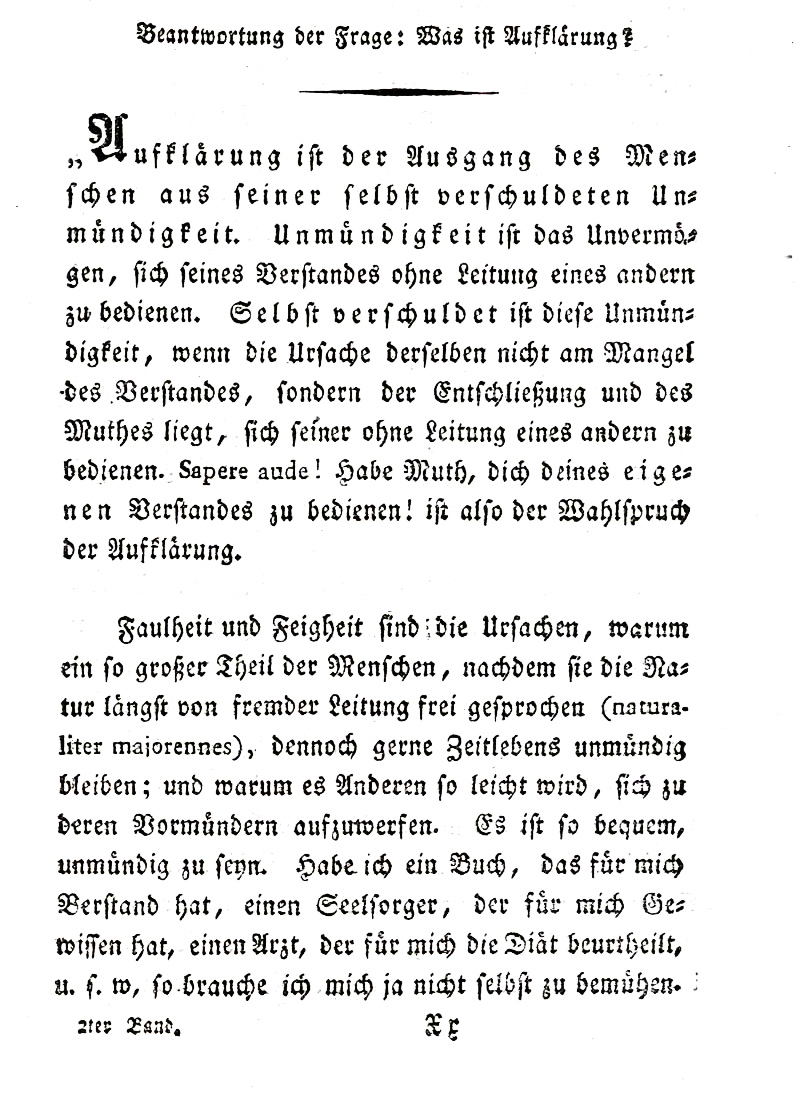 Book
Primary source
Answering the Question: What Is Enlightenment?
Immanuel Kant · 1784
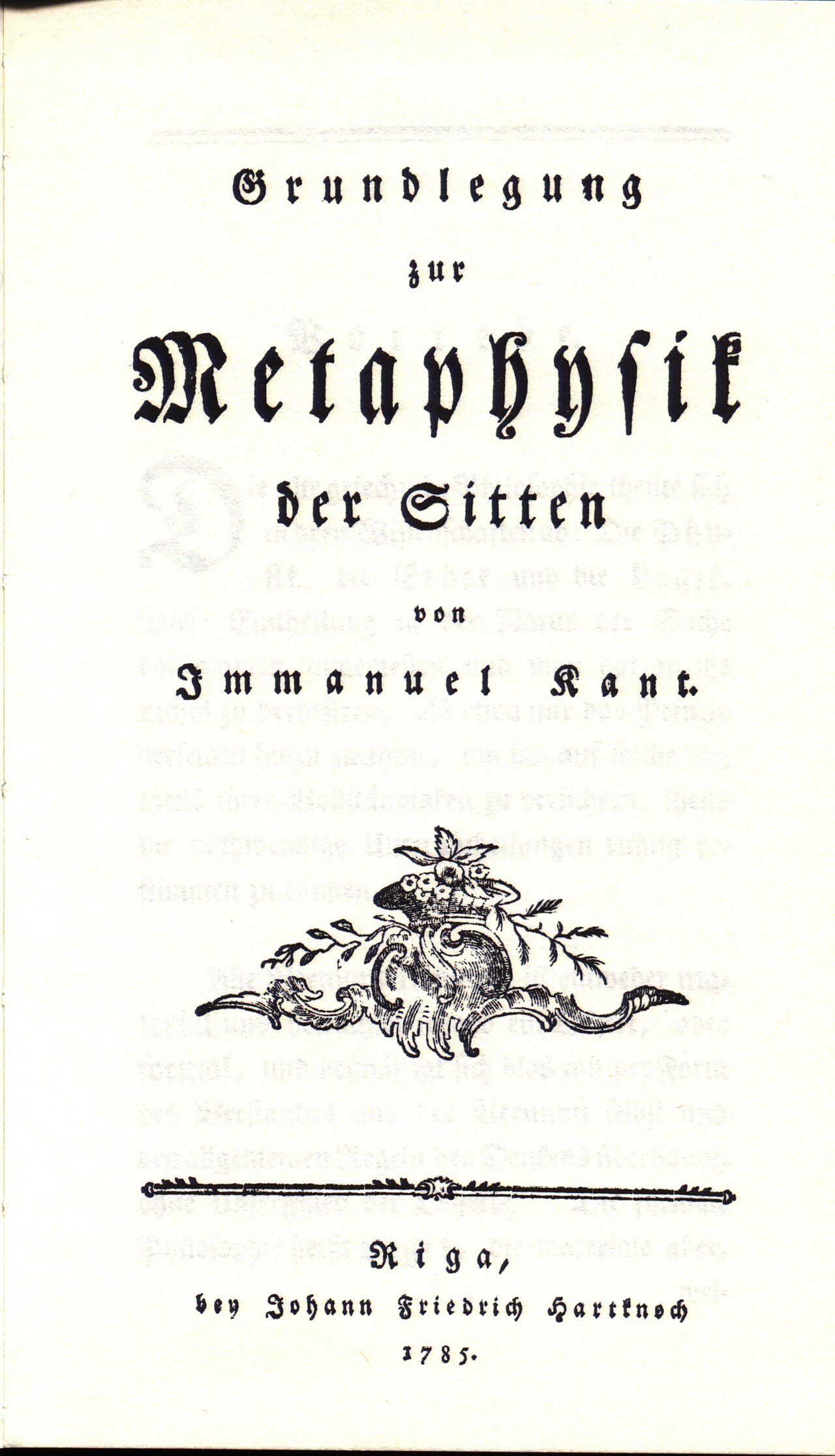 Book
Primary source
Groundwork of the Metaphysic of Morals
Immanuel Kant · 1785
 Book
Primary source
Perpetual Peace: A Philosophical Sketch
Immanuel Kant · 1795
 Book
Primary source
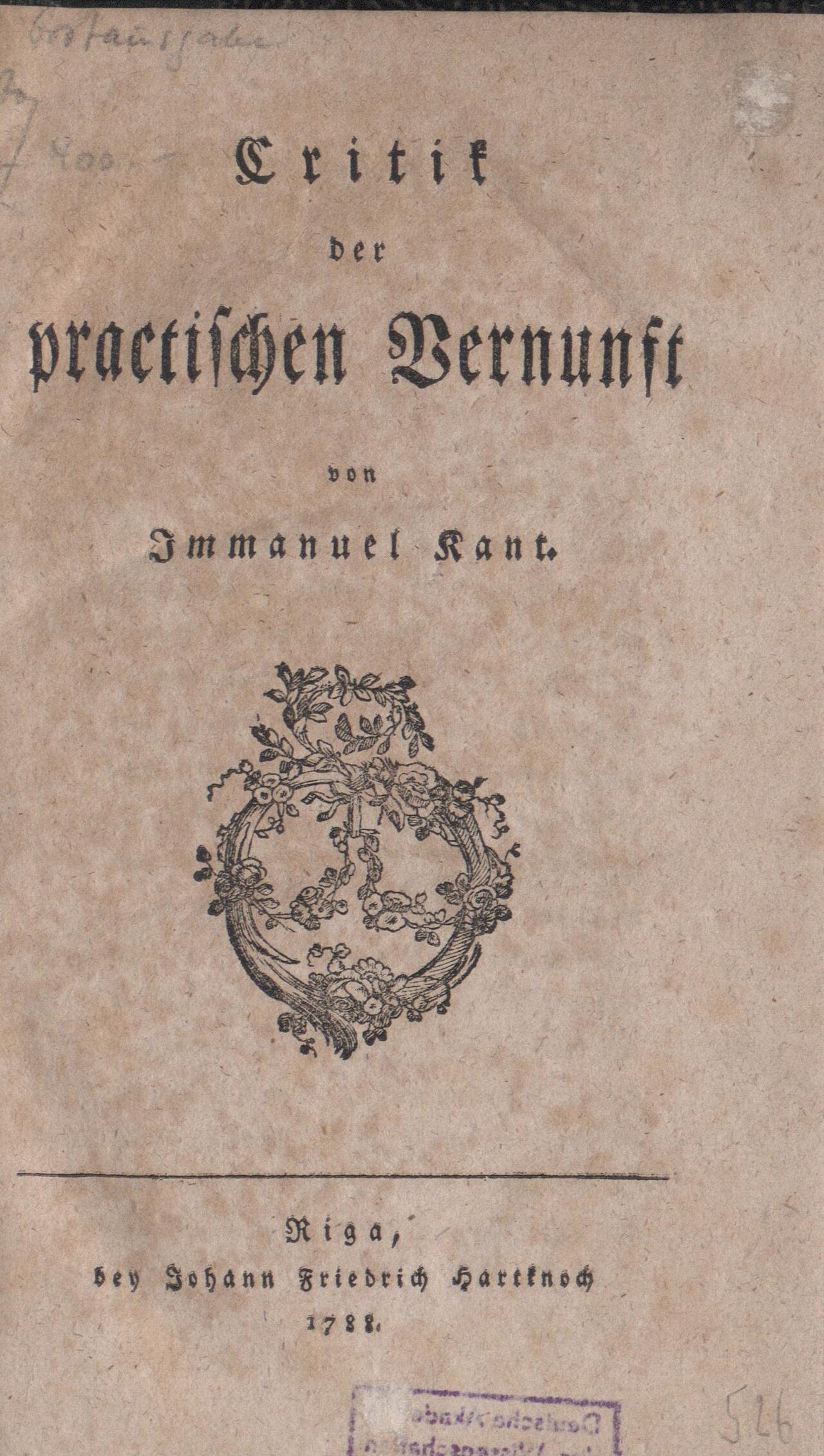
Critique of Practical Reason
Immanuel Kant · 1788 (completed 1787)
Ready when you are
Start chatting with Immanuel Kant now.
20 messages free · No credit card · Available in 50+ languages.