


Secondary sourcePainting1812
Immanuel Kant
John Chapman · 1812
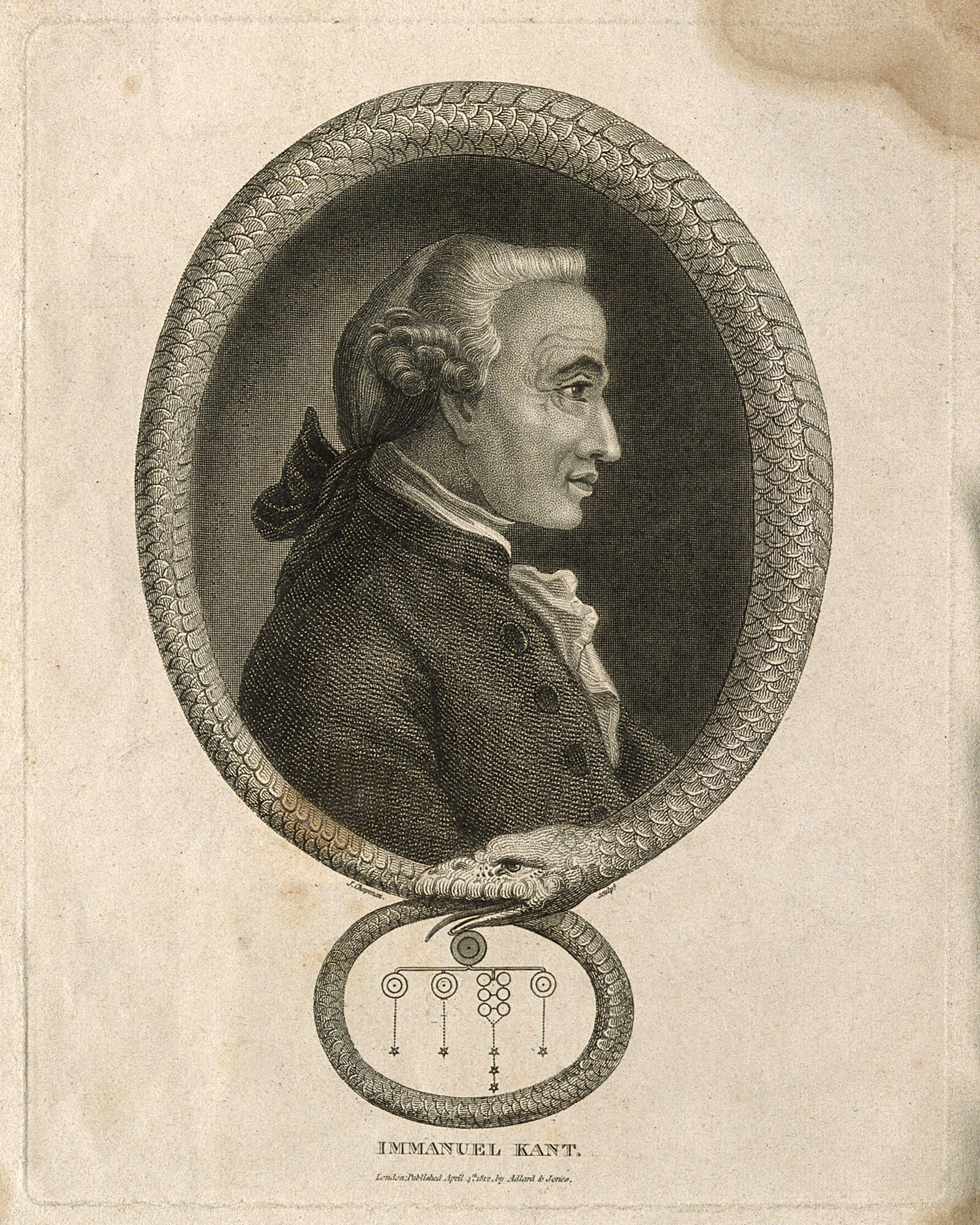
A stipple engraving of Immanuel Kant made by John Chapman in 1812, eight years after the philosopher's death. It shows him in profile, framed by a snake biting its own tail.
Shows how Kant was portrayed in print after his death, so it reflects later reputation rather than his own appearance.
About this source
What it is
This is a stipple engraving, a print made by pressing dots of ink into a copper plate, showing Kant in profile facing right. He has powdered hair tied back and wears a dark coat and white cravat. The oval portrait is framed by a snake biting its own tail, and below it is a small diagram of circles and stars with the caption IMMANUEL KANT and the publication line London 1812. The print was made by John Chapman and is held by the Wellcome Collection in London.
Why it matters
Kant died in 1804, so this image was made eight years later and is not a likeness drawn from life. Portraits like this one shaped how readers in Britain pictured the philosopher whose ideas on reason and morality were widely discussed. The snake biting its tail is an old symbol of eternity, and its use here shows how the image was styled for a reading public.
Look closer
- What does the snake frame suggest about how the engraver wanted Kant to be seen?
- Why might a print made eight years after a death look different from a portrait made from life?
- What does this image leave out about Kant's own life and work?
This painting is part of the curated material that grounds the AI version of Immanuel Kant on Humy.ai — when students ask about related events, the AI can quote it and cite it.
More Immanuel Kant sources
Meet the AI Immanuel Kant →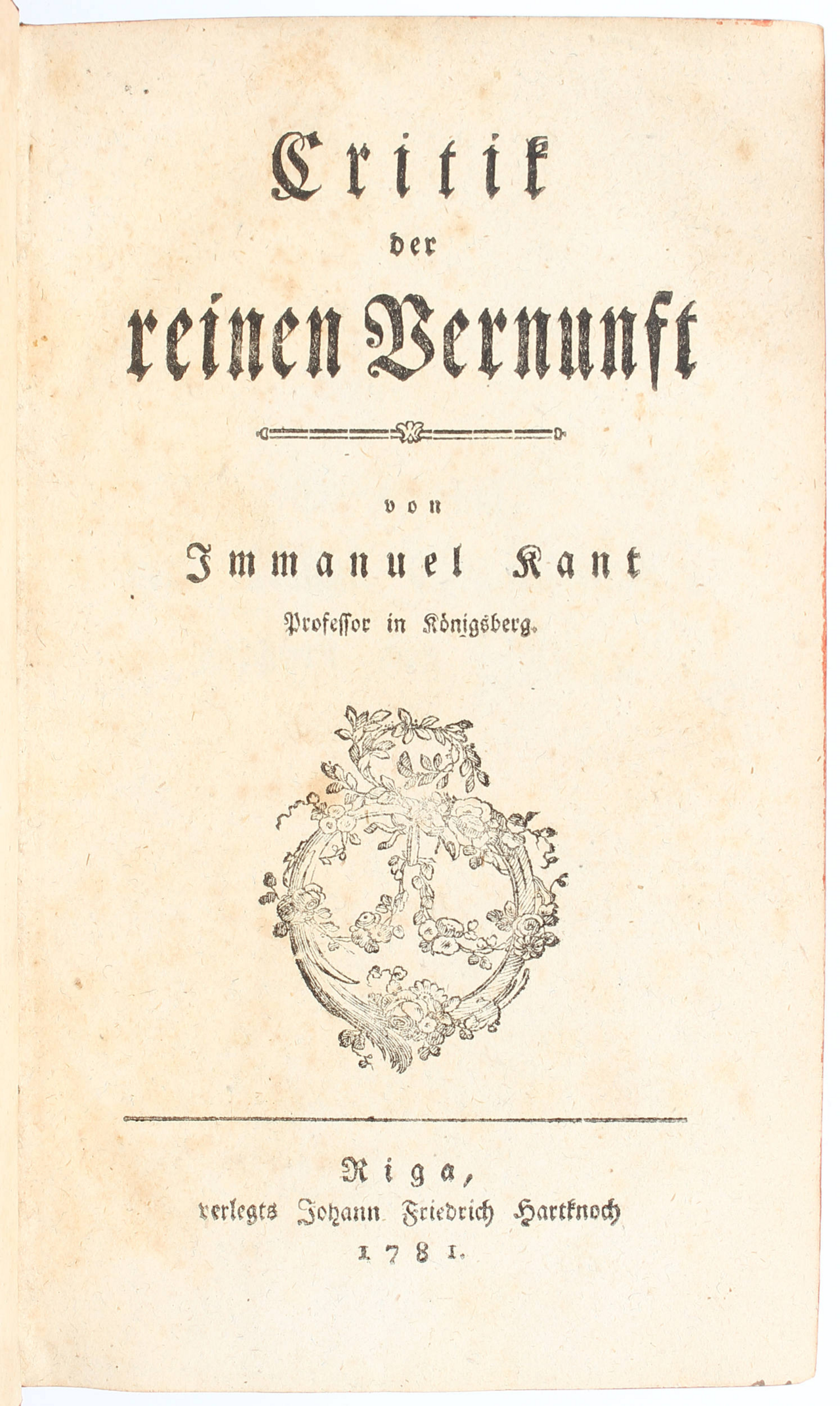 Book
Primary source
Critique of Pure Reason
Immanuel Kant · 1781 (revised 1787)
 Book
Primary source
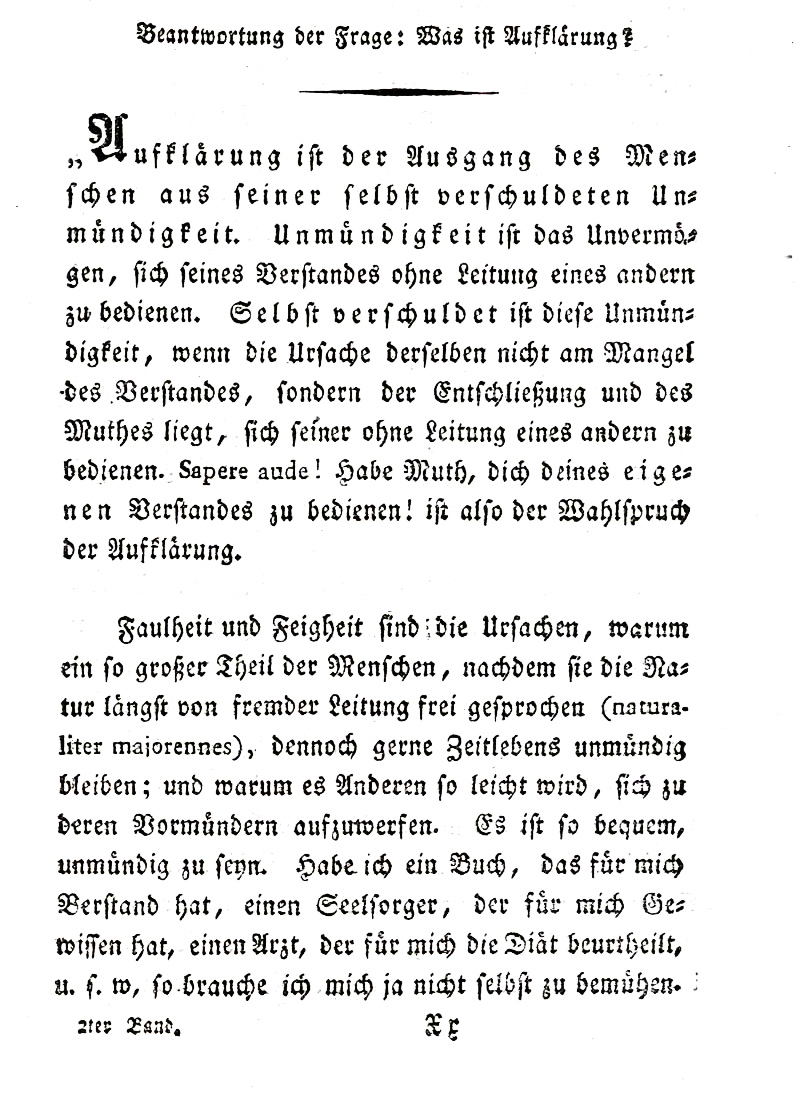
Answering the Question: What Is Enlightenment?
Immanuel Kant · 1784
 Book
Primary source
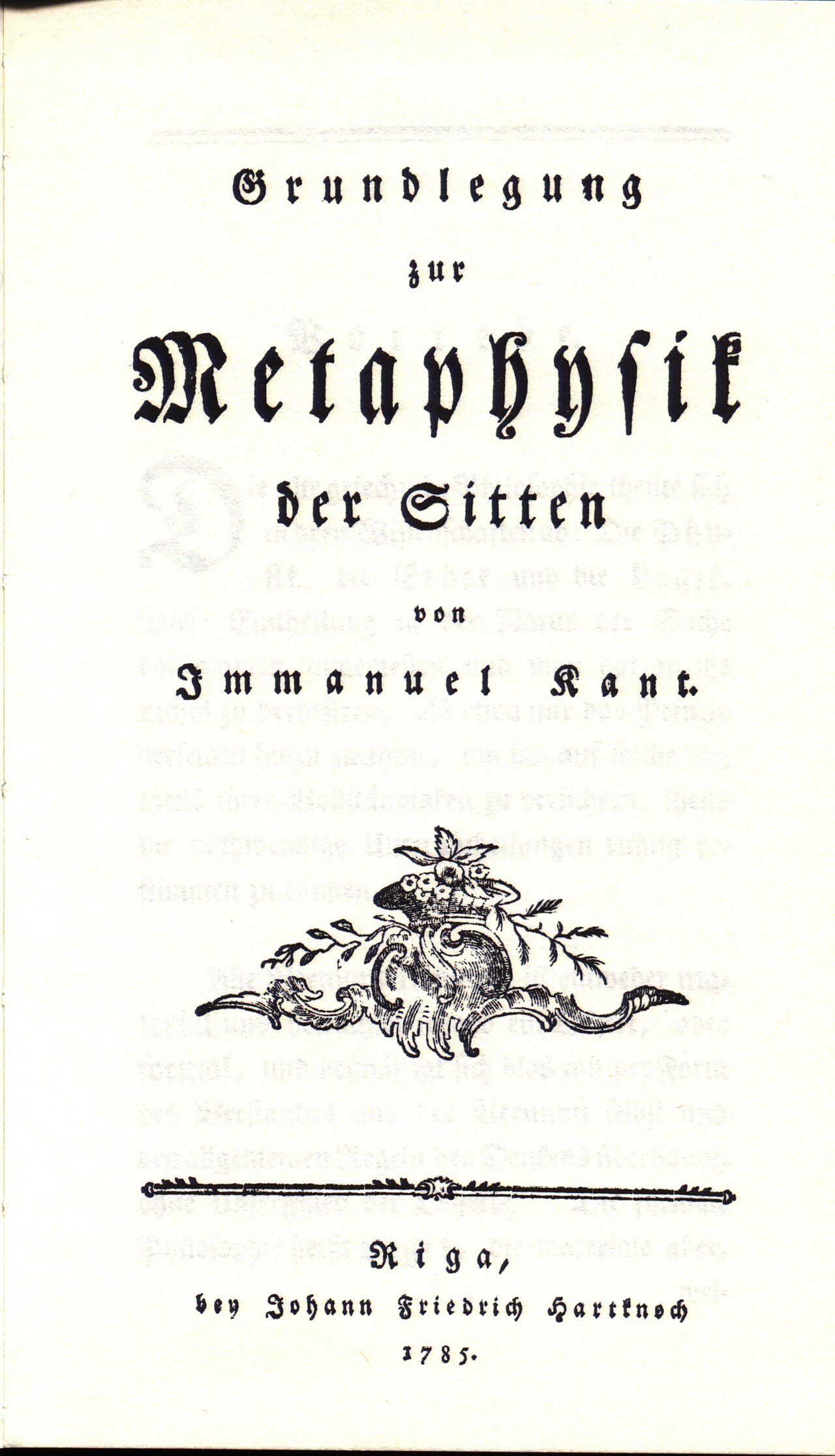
Groundwork of the Metaphysic of Morals
Immanuel Kant · 1785
 Book
Primary source
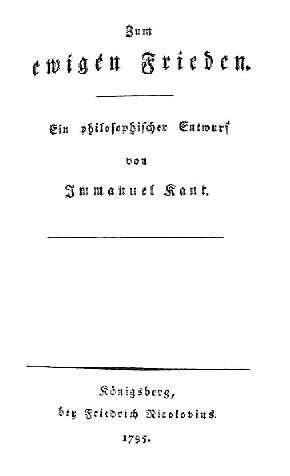
Perpetual Peace: A Philosophical Sketch
Immanuel Kant · 1795
 Book
Primary source
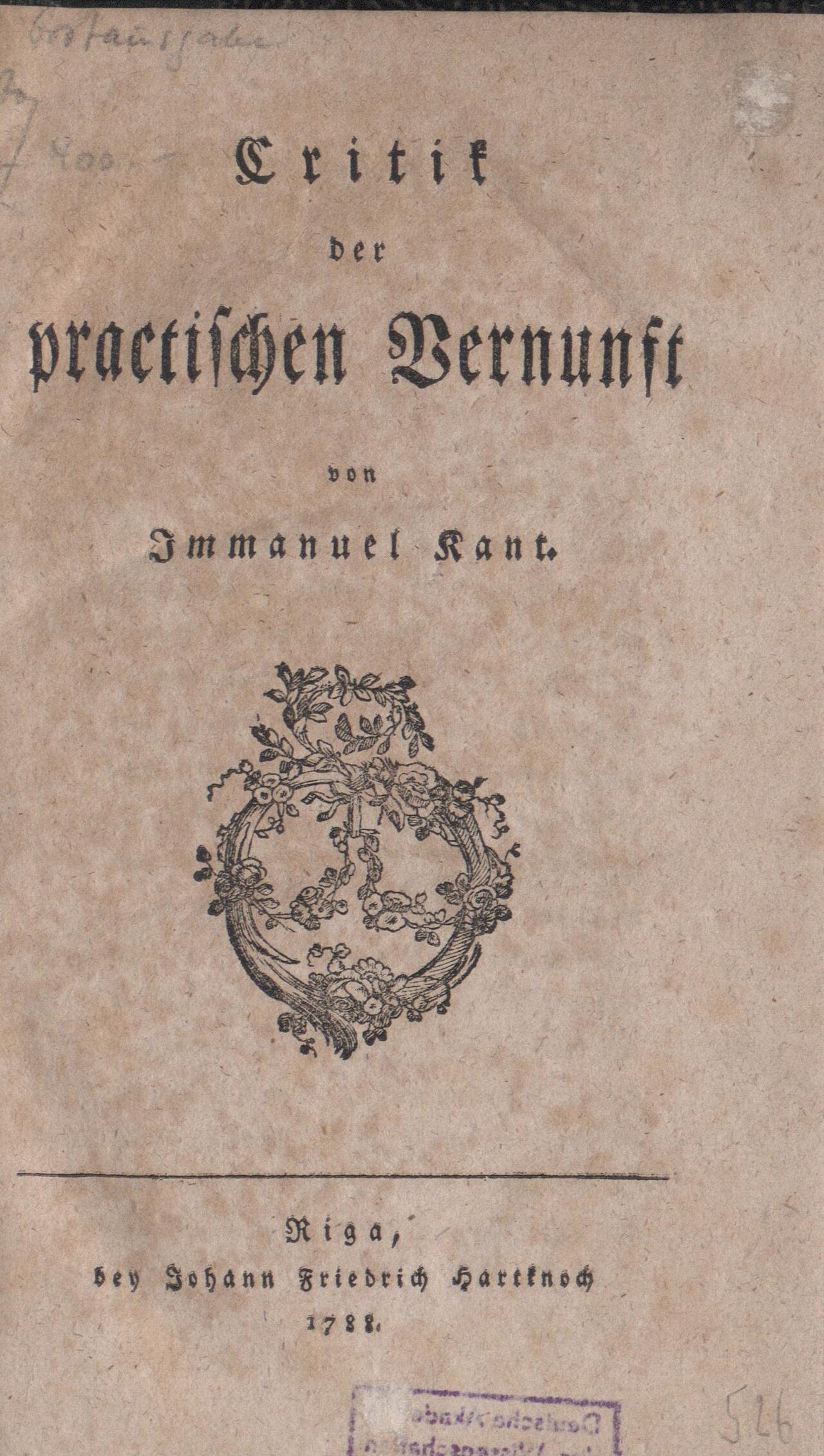
Critique of Practical Reason
Immanuel Kant · 1788 (completed 1787)
Ready when you are
Start chatting with Immanuel Kant now.
20 messages free · No credit card · Available in 50+ languages.