


Primary sourceArtifact1793
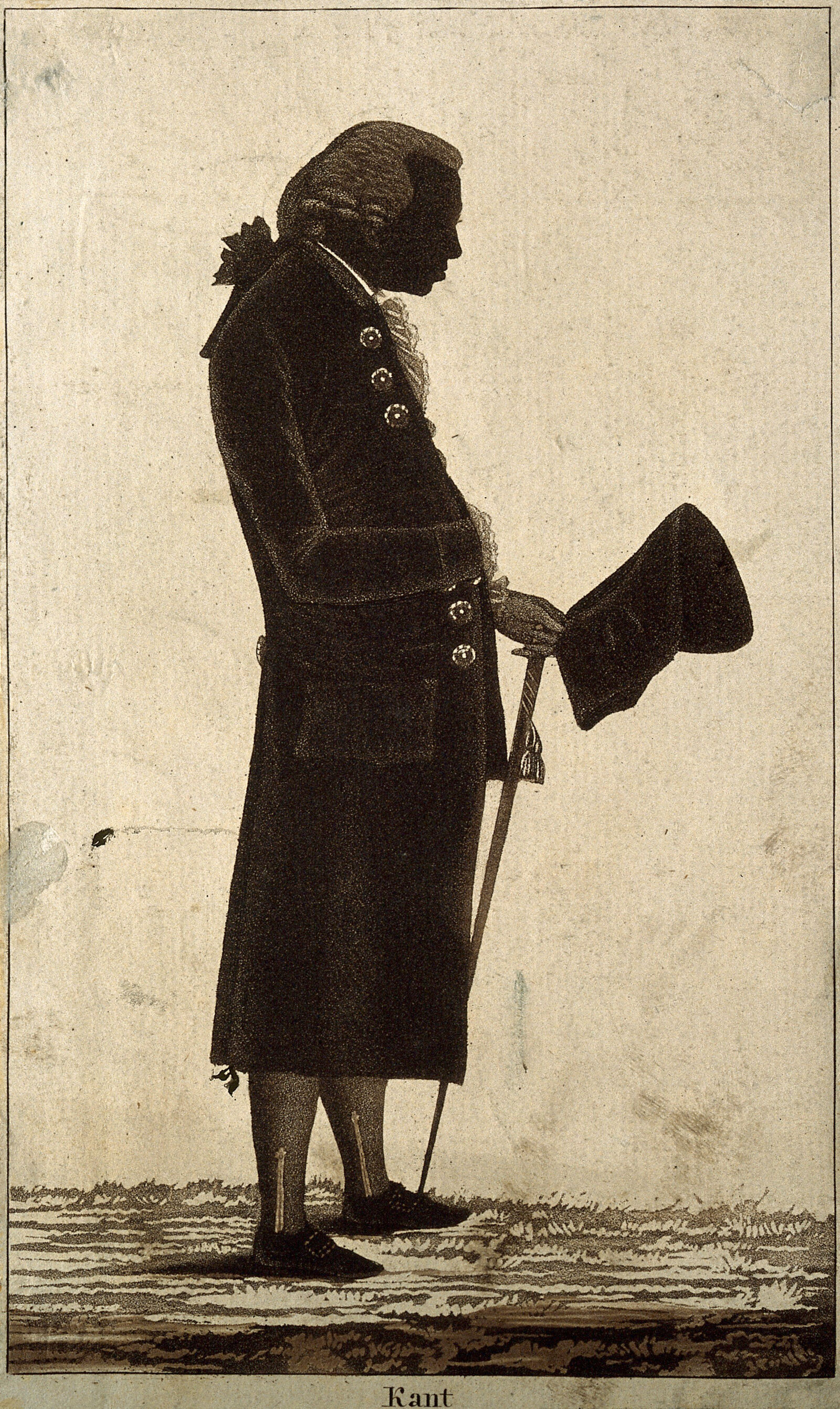
Immanuel Kant, Aquatint Silhouette by Puttrich
Johann Theodor Puttrich · 1793
A sepia silhouette portrait of Kant made during his lifetime, showing him in profile wearing a coat, cravat and wig.
This silhouette, made during Kant's lifetime, is a primary visual record of his appearance.
About this source
What it is
This is an aquatint silhouette portrait made in 1793 by Johann Theodor Puttrich. It shows a standing man in profile, identified by a caption as Kant, wearing a long dark coat, a frilled cravat and a wig, and holding a tricorn hat and a sword. It is held today by the Wellcome Collection in London.
Why it matters
Because it was made while Kant was alive, it is a primary visual record of how he looked and dressed to his contemporaries. Silhouette portraits were a popular and affordable way to capture a likeness before photography existed, and this one helps students connect the philosopher's ideas to a real person of his time.
Look closer
- What does the clothing and pose tell you about how Kant wanted to be seen, or how the artist saw him?
- Why might an artist choose a silhouette rather than a detailed painting?
- What can't you learn about a person from a silhouette alone?
This artifact is part of the curated material that grounds the AI version of Immanuel Kant on Humy.ai — when students ask about related events, the AI can quote it and cite it.
More Immanuel Kant sources
Meet the AI Immanuel Kant →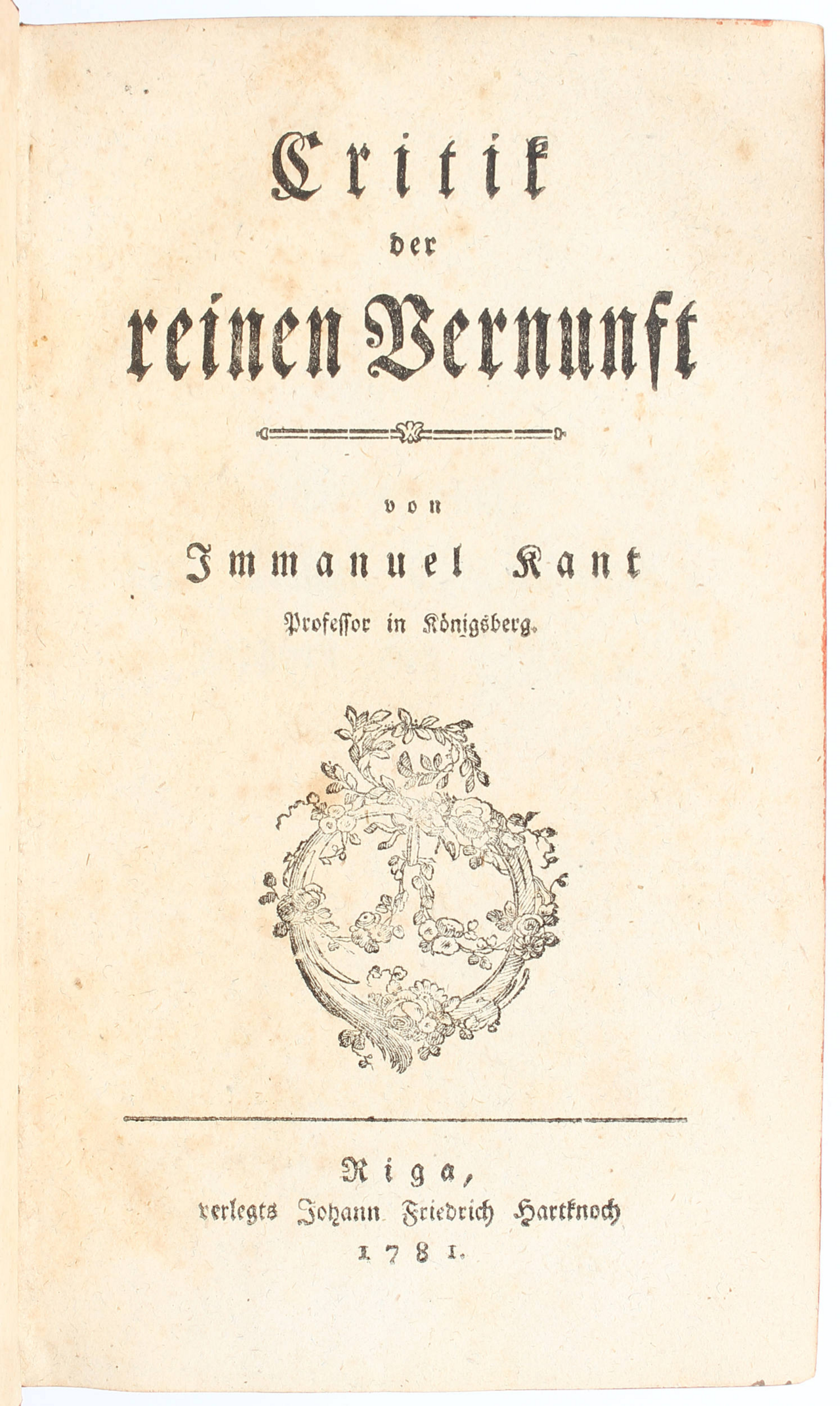 Book
Primary source
Critique of Pure Reason
Immanuel Kant · 1781 (revised 1787)
 Book
Primary source
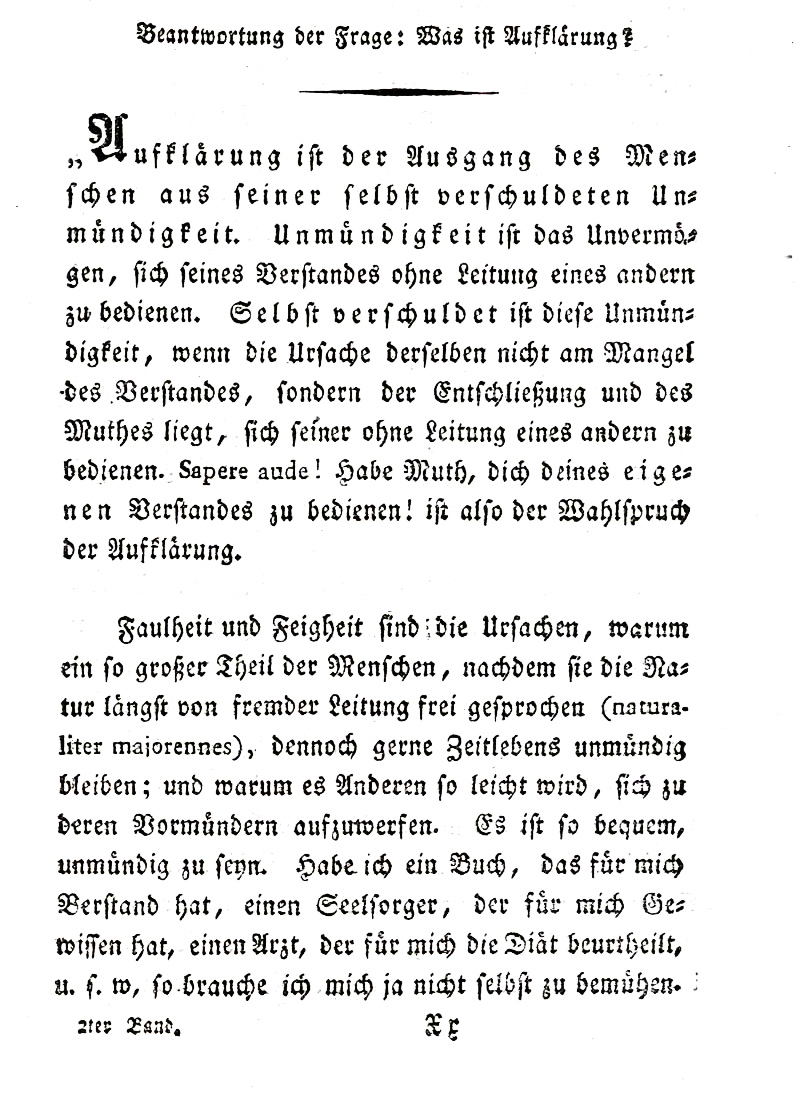
Answering the Question: What Is Enlightenment?
Immanuel Kant · 1784
 Book
Primary source
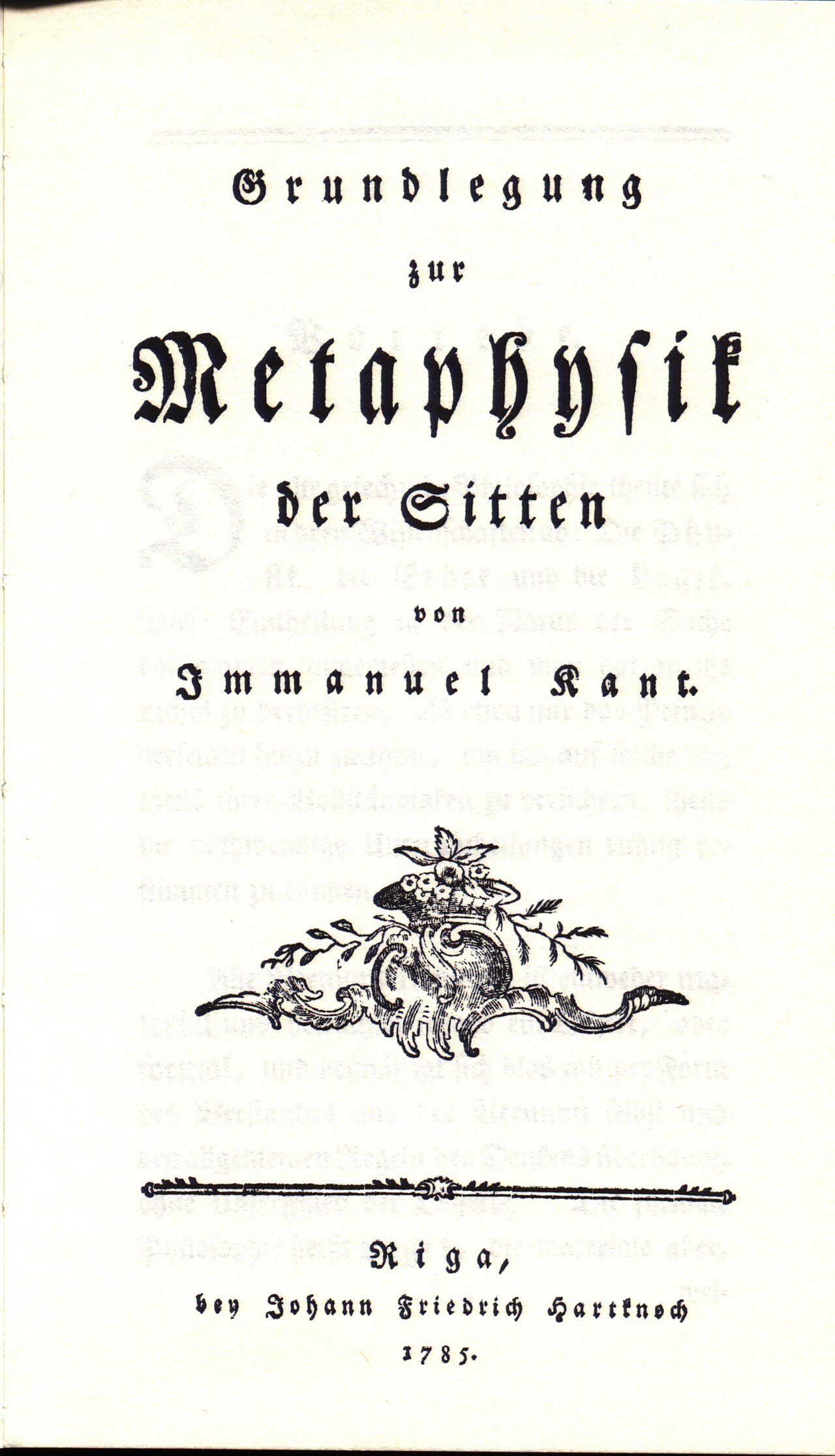
Groundwork of the Metaphysic of Morals
Immanuel Kant · 1785
 Book
Primary source
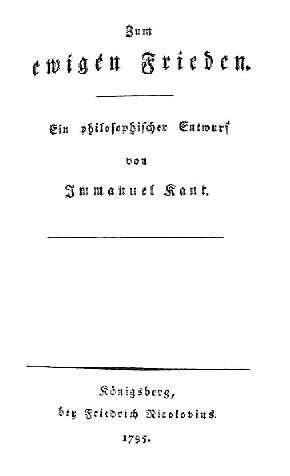
Perpetual Peace: A Philosophical Sketch
Immanuel Kant · 1795
 Book
Primary source
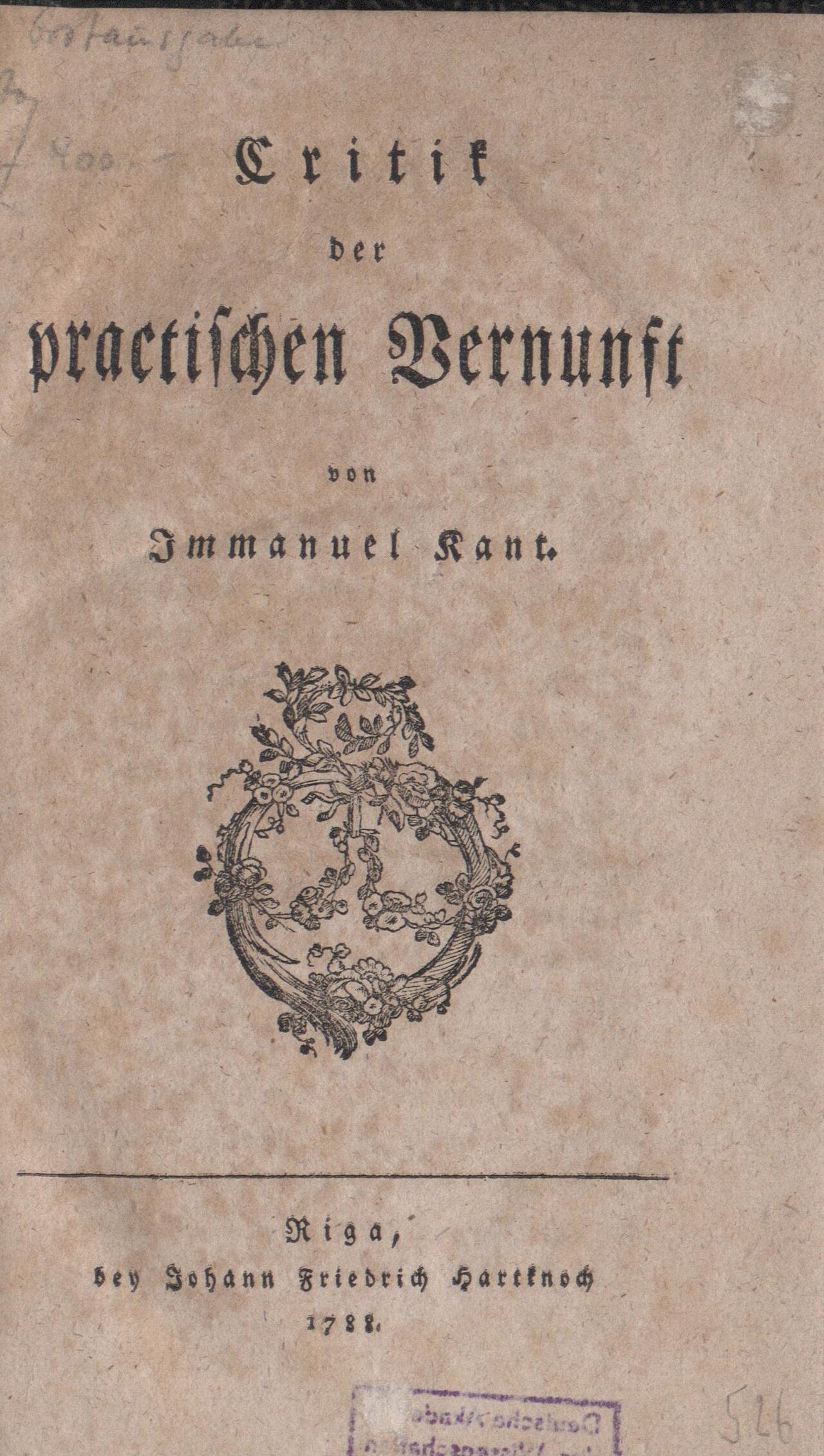
Critique of Practical Reason
Immanuel Kant · 1788 (completed 1787)
Ready when you are
Start chatting with Immanuel Kant now.
20 messages free · No credit card · Available in 50+ languages.