


Primary sourceBook1513/1518
Julius Exclusus e coelis
Erasmus · 1513/1518
A satirical Latin dialogue by Erasmus imagining Pope Julius II barred from heaven, mocking corrupt church leadership.
This satire shows Erasmus's willingness to criticize even a pope, revealing his sharp humanist wit.
About this source
What it is
This is a Latin satirical dialogue traditionally attributed to Erasmus, written around 1513 and printed later. It imagines Pope Julius II arriving at the gates of heaven after his death and being refused entry by Saint Peter, despite his worldly power and military victories.
Why it matters
The dialogue is a sharp criticism of a pope who spent his reign on war and politics rather than spiritual leadership. It shows the critical, sometimes risky side of Erasmus's humanism, as he used wit and satire to challenge church corruption at the highest levels.
Look closer
- Why might a writer like Erasmus choose humor and dialogue instead of direct criticism to attack a pope?
- What does the imagined scene at heaven's gate suggest about what Erasmus believed mattered more than earthly power?
- Why might this text have been published without the author's name openly attached?
This book is part of the curated material that grounds the AI version of Desiderius Erasmus on Humy.ai — when students ask about related events, the AI can quote it and cite it.
More Desiderius Erasmus sources
Meet the AI Desiderius Erasmus →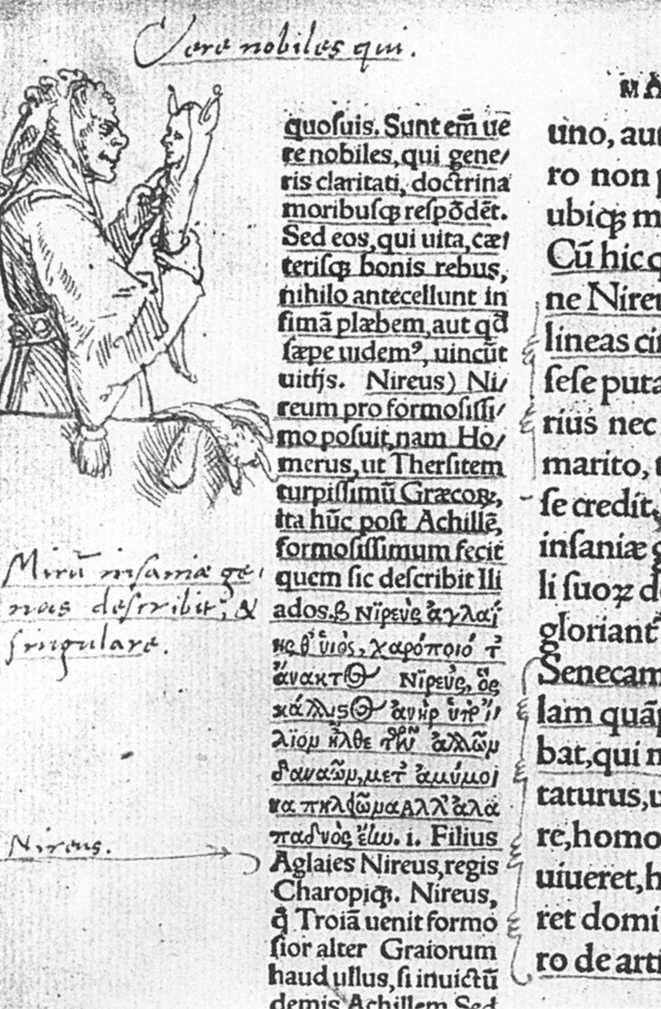 Book
Primary source
In Praise of Folly
Erasmus · 1511 (written 1509)
 Book
Primary source
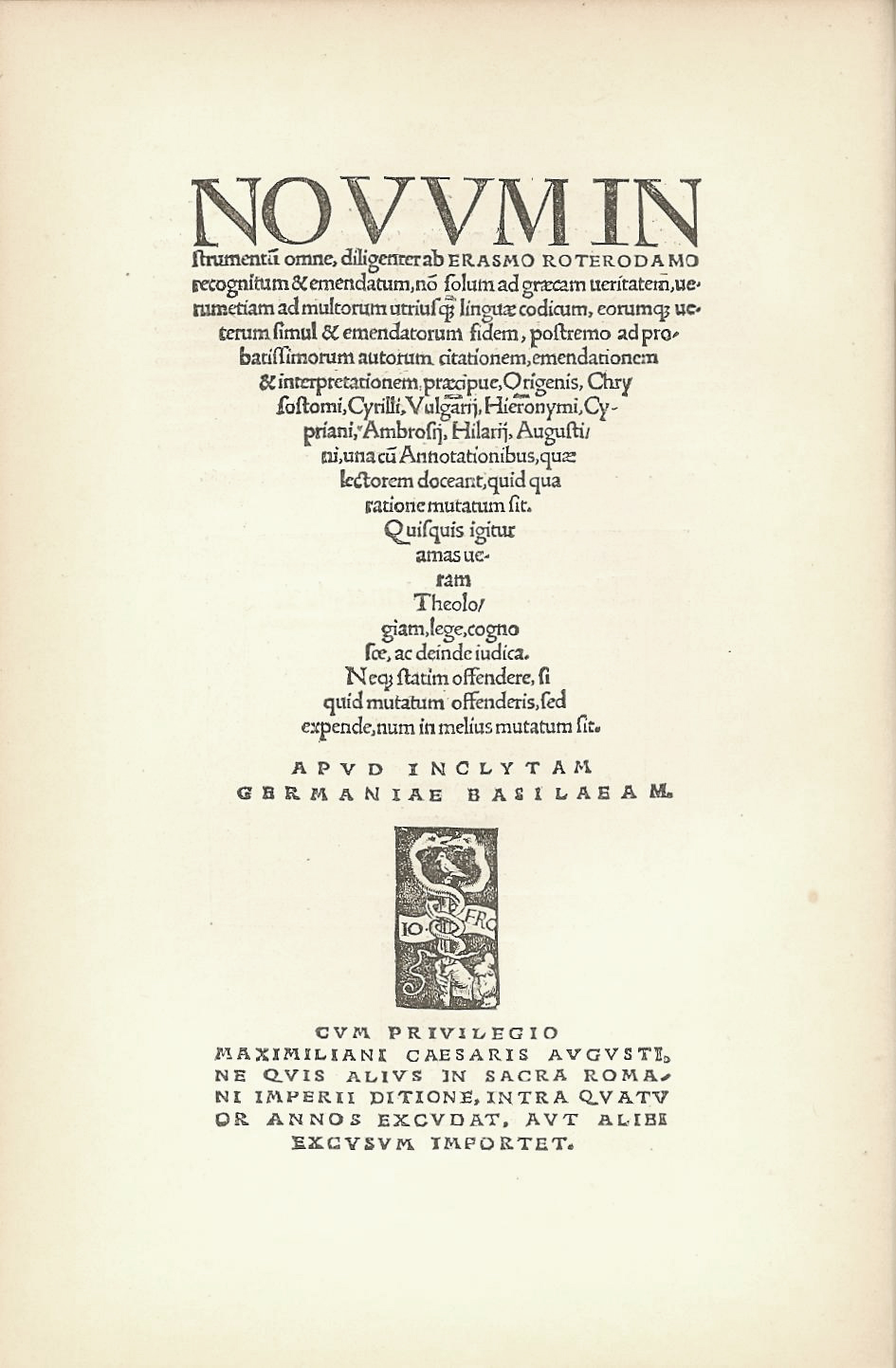
Novum Instrumentum omne
Erasmus · 1516
 Book
Primary source
De libero arbitrio diatribe sive collatio
Erasmus · 1524
 Book
Primary source
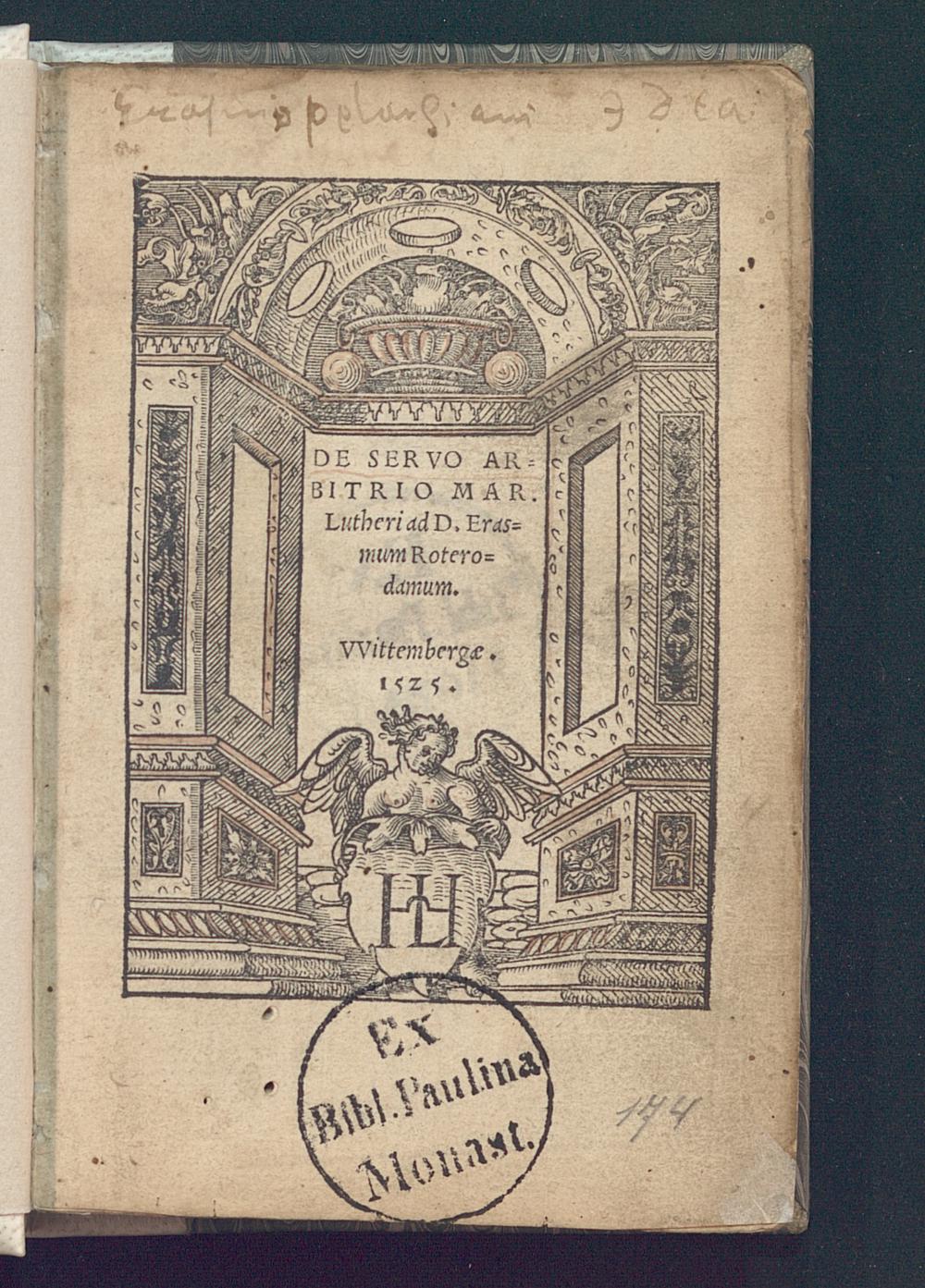
On the Bondage of the Will
Martin Luther · 1525
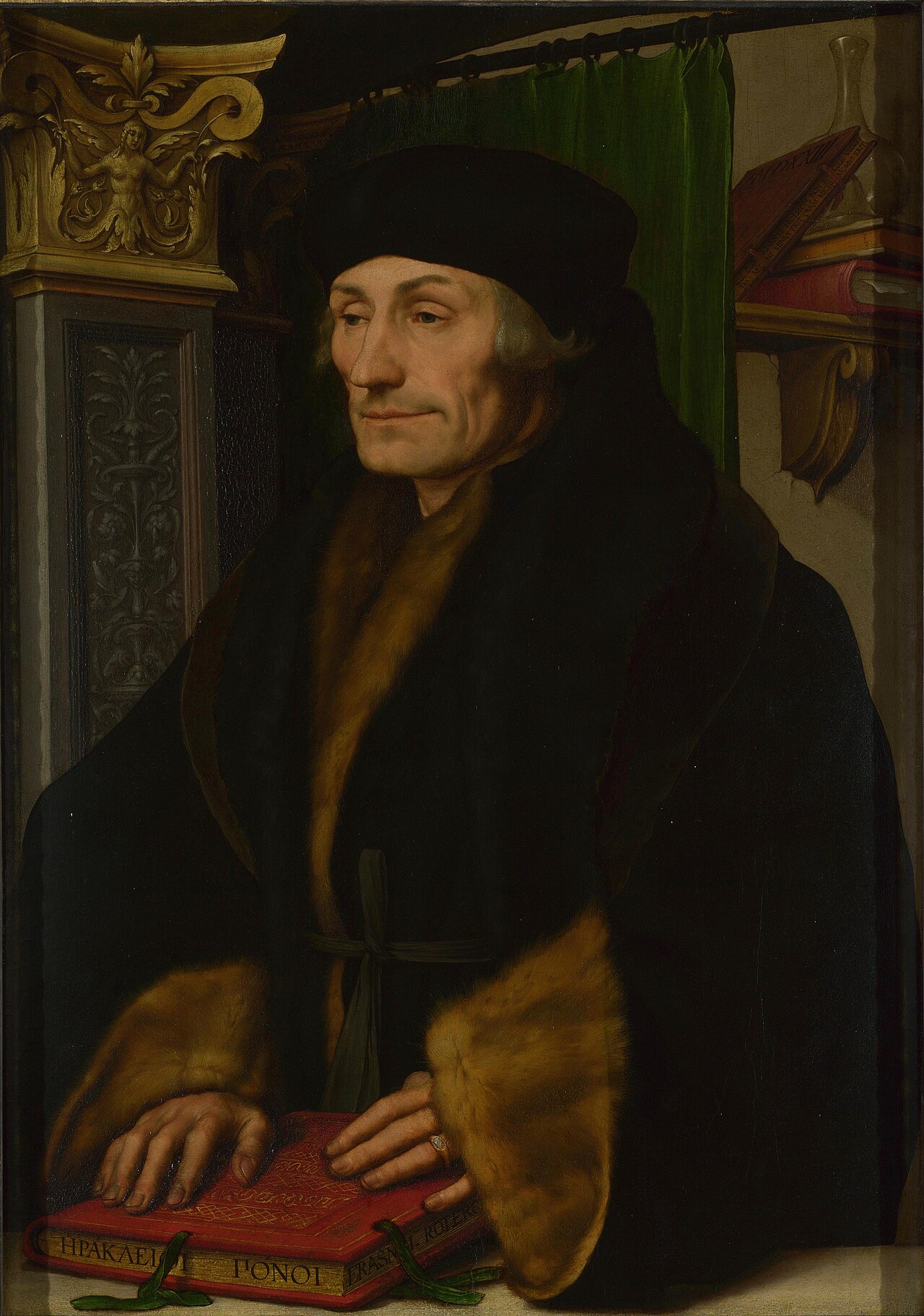 Painting
Primary source
Erasmus
Hans Holbein the Younger · 1523
Ready when you are
Start chatting with Desiderius Erasmus now.
20 messages free · No credit card · Available in 50+ languages.