


Primary sourceBook1783
Prolegomena to Any Future Metaphysics
Immanuel Kant · 1783
Kant's 1783 restatement of the Critique of Pure Reason, written to make his ideas more accessible and to defend them against critics.
Kant's own popular restatement of his philosophy, defending it from critics and crediting Hume's influence on his thought.
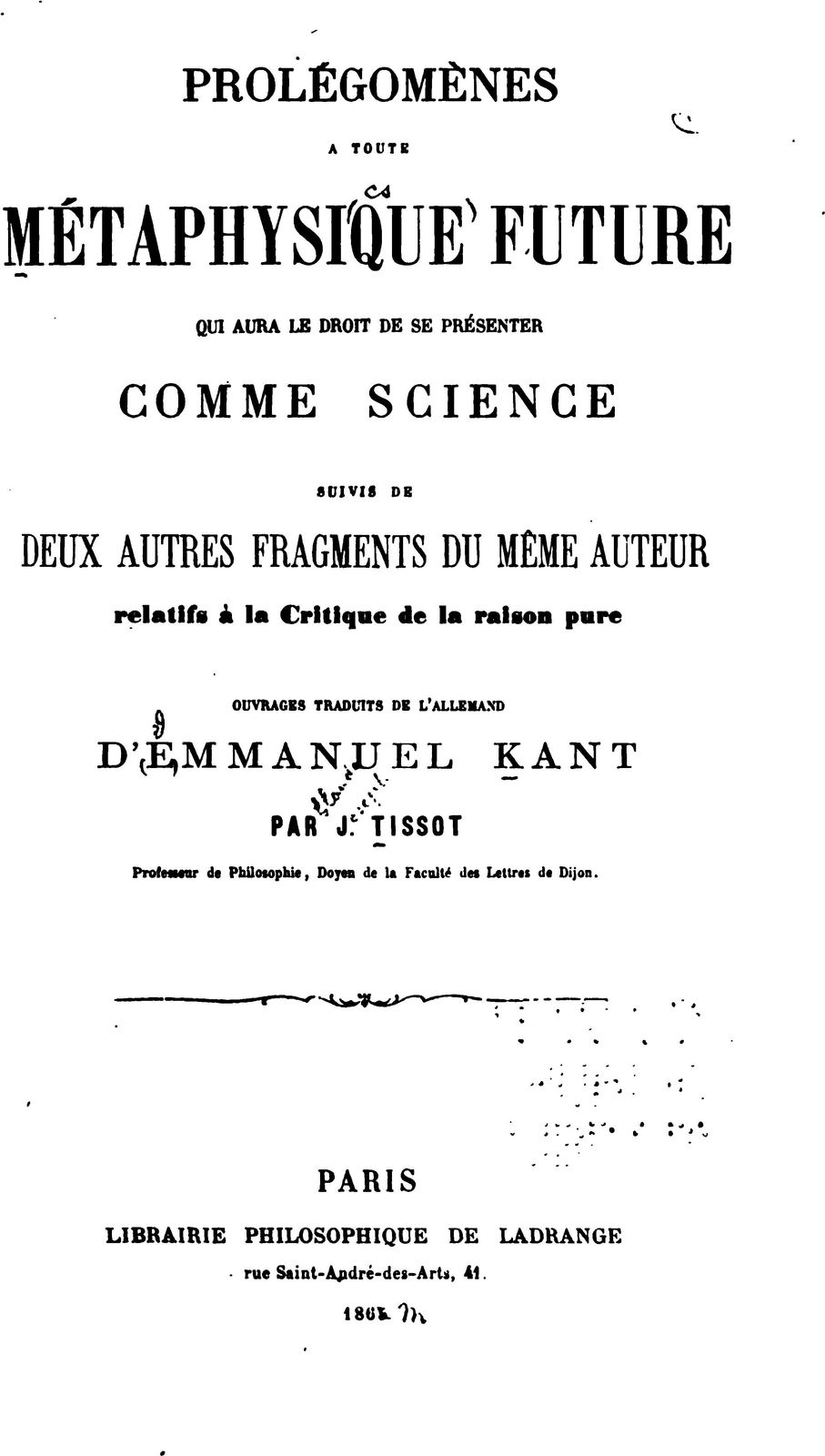
About this source
What it is
This is a book written by Immanuel Kant and published in 1783, two years after his Critique of Pure Reason. It restates the Critique's main conclusions in a shorter, more accessible way, and ends with a response to an unfavourable review of the Critique.
Why it matters
Kant was disappointed that the Critique had been poorly received, so he wrote the Prolegomena to defend and clarify his critical philosophy. In it he famously credits the philosopher David Hume with waking him from his 'dogmatic slumber' by questioning the idea of causality. The book shows Kant working out how to explain his difficult ideas to a wider audience.
Look closer
- Why might a philosopher write a simpler version of a difficult book soon after publishing it?
- What does Kant's reaction to criticism tell us about how new ideas are received?
- How might explaining an idea differently change how people understand it?
This book is part of the curated material that grounds the AI version of Immanuel Kant on Humy.ai — when students ask about related events, the AI can quote it and cite it.
More Immanuel Kant sources
Meet the AI Immanuel Kant →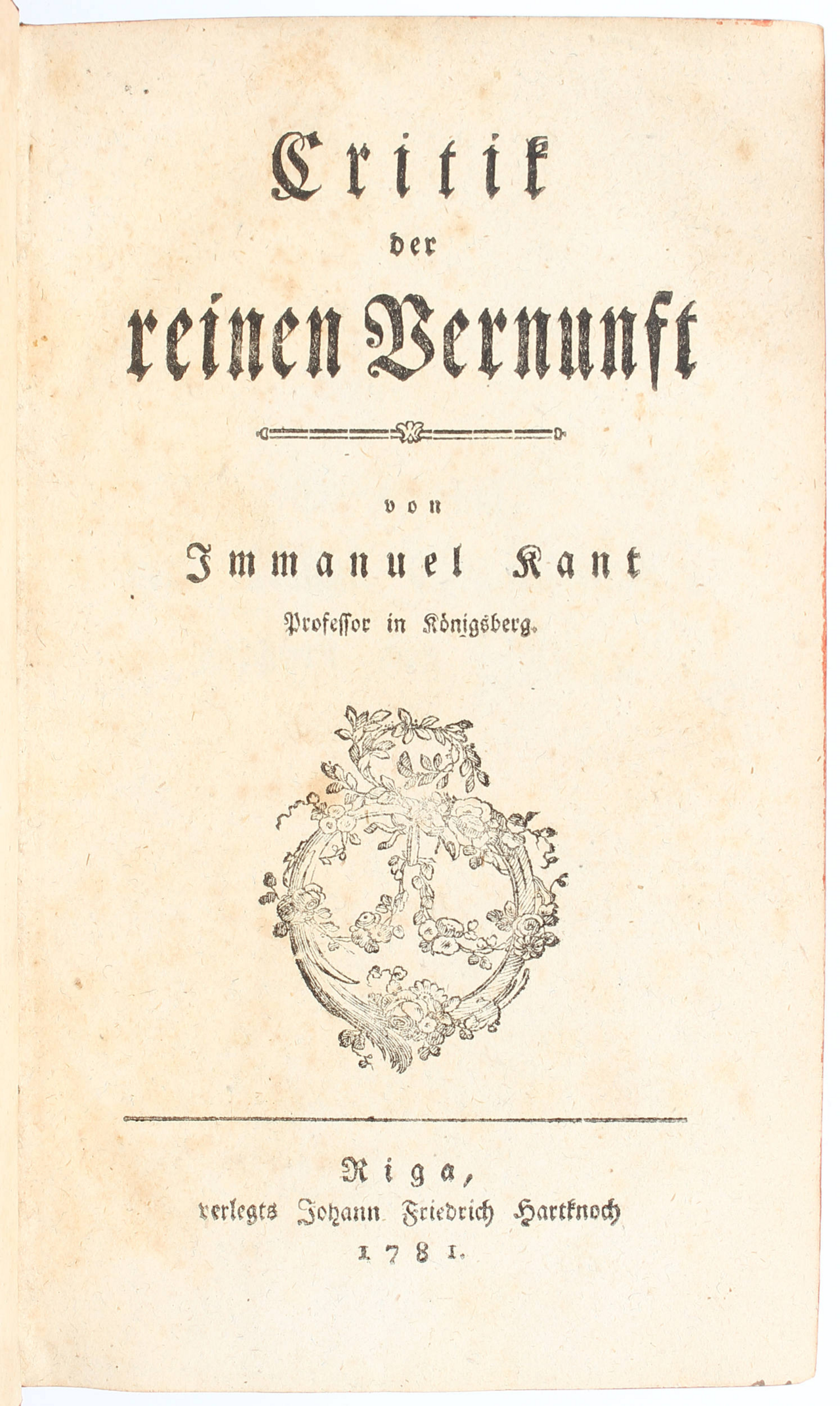 Book
Primary source
Critique of Pure Reason
Immanuel Kant · 1781 (revised 1787)
 Book
Primary source
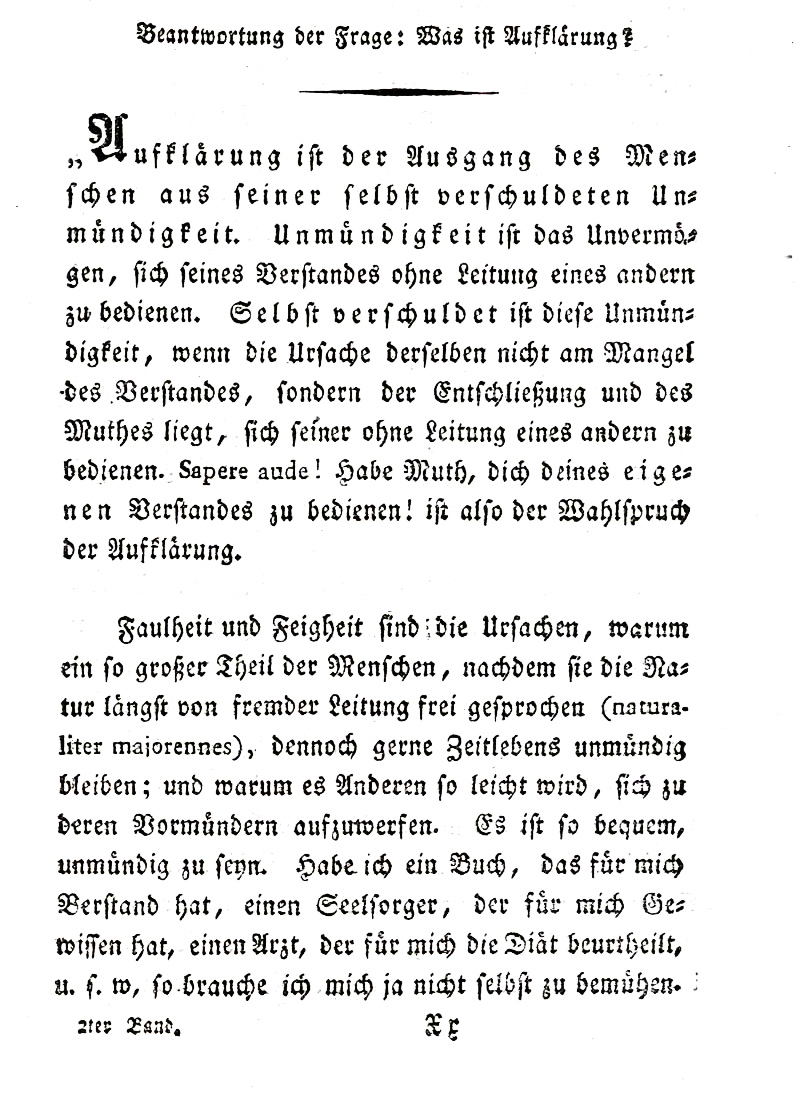
Answering the Question: What Is Enlightenment?
Immanuel Kant · 1784
 Book
Primary source
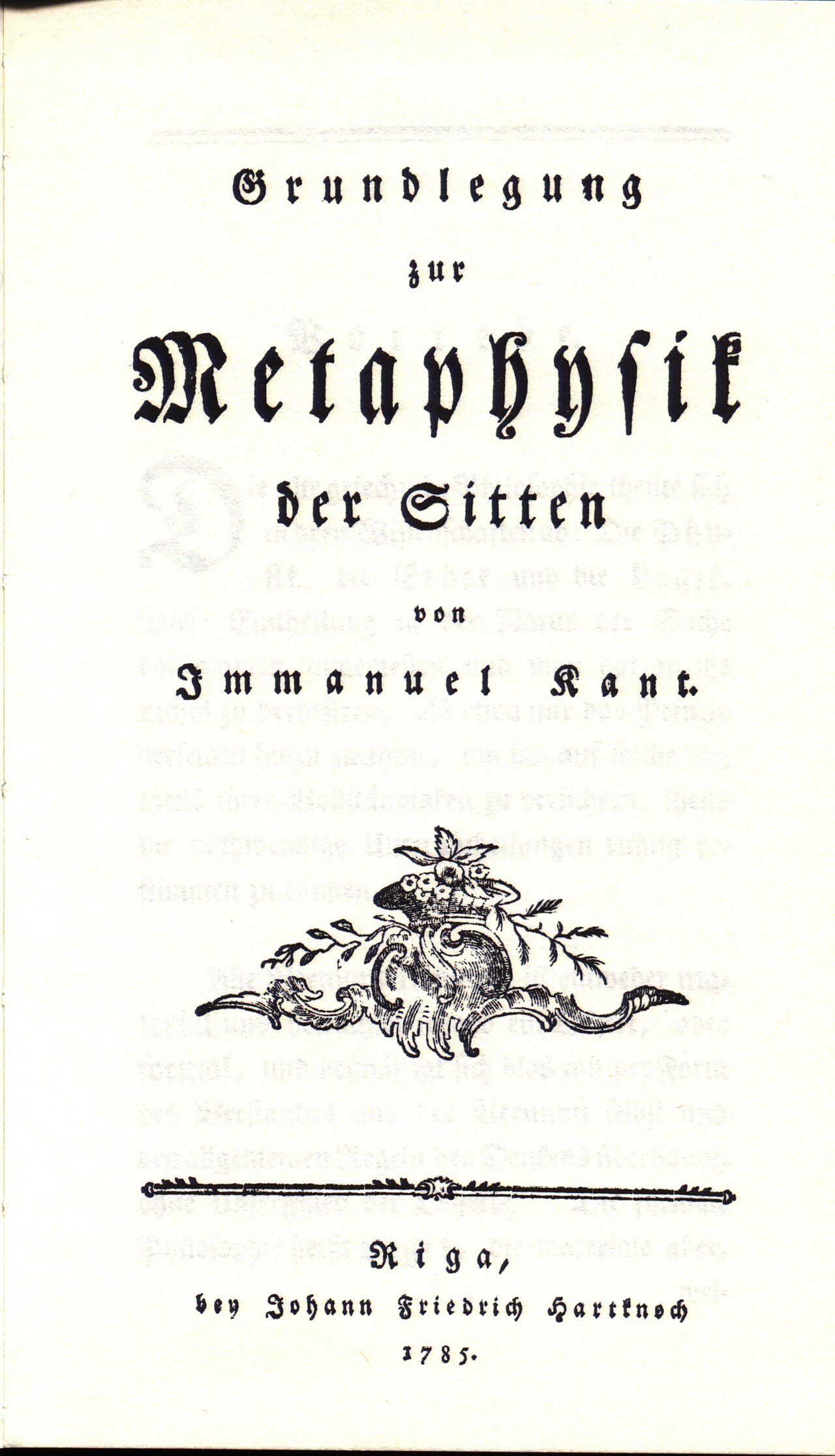
Groundwork of the Metaphysic of Morals
Immanuel Kant · 1785
 Book
Primary source
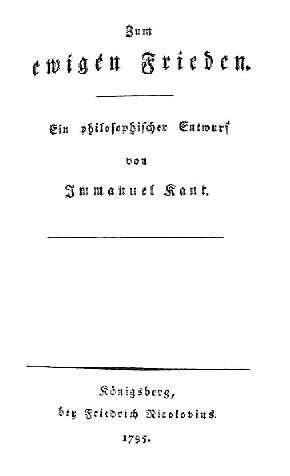
Perpetual Peace: A Philosophical Sketch
Immanuel Kant · 1795
 Book
Primary source
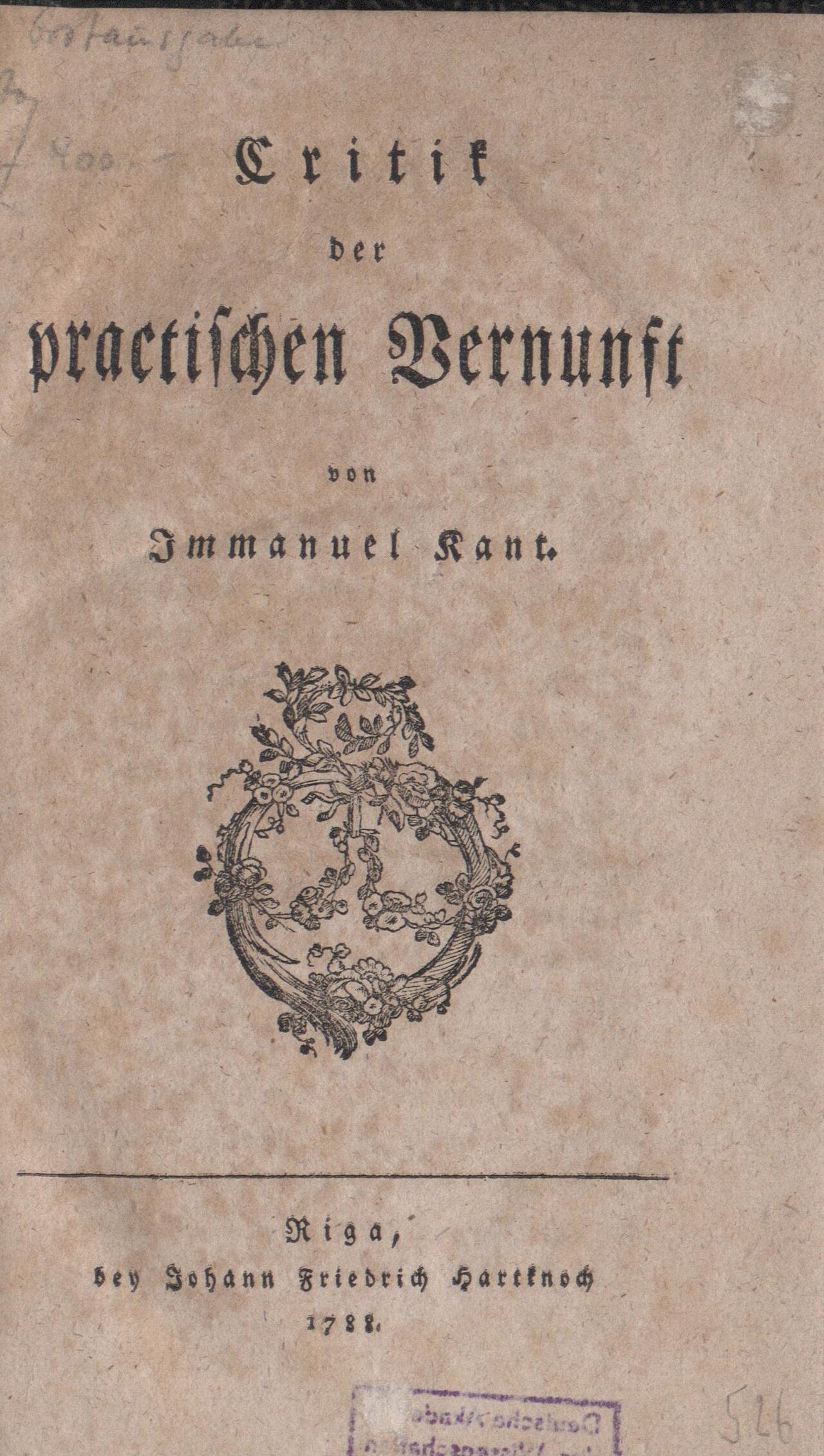
Critique of Practical Reason
Immanuel Kant · 1788 (completed 1787)
Ready when you are
Start chatting with Immanuel Kant now.
20 messages free · No credit card · Available in 50+ languages.