


Primary sourceBook1793
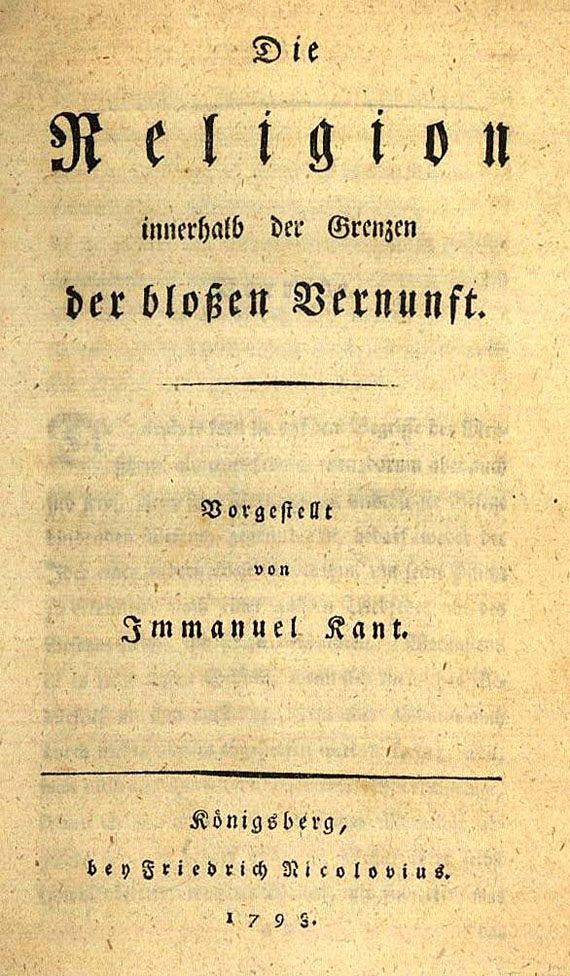
Religion within the Bounds of Bare Reason
Immanuel Kant · 1793
Kant's 1793 book grounding religion in morality, which criticised church ritual and hierarchy and led to royal censorship.
The controversial work that led to Kant being censored and ordered by the king to stop writing on religion.
About this source
What it is
This is a 1793 book by Immanuel Kant, published in four parts, that examines the relationship between religion, morality and reason. Kant criticises ritual, superstition and church hierarchy, arguing that true religion should be grounded in rational morality rather than historical traditions.
Why it matters
Publishing parts of this work caused serious trouble for Kant: King Friedrich Wilhelm II's censor blocked part of it from appearing in a journal, and after Kant published the full book anyway, he received a royal order forbidding him from writing or speaking publicly about religion. Kant obeyed until the king died. The book shows the risks Kant took to publish his ideas and the tension between philosophy and state authority in his time.
Look closer
- Why might Kant's ideas about religion have worried the king's censors?
- What does Kant's workaround of routing the book through a university tell us about his determination?
- How does this episode show limits on free expression in 18th-century Prussia?
This book is part of the curated material that grounds the AI version of Immanuel Kant on Humy.ai — when students ask about related events, the AI can quote it and cite it.
More Immanuel Kant sources
Meet the AI Immanuel Kant →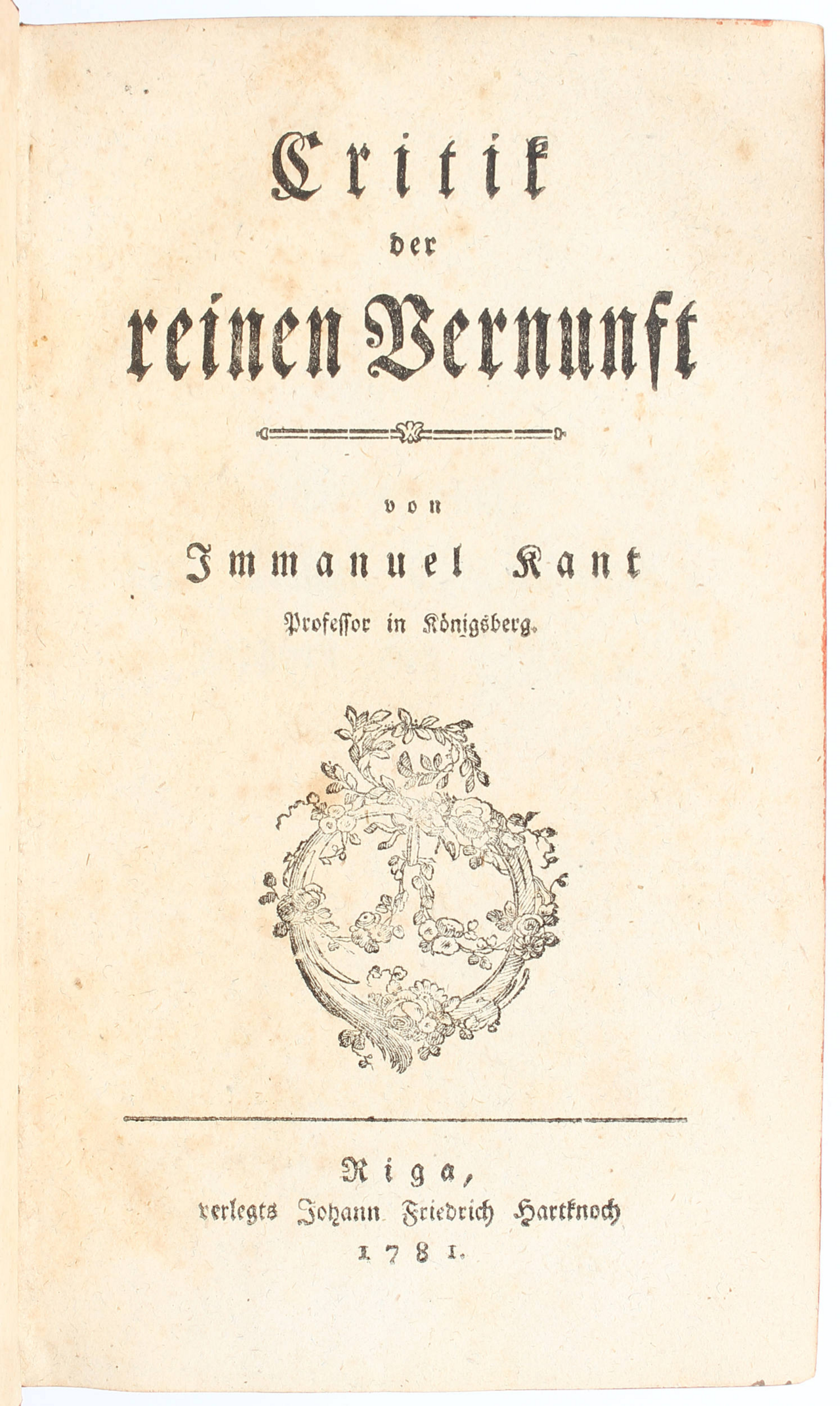 Book
Primary source
Critique of Pure Reason
Immanuel Kant · 1781 (revised 1787)
 Book
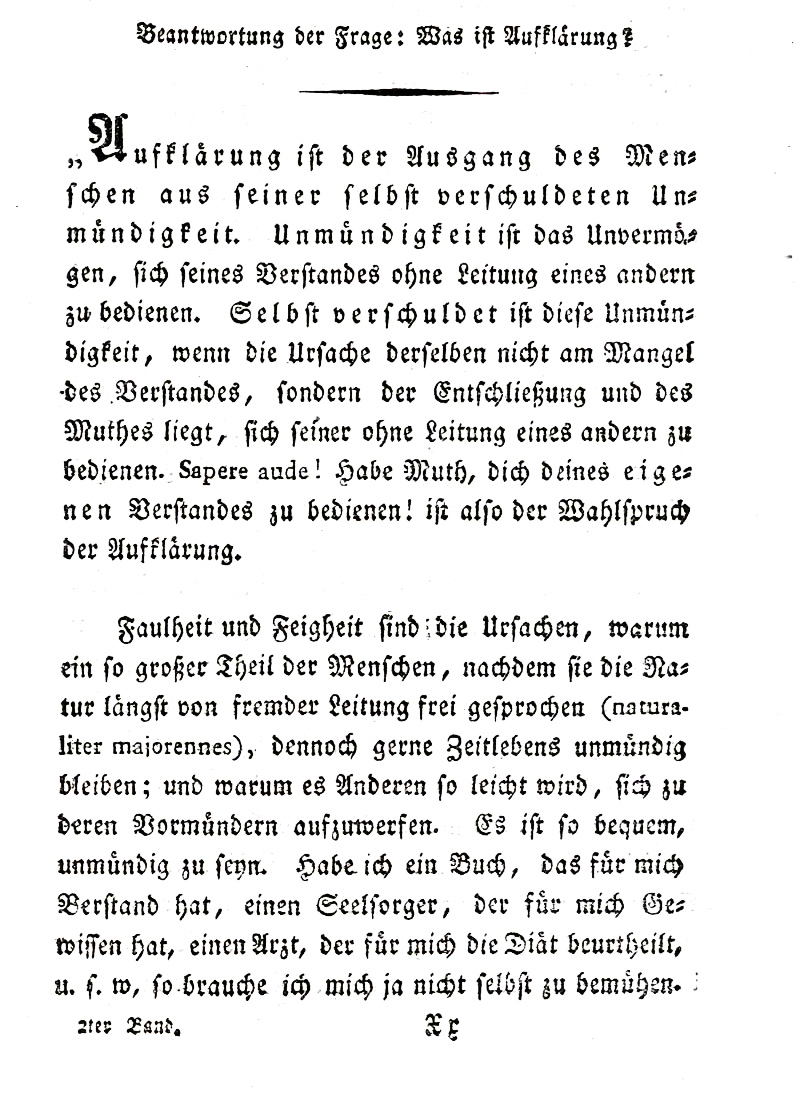
Primary source
Answering the Question: What Is Enlightenment?
Immanuel Kant · 1784
 Book
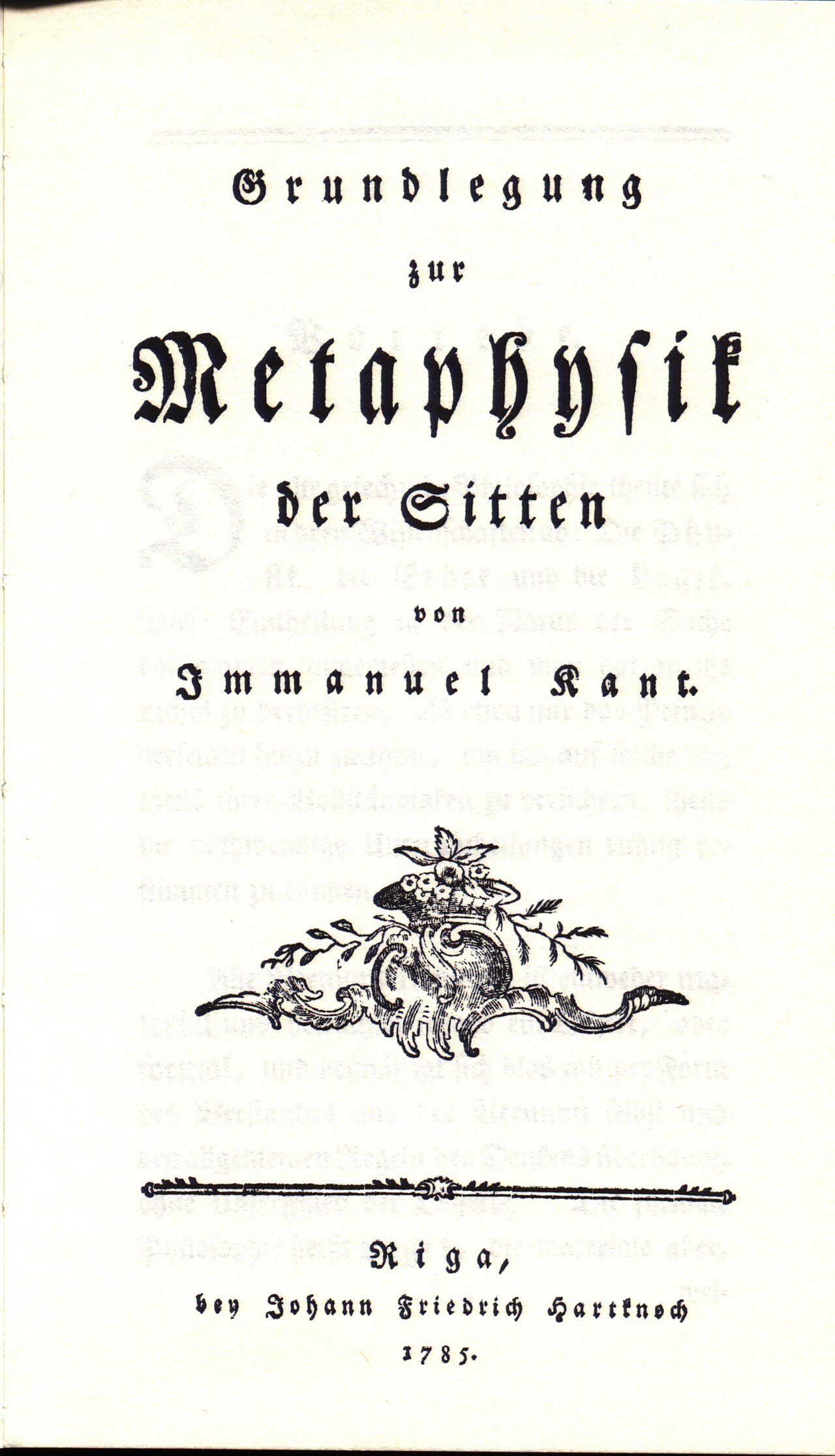
Primary source
Groundwork of the Metaphysic of Morals
Immanuel Kant · 1785
 Book
Primary source
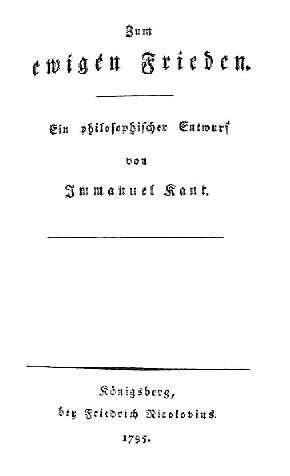
Perpetual Peace: A Philosophical Sketch
Immanuel Kant · 1795
 Book
Primary source
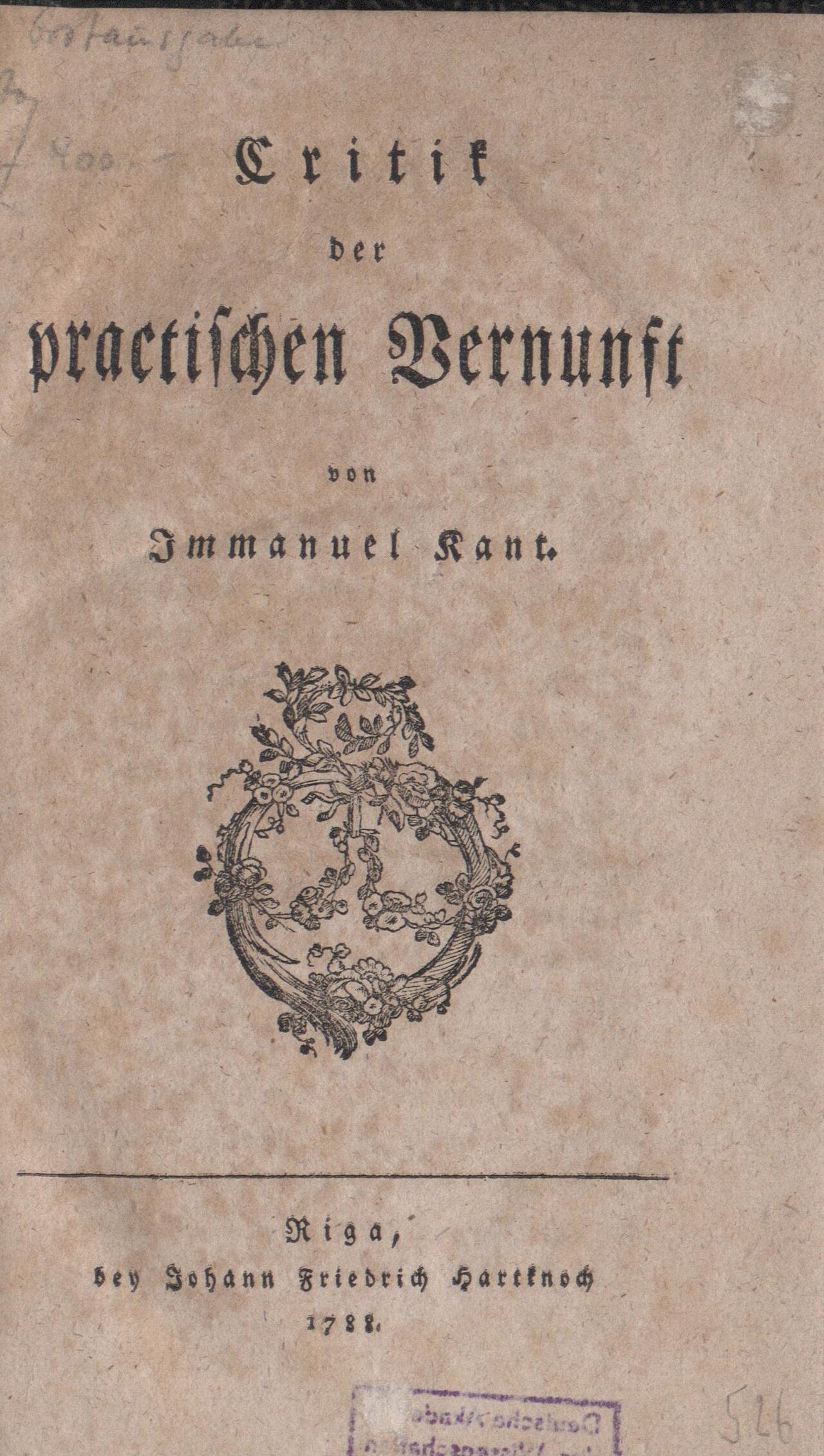
Critique of Practical Reason
Immanuel Kant · 1788 (completed 1787)
Ready when you are
Start chatting with Immanuel Kant now.
20 messages free · No credit card · Available in 50+ languages.