


Secondary sourceSculpture2005
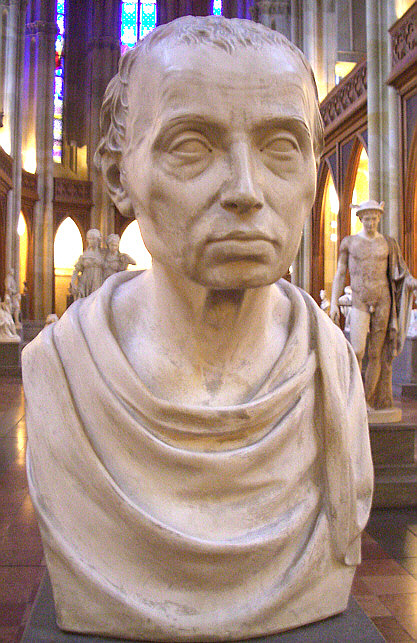
Statue of Immanuel Kant after Friedrich Hagemann
Friedrich Hagemann · 2005
A marble bust of Kant in the Friedrichswerder church museum in Berlin. It is based on a work by Friedrich Hagemann and was photographed in 2005.
A later marble bust of Kant, made after a work by Friedrich Hagemann, showing how Kant was honored in Berlin.
About this source
What it is
This is a marble bust of the philosopher Immanuel Kant, made after a work by Friedrich Hagemann. It stands in the Museum Friedrichswerdersche Kirche in Berlin. The photograph was taken in 2005 by Andreas Praefcke. The image shows an older man with a furrowed brow, deep-set eyes and a thin mouth. He wears a draped garment like a toga. The bust stands in a church interior with stained glass and other statues behind it.
Why it matters
A bust like this shows how Kant was remembered after his death in 1804. Sculptures of thinkers were often made to honor them and to shape how the public saw them. The object is a later monument rather than a portrait made during Kant's life. It shows what later Berlin audiences thought Kant looked like and how they wanted to honor him.
Look closer
- What features of the face and the toga-like clothing might be meant to suggest wisdom or seriousness?
- Why might a museum place a sculpture of a philosopher inside a former church?
- What does a bust made later tell us about Kant that a portrait made during his life might not?
This sculpture is part of the curated material that grounds the AI version of Immanuel Kant on Humy.ai — when students ask about related events, the AI can quote it and cite it.
More Immanuel Kant sources
Meet the AI Immanuel Kant →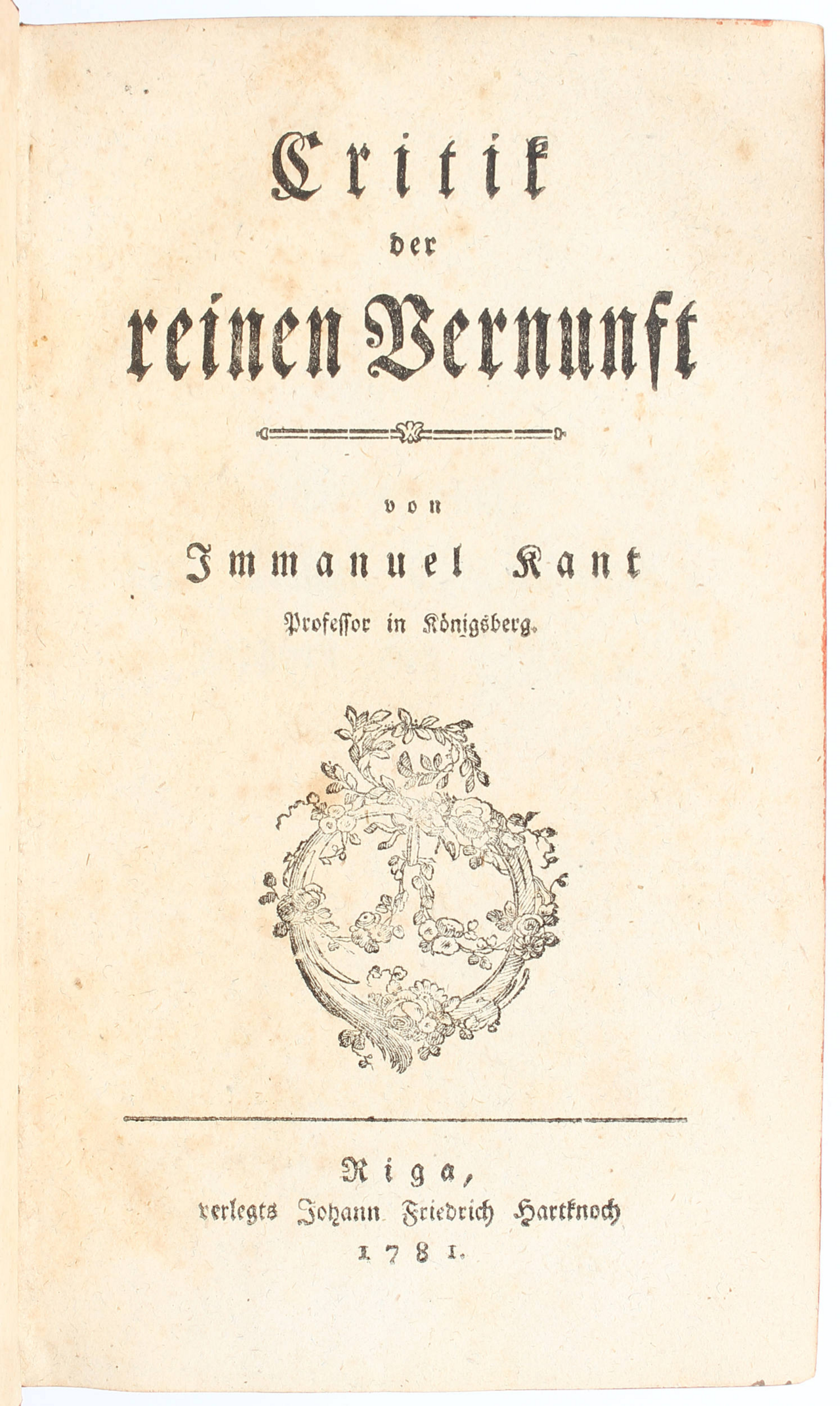 Book
Primary source
Critique of Pure Reason
Immanuel Kant · 1781 (revised 1787)
 Book
Primary source
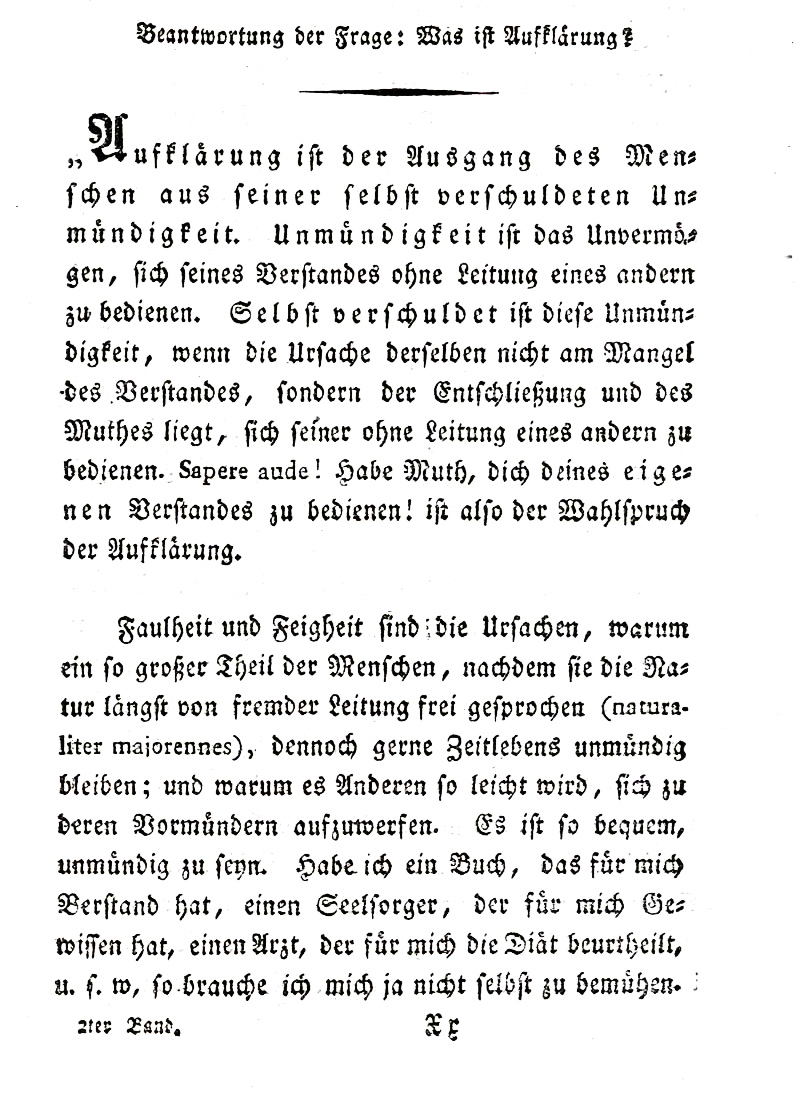
Answering the Question: What Is Enlightenment?
Immanuel Kant · 1784
 Book
Primary source
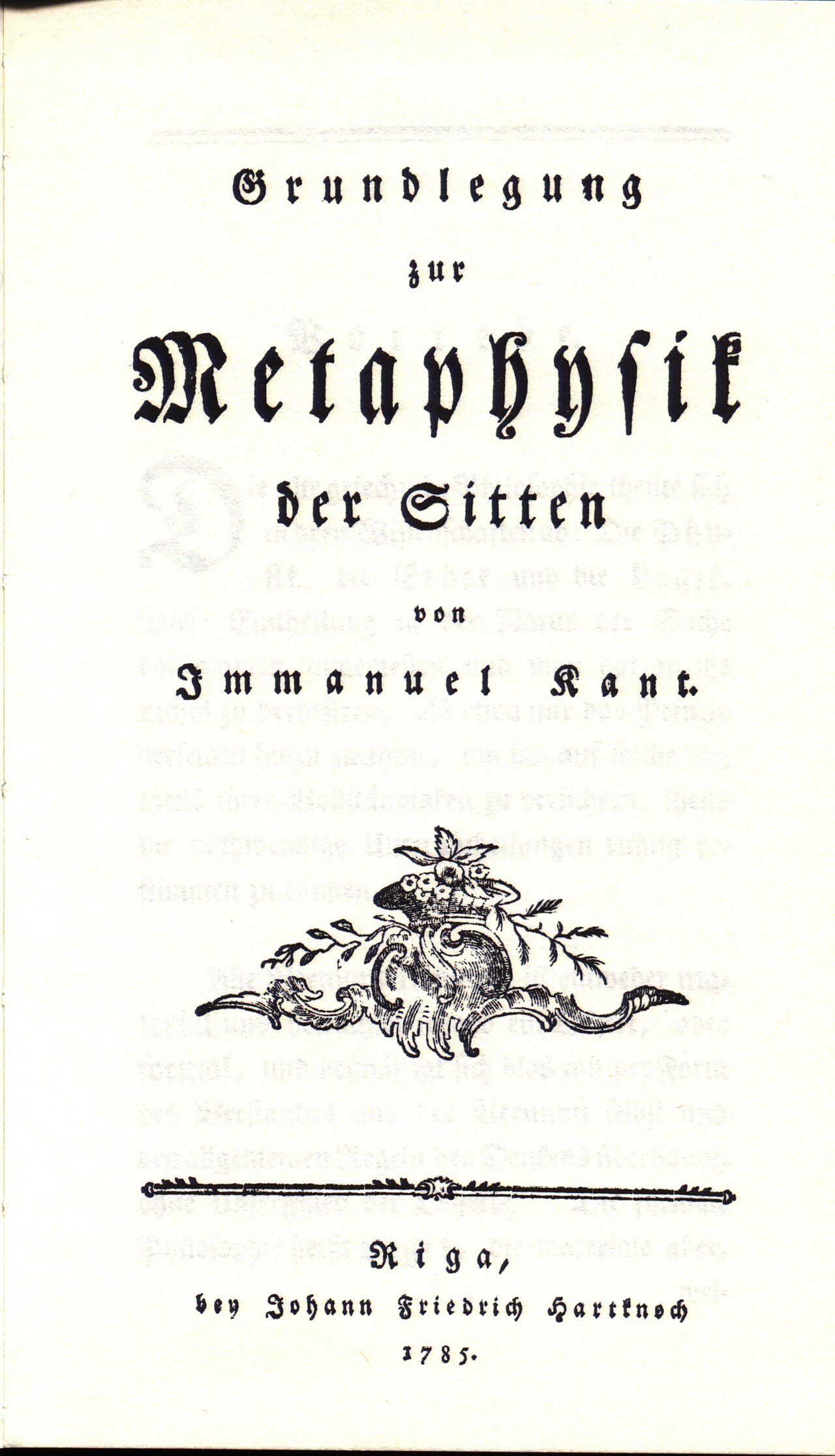
Groundwork of the Metaphysic of Morals
Immanuel Kant · 1785
 Book
Primary source
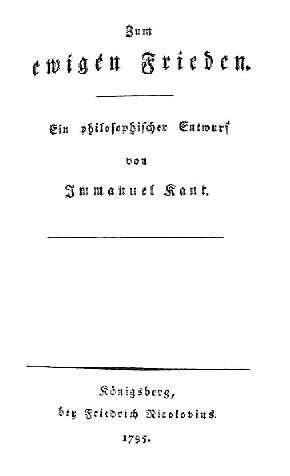
Perpetual Peace: A Philosophical Sketch
Immanuel Kant · 1795
 Book
Primary source
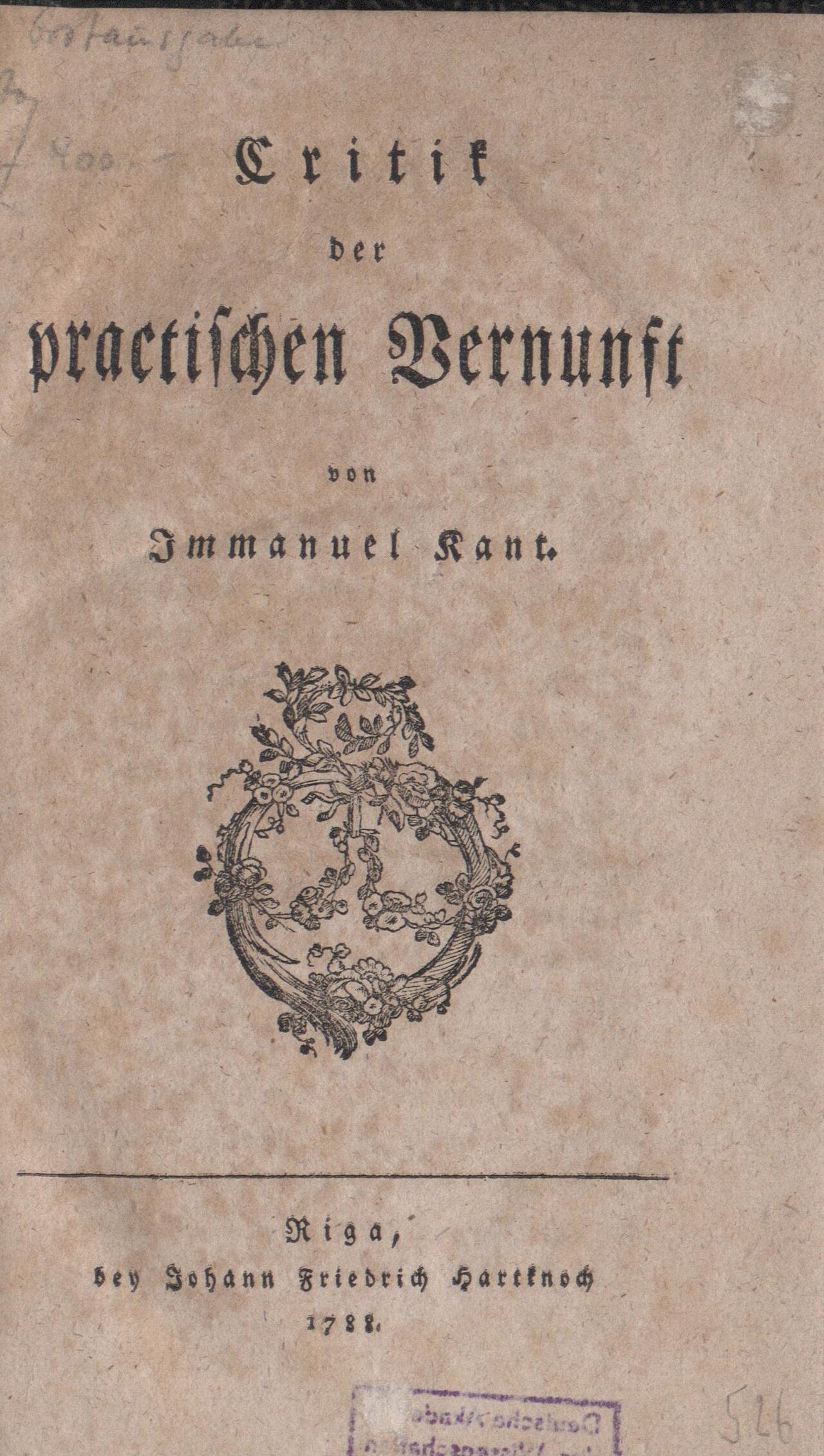
Critique of Practical Reason
Immanuel Kant · 1788 (completed 1787)
Ready when you are
Start chatting with Immanuel Kant now.
20 messages free · No credit card · Available in 50+ languages.