


Primary sourceBook1877
The Apophthegmes of Erasmus
Desiderius Erasmus · 1877
A collection of witty sayings from ancient figures gathered and translated by Erasmus, shown in an 1877 reprint of a 1564 English edition.
Erasmus compiled and wrote this collection, showing his humanist love of classical wit and moral instruction.
About this source
What it is
This is an 1877 reprint of the English translation of Erasmus's Apophthegmes, a collection of short, witty sayings attributed to ancient figures such as Socrates, Diogenes, and Alexander the Great. The reprint reproduces an English edition originally printed in 1564.
Why it matters
Erasmus gathered these sayings to entertain and to teach moral lessons through brief, memorable wit. The book shows how humanists like Erasmus valued classical wisdom not just in long philosophical works but in short, quotable form that could be used in education and conversation.
Look closer
- Why might short, witty sayings have been an effective teaching tool in the Renaissance?
- What does Erasmus's choice of figures (philosophers, kings, generals) tell you about who he thought was worth quoting?
- This is a late 19th-century reprint of a 16th-century translation — what might change between the original Latin collection and this English version?
This book is part of the curated material that grounds the AI version of Desiderius Erasmus on Humy.ai — when students ask about related events, the AI can quote it and cite it.
More Desiderius Erasmus sources
Meet the AI Desiderius Erasmus →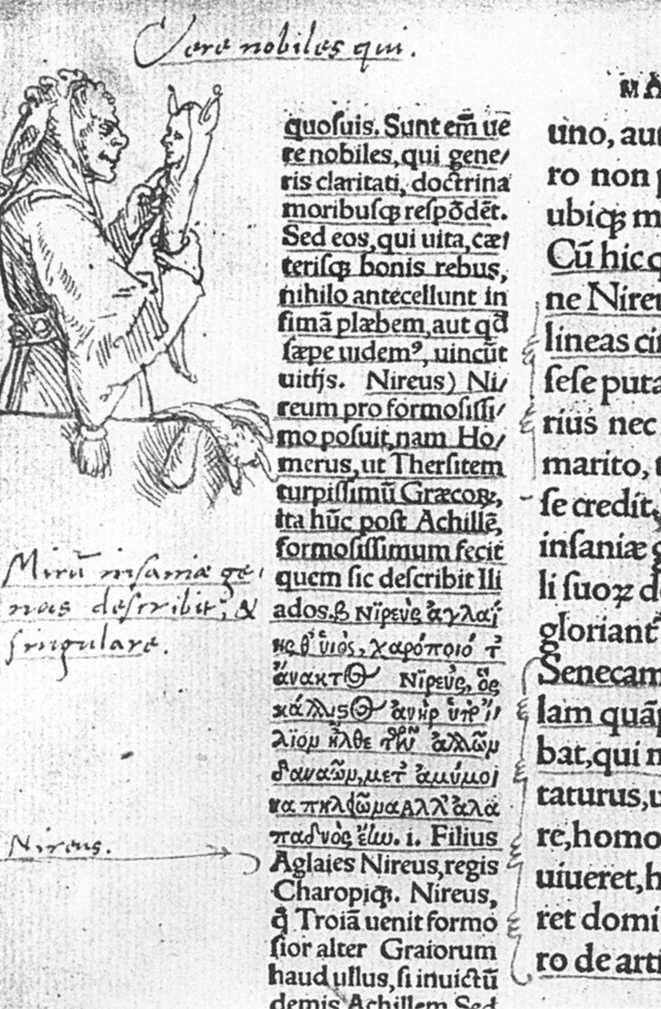 Book
Primary source
In Praise of Folly
Erasmus · 1511 (written 1509)
 Book
Primary source
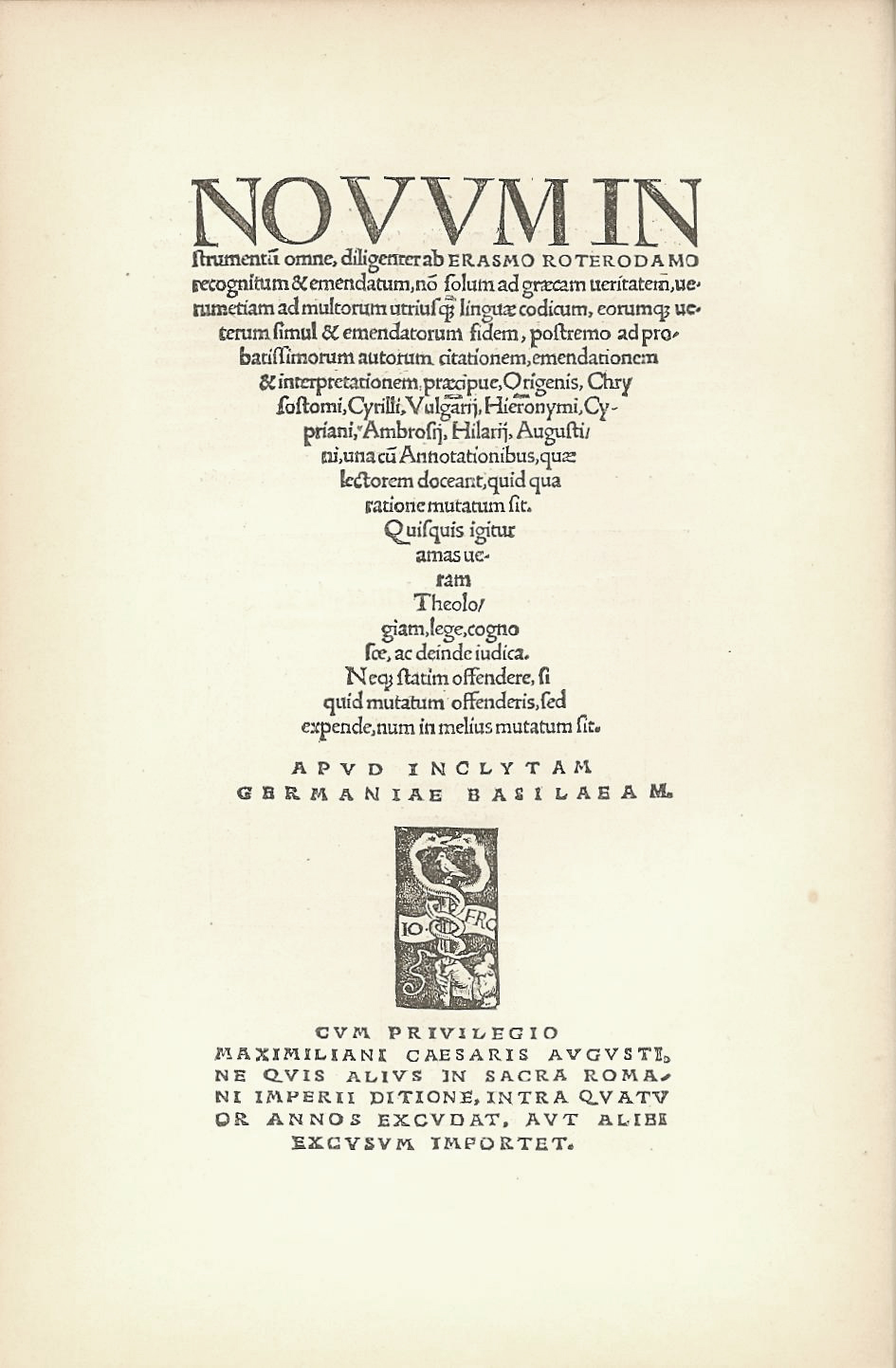
Novum Instrumentum omne
Erasmus · 1516
 Book
Primary source
De libero arbitrio diatribe sive collatio
Erasmus · 1524
 Book
Primary source
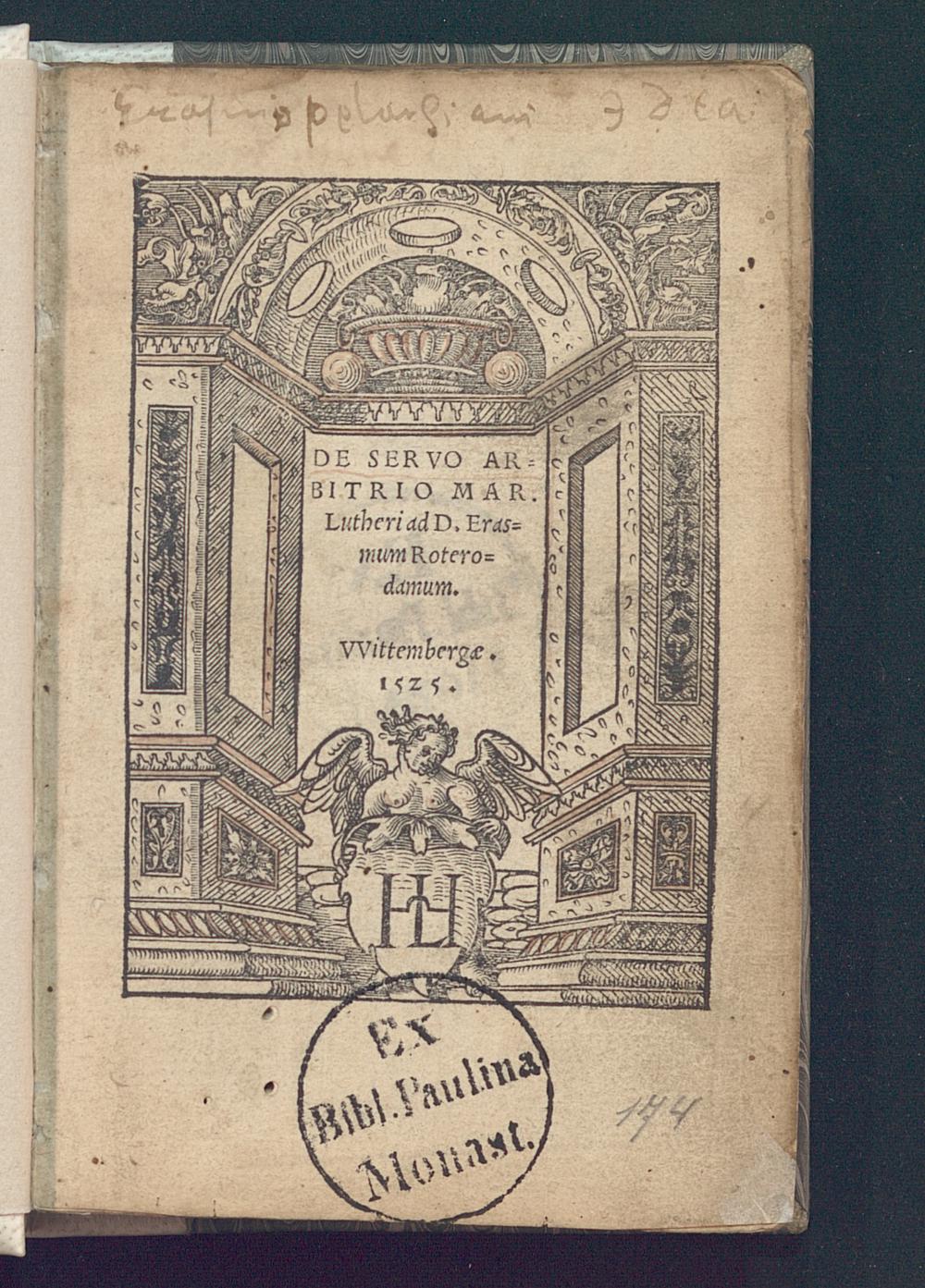
On the Bondage of the Will
Martin Luther · 1525
 Painting
Primary source
Erasmus
Hans Holbein the Younger · 1523
Ready when you are
Start chatting with Desiderius Erasmus now.
20 messages free · No credit card · Available in 50+ languages.