


Primary sourceBook1797
The Metaphysics of Morals
Immanuel Kant · 1797
Kant's 1797 work applying his moral philosophy to law, property, punishment and the state, his last major work on ethics.
Kant's own late systematic work applying his moral philosophy to law, property and the state.
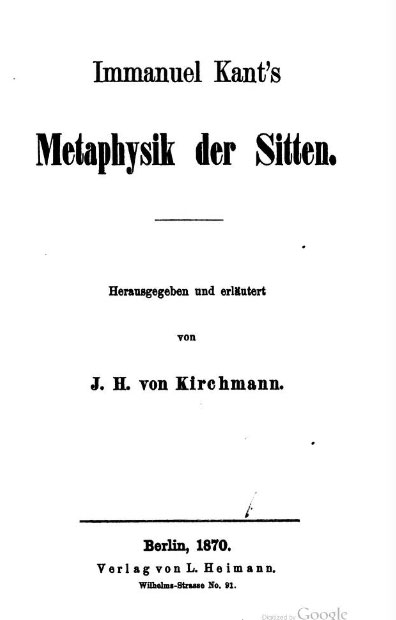
About this source
What it is
This is a 1797 book by Immanuel Kant, his last major work in moral philosophy. It is divided into the Doctrine of Right, covering political and legal rights, and the Doctrine of Virtue, covering ethical duties. Kant revised it slightly for a second edition in 1798.
Why it matters
The book builds on Kant's earlier Groundwork and Critique of Practical Reason to work out a full system of law and ethics. It covers property, punishment, the separation of powers in the state, and duties people owe to themselves and others, including his idea that any action is right only if it can coexist with everyone's freedom under a universal law. It shows how Kant tried to extend his abstract moral philosophy into practical questions of politics and daily conduct.
Look closer
- Why might Kant have separated 'rights' from 'virtues' into two parts?
- What does his idea of a 'universal law of freedom' ask us to imagine?
- How might this late work differ from Kant's earlier, more famous writings on ethics?
This book is part of the curated material that grounds the AI version of Immanuel Kant on Humy.ai — when students ask about related events, the AI can quote it and cite it.
More Immanuel Kant sources
Meet the AI Immanuel Kant →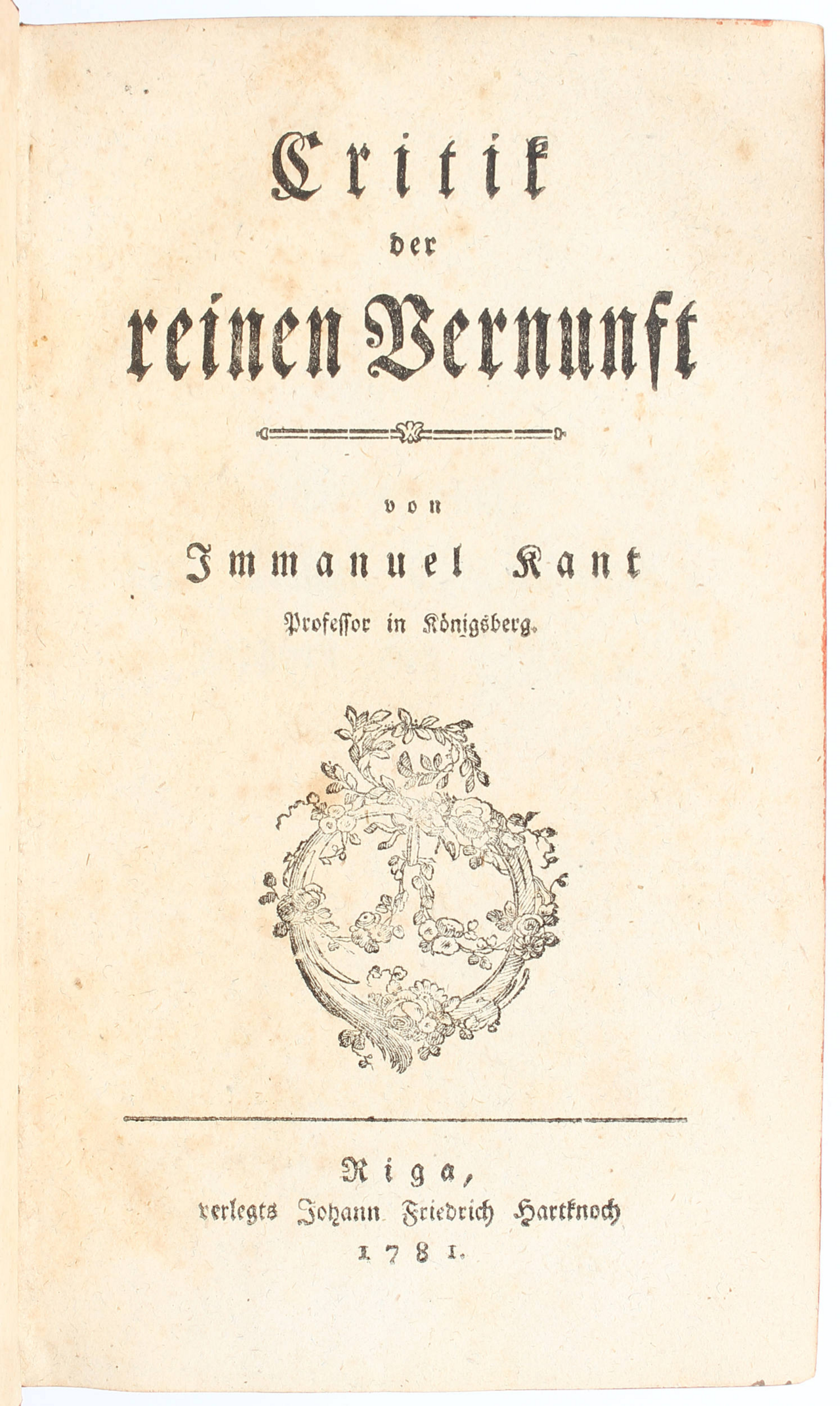 Book
Primary source
Critique of Pure Reason
Immanuel Kant · 1781 (revised 1787)
 Book
Primary source
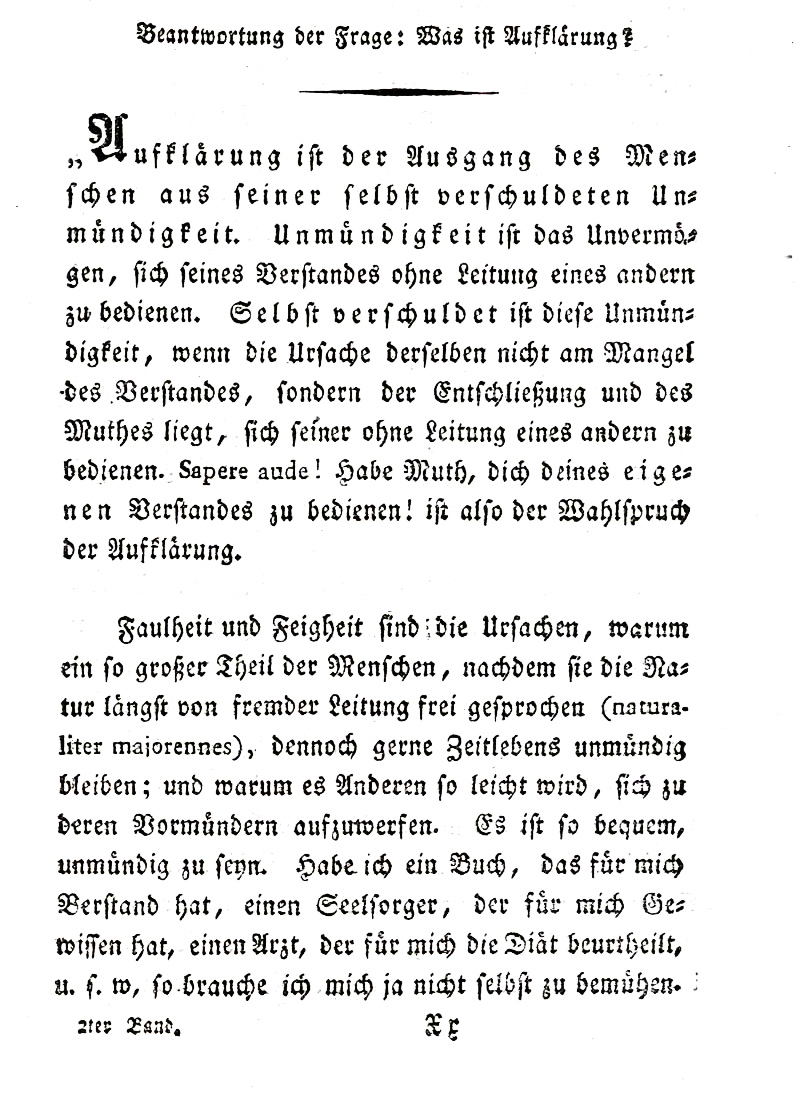
Answering the Question: What Is Enlightenment?
Immanuel Kant · 1784
 Book
Primary source
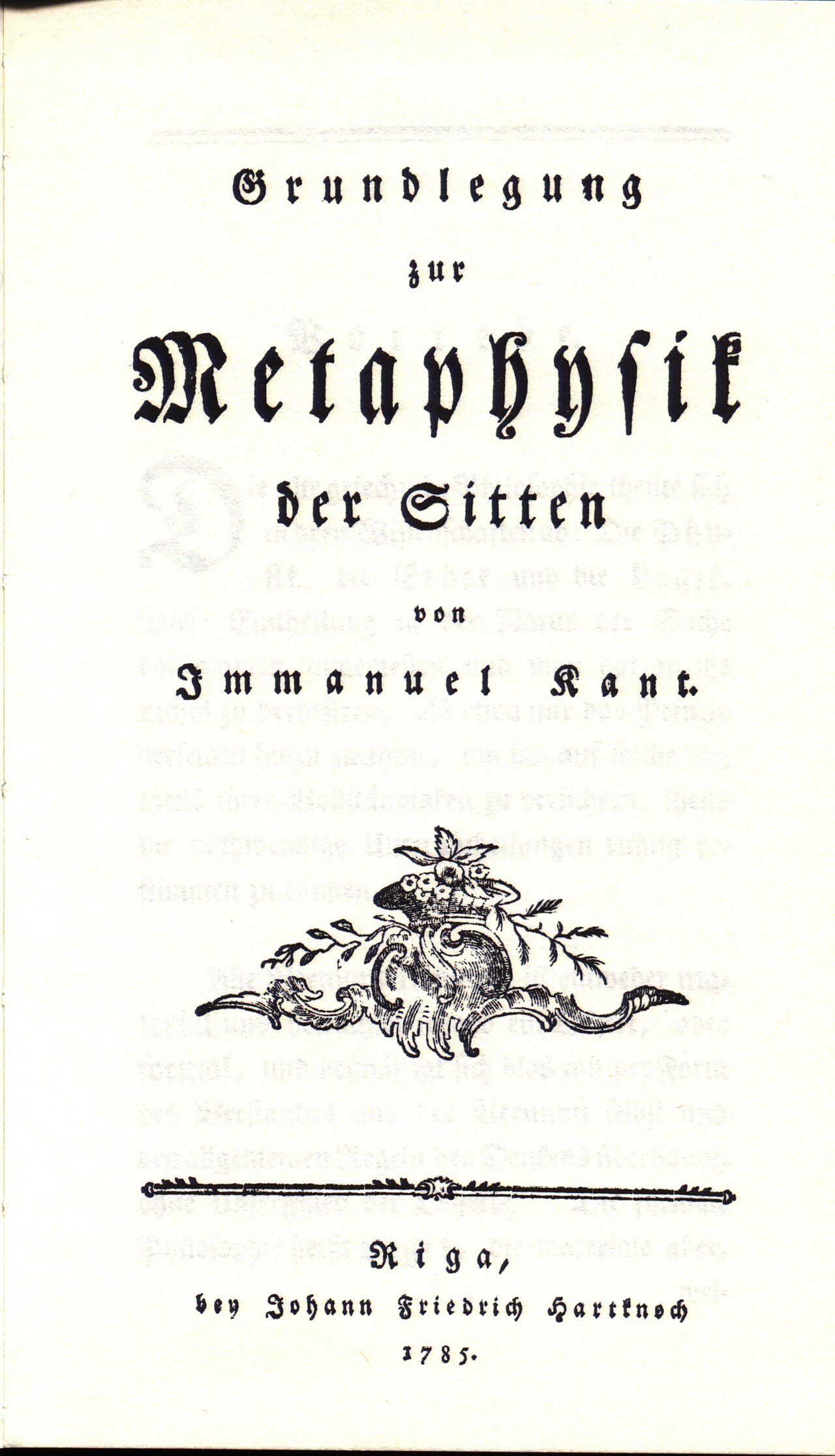
Groundwork of the Metaphysic of Morals
Immanuel Kant · 1785
 Book
Primary source
Perpetual Peace: A Philosophical Sketch
Immanuel Kant · 1795
 Book
Primary source
Critique of Practical Reason
Immanuel Kant · 1788 (completed 1787)
Ready when you are
Start chatting with Immanuel Kant now.
20 messages free · No credit card · Available in 50+ languages.