


Primary sourceDocument1797
The Philosophy of Law, Part I, Chapter 3
Immanuel Kant · 1797
A chapter from Kant's own work on legal philosophy, discussing acquisition of property through courts of justice.
Kant's own writing on law and property, showing his thinking on justice and rights late in his career.
About this source
What it is
This is a text written by Immanuel Kant in 1797, part of his work The Philosophy of Law. This chapter discusses how acquisition of property is conditioned by the sentence of a public court, exploring ideas of natural and distributive justice.
Why it matters
This source is Kant's own writing, showing his thinking on law, justice, and rights late in his life. It reveals how Kant extended his philosophical system beyond ethics and metaphysics into questions of property and legal institutions.
Look closer
- What does Kant mean by distinguishing 'Natural Right' from statutory law?
- Why might Kant think courts are necessary even for rights that can be known through reason alone?
- How does this legal writing connect to Kant's broader ideas about morality and reason?
This document is part of the curated material that grounds the AI version of Immanuel Kant on Humy.ai — when students ask about related events, the AI can quote it and cite it.
More Immanuel Kant sources
Meet the AI Immanuel Kant →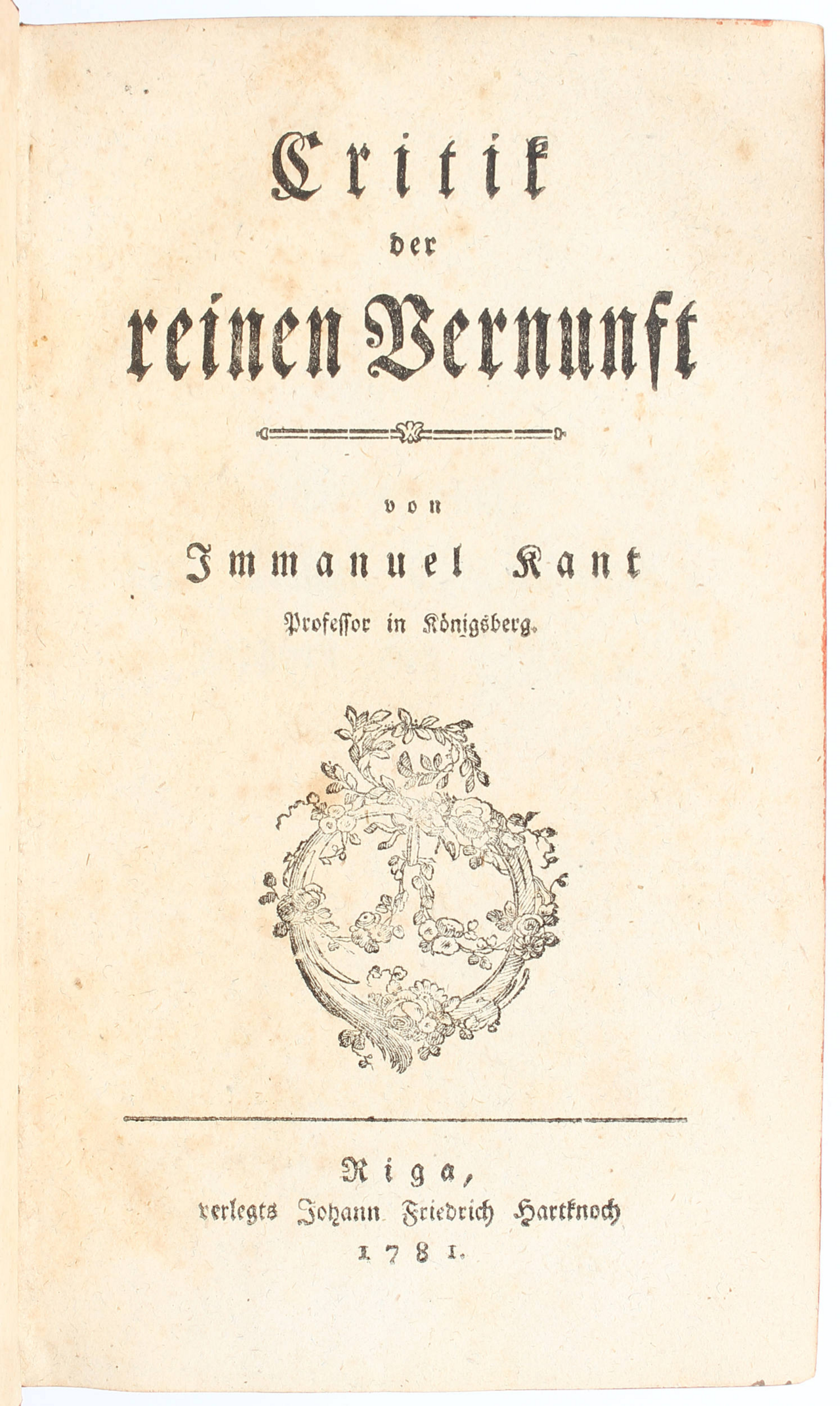 Book
Primary source
Critique of Pure Reason
Immanuel Kant · 1781 (revised 1787)
 Book
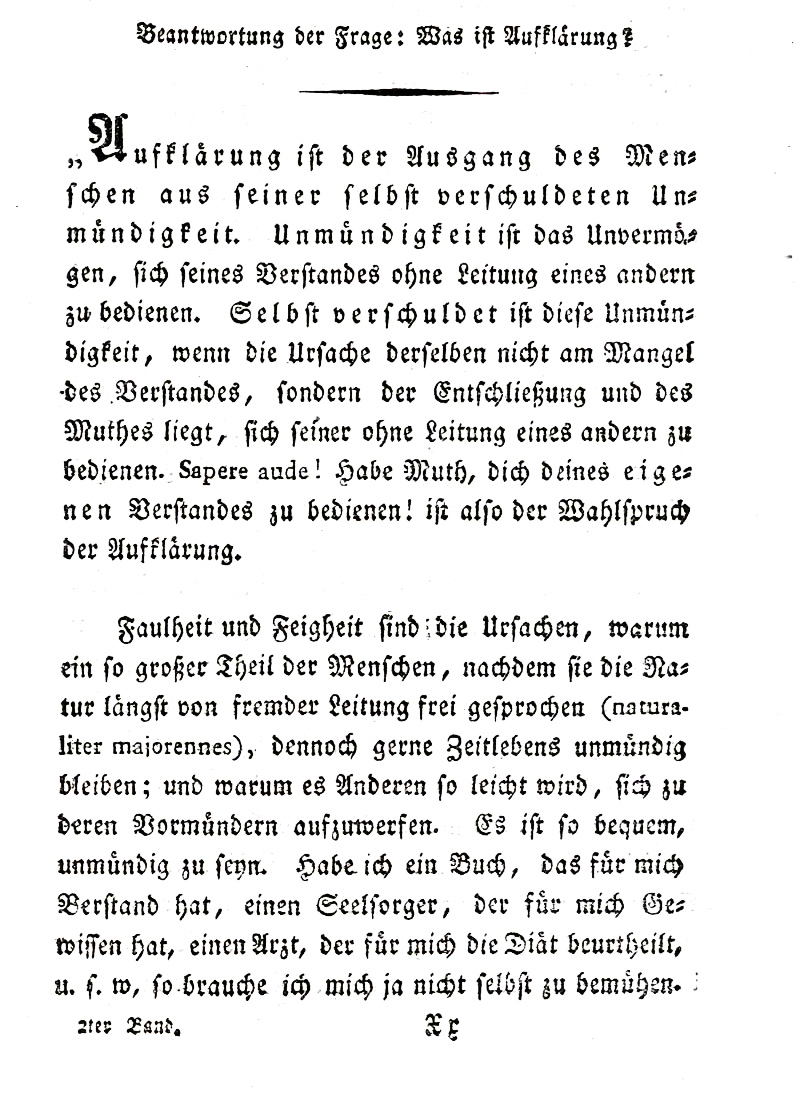
Primary source
Answering the Question: What Is Enlightenment?
Immanuel Kant · 1784
 Book
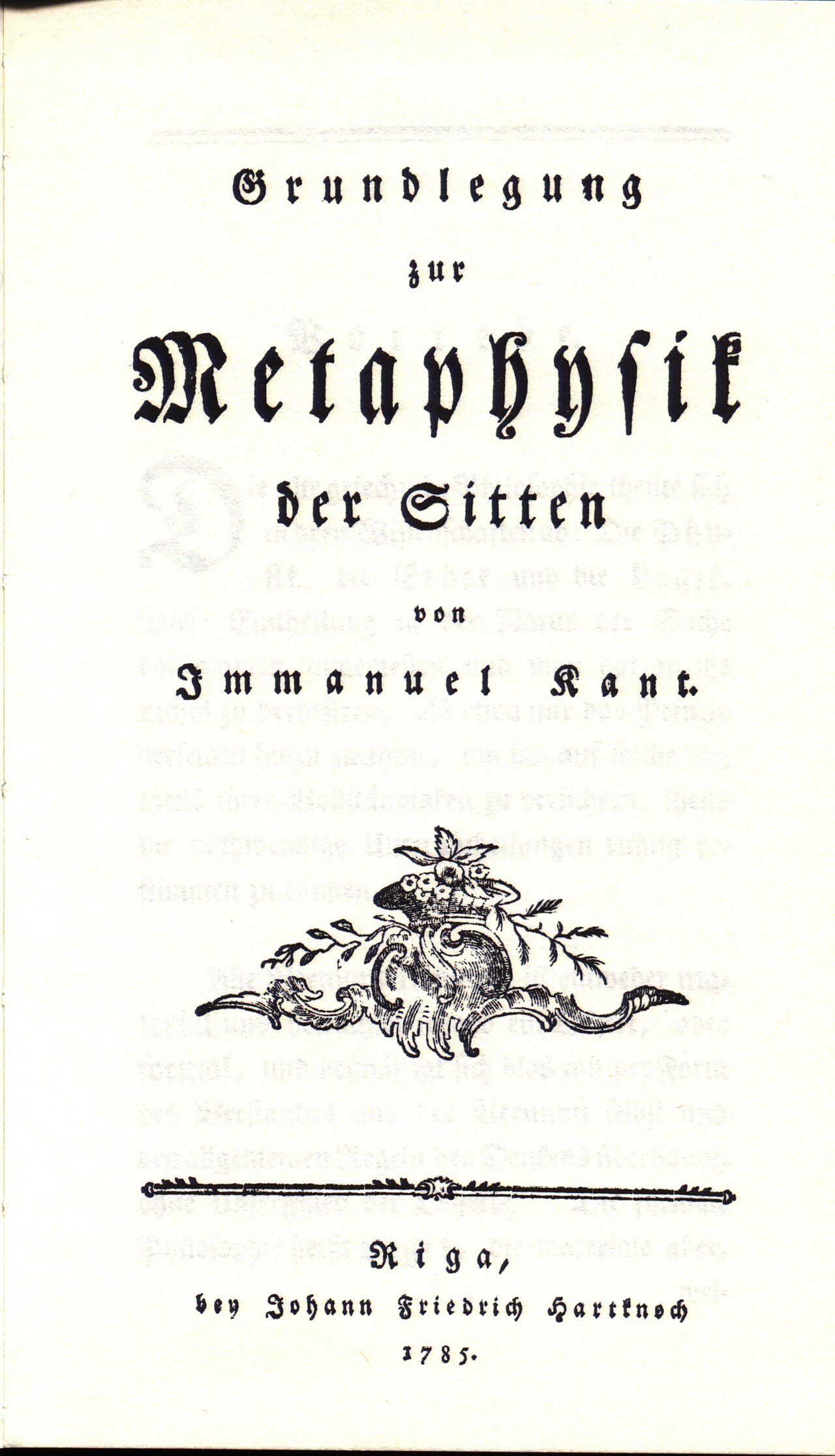
Primary source
Groundwork of the Metaphysic of Morals
Immanuel Kant · 1785
 Book
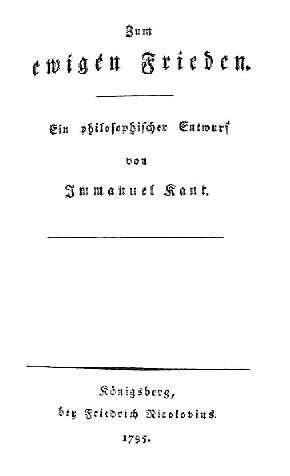
Primary source
Perpetual Peace: A Philosophical Sketch
Immanuel Kant · 1795
 Book
Primary source
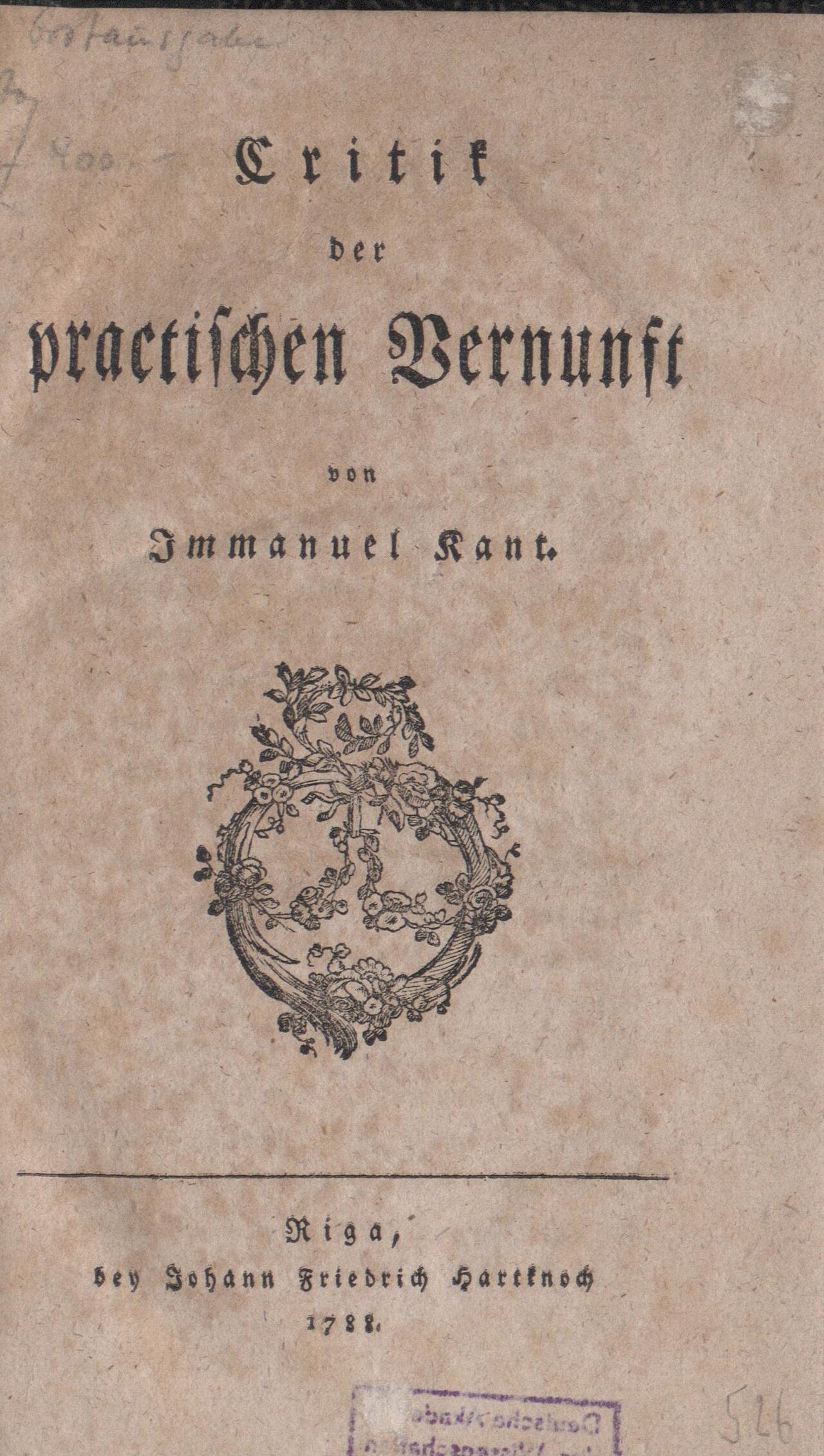
Critique of Practical Reason
Immanuel Kant · 1788 (completed 1787)
Ready when you are
Start chatting with Immanuel Kant now.
20 messages free · No credit card · Available in 50+ languages.