


Primary sourceBook1913
The Praise of Folly
Erasmus · 1913
Erasmus's satirical essay in English translation, a key text showing his humanist wit and criticism of the church, in a 1913 edition.
This is Erasmus's own satirical masterpiece, shown here in a later English translation, central to his reputation as a humanist wit.
 PDF · 222 pages
About this source
What it is
This is a 1913 English edition of Erasmus's satirical essay The Praise of Folly, originally written in 1509 and translated into English by John Wilson in 1668. This edition includes an introduction by Mrs. P. S. Allen and was printed at the Clarendon Press, Oxford.
Why it matters
The Praise of Folly is one of Erasmus's most famous works, part of a wave of satirical 'Fool Literature' written before the Reformation that mocked the gap between religious principle and practice. The essay shows Erasmus's sharp wit and his willingness to criticize abuses within the Church using satire rather than direct argument.
Look closer
- Why might satire have been a safer or more effective way to criticize the church than direct criticism?
- This is a later printed edition and translation, not Erasmus's original 1509 Latin text — how might that change the words we read?
- What kinds of 'folly' might Erasmus have been pointing to in his own society?
This book is part of the curated material that grounds the AI version of Desiderius Erasmus on Humy.ai — when students ask about related events, the AI can quote it and cite it.
More Desiderius Erasmus sources
Meet the AI Desiderius Erasmus →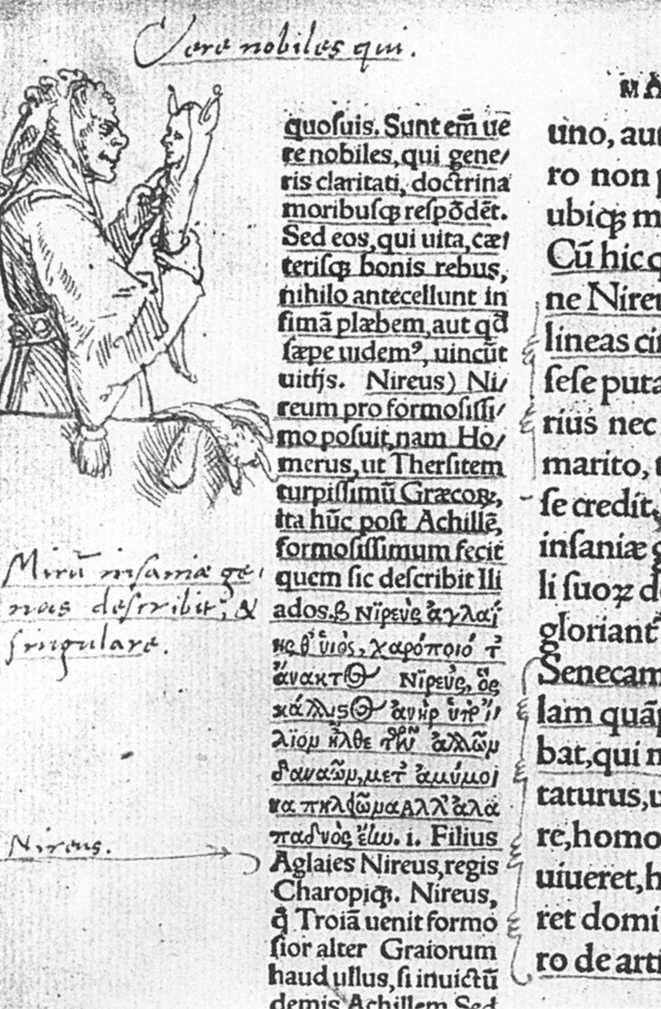 Book
Primary source
In Praise of Folly
Erasmus · 1511 (written 1509)
 Book
Primary source
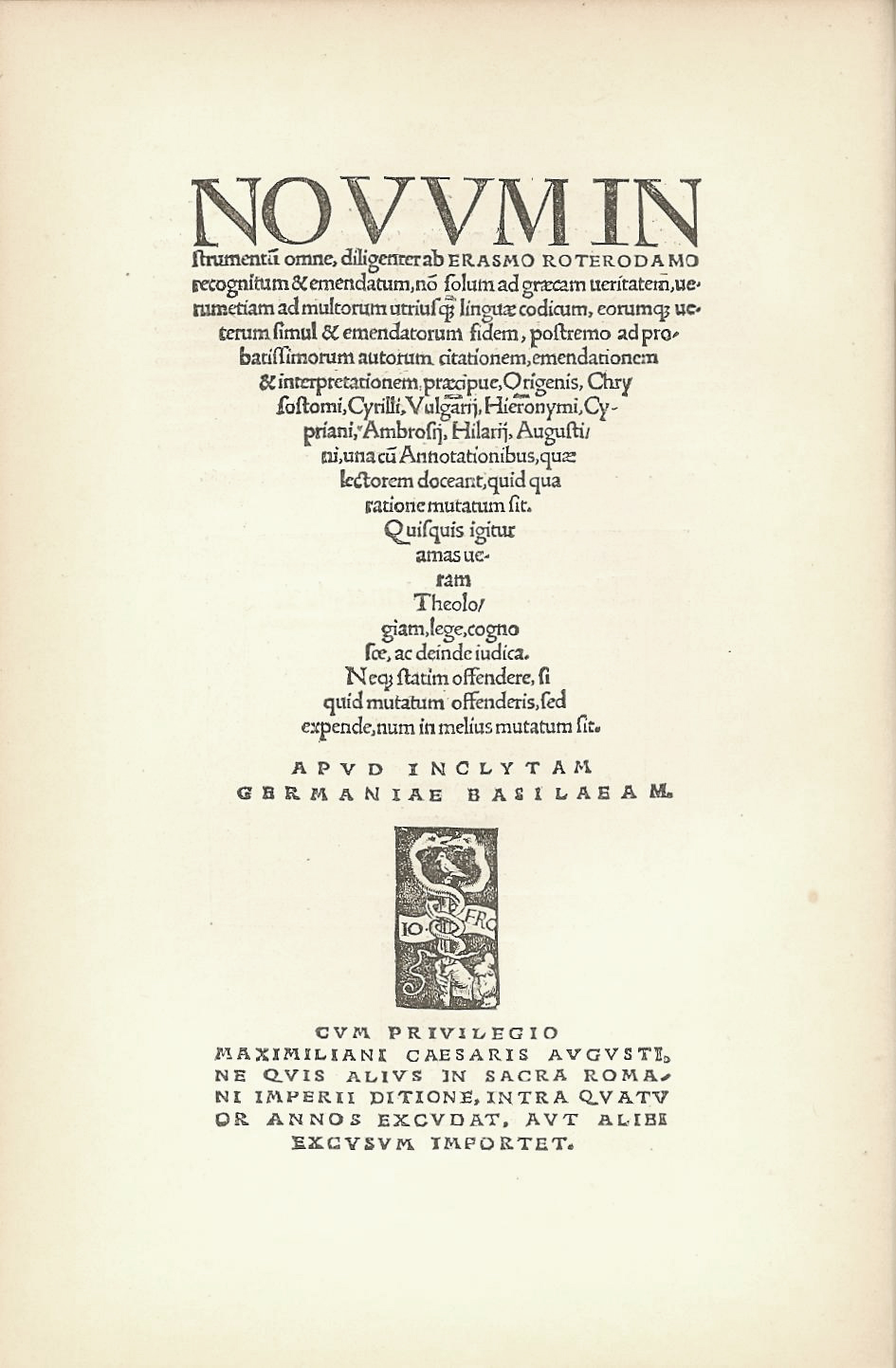
Novum Instrumentum omne
Erasmus · 1516
 Book
Primary source
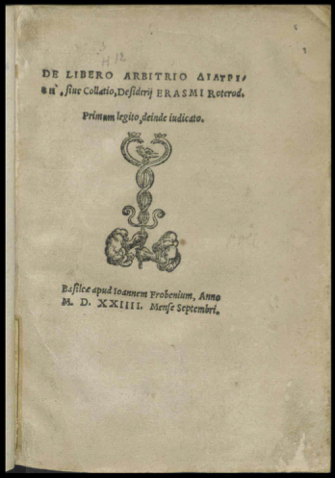
De libero arbitrio diatribe sive collatio
Erasmus · 1524
 Book
Primary source
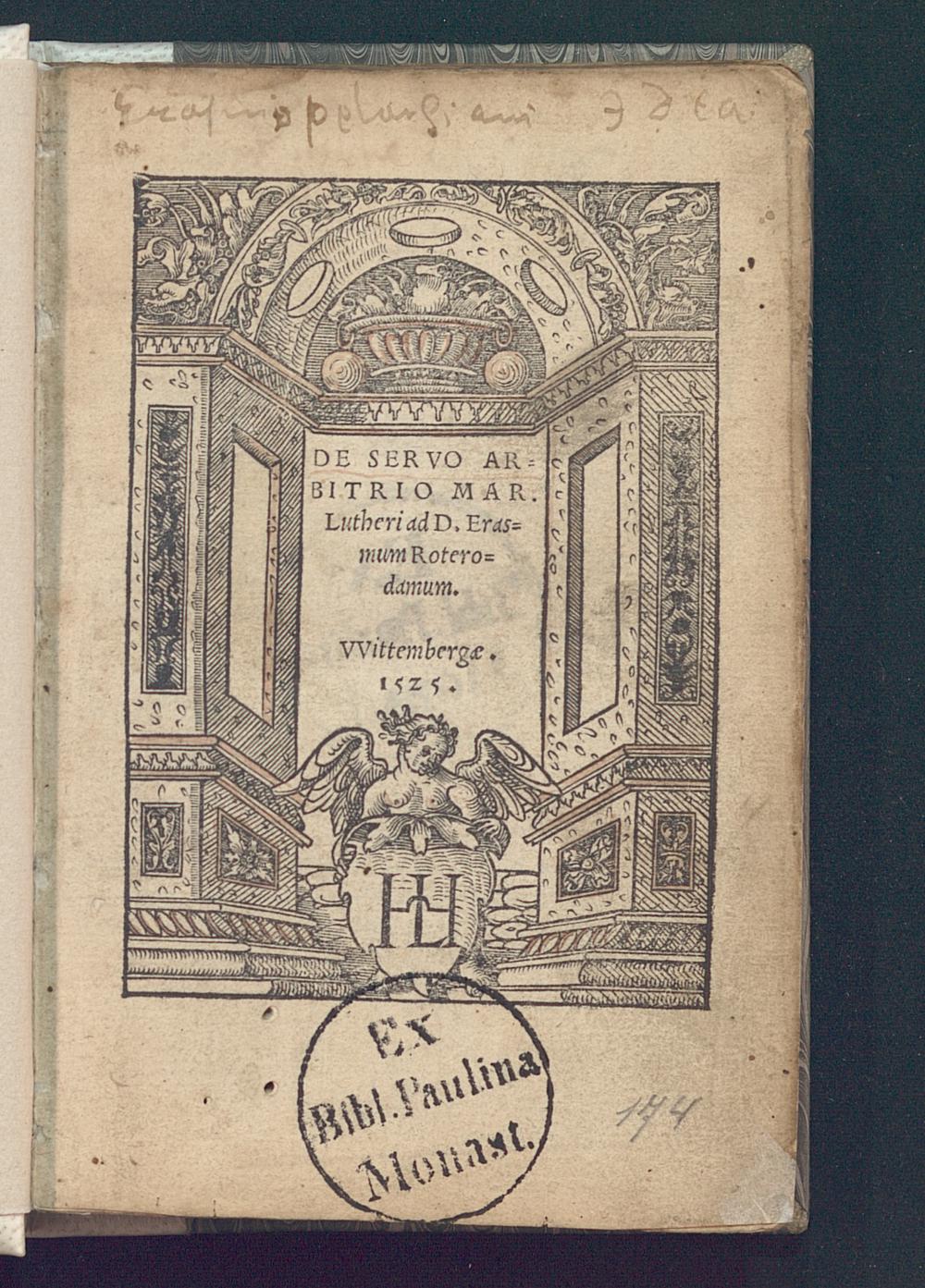
On the Bondage of the Will
Martin Luther · 1525
 Painting
Primary source
Erasmus
Hans Holbein the Younger · 1523
Ready when you are
Start chatting with Desiderius Erasmus now.
20 messages free · No credit card · Available in 50+ languages.