


Primary sourceBook1755
Universal Natural History and Theory of the Heavens
Immanuel Kant · 1755
Kant's anonymously published 1755 work proposing that the solar system and galaxies formed from swirling nebulae.
An early scientific work by Kant, showing him as a Newtonian cosmologist before his mature philosophical career.
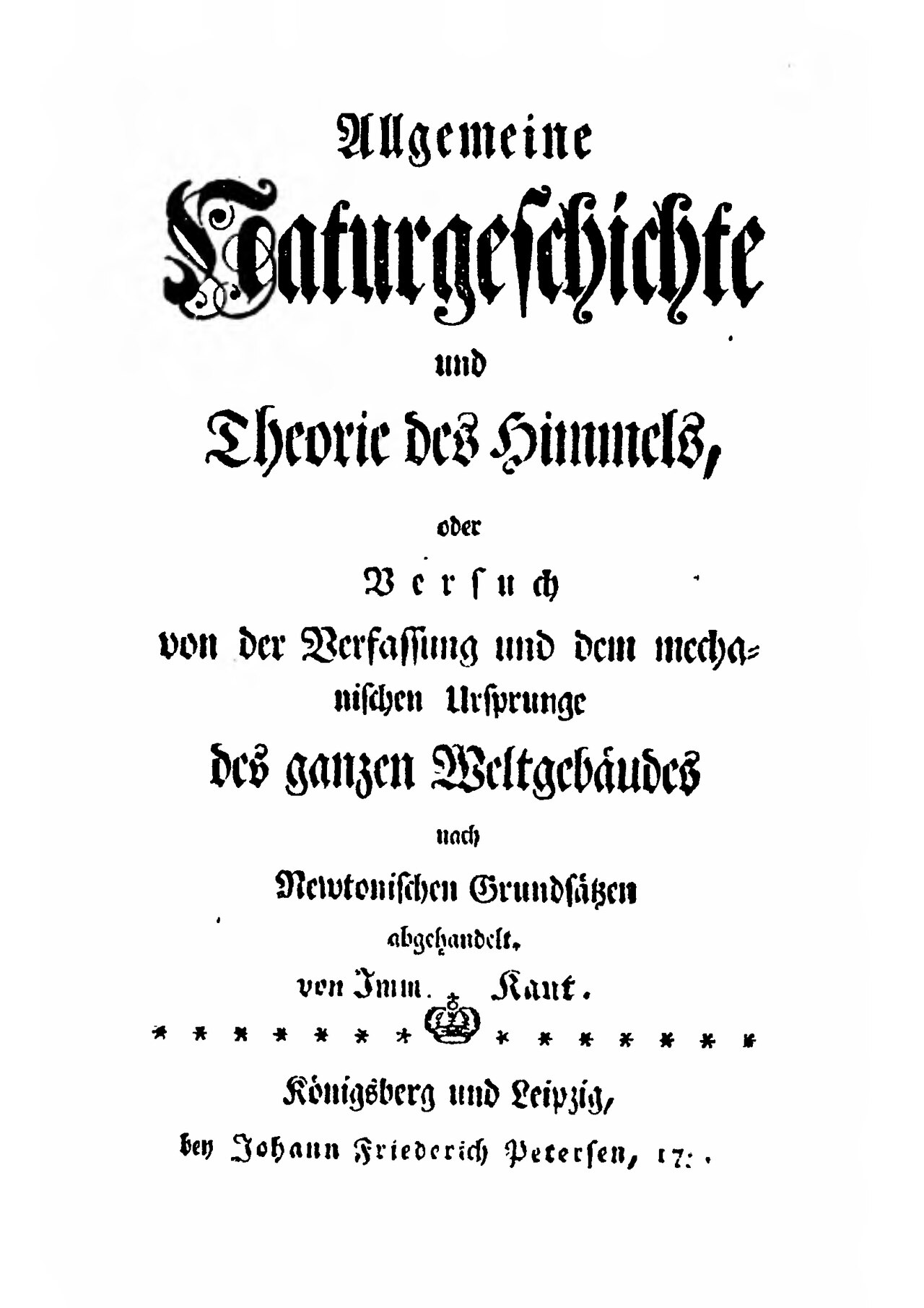
About this source
What it is
This is an essay written and published anonymously by Immanuel Kant in 1755, applying Newtonian principles to explain the origin of the universe. Kant proposes that solar systems form when clouds of dust (nebulae) collapse into disks that become suns and planets, and argues that the Milky Way is just one of many galaxies.
Why it matters
Before he became known mainly as a philosopher, Kant worked seriously as a natural scientist, inspired by a review of astronomer Thomas Wright's work. His nebular hypothesis anticipated ideas later associated with scientists such as Pierre-Simon Laplace, and some of his guesses about rings of particles around planets proved close to correct. The book shows a young Kant engaging confidently with cutting-edge science of his time.
Look closer
- Why might Kant have published this work anonymously?
- What does this essay suggest about the relationship between philosophy and science in the 1700s?
- How does Kant's closing reflection on nature compare to his later philosophical writing?
This book is part of the curated material that grounds the AI version of Immanuel Kant on Humy.ai — when students ask about related events, the AI can quote it and cite it.
More Immanuel Kant sources
Meet the AI Immanuel Kant →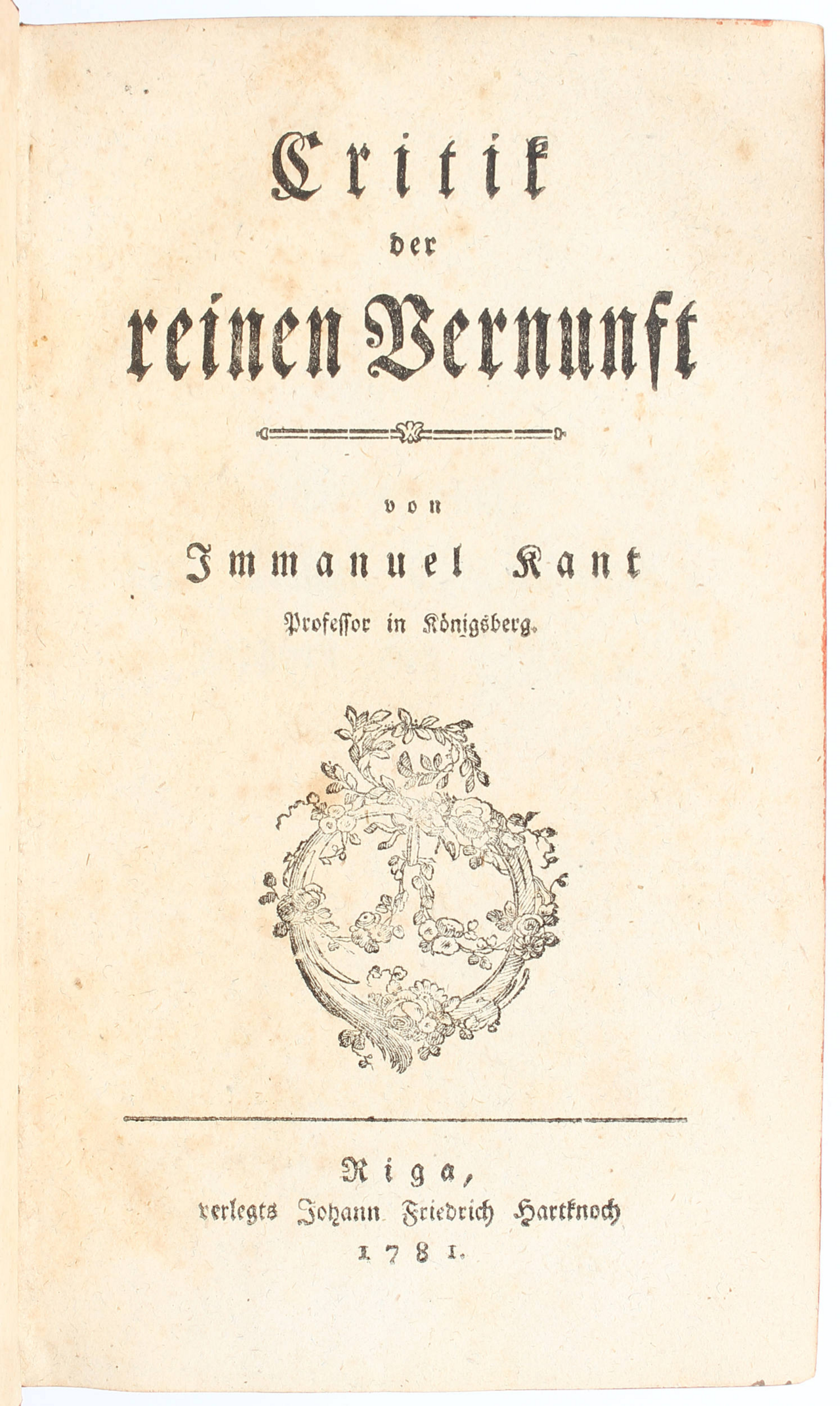 Book
Primary source
Critique of Pure Reason
Immanuel Kant · 1781 (revised 1787)
 Book
Primary source
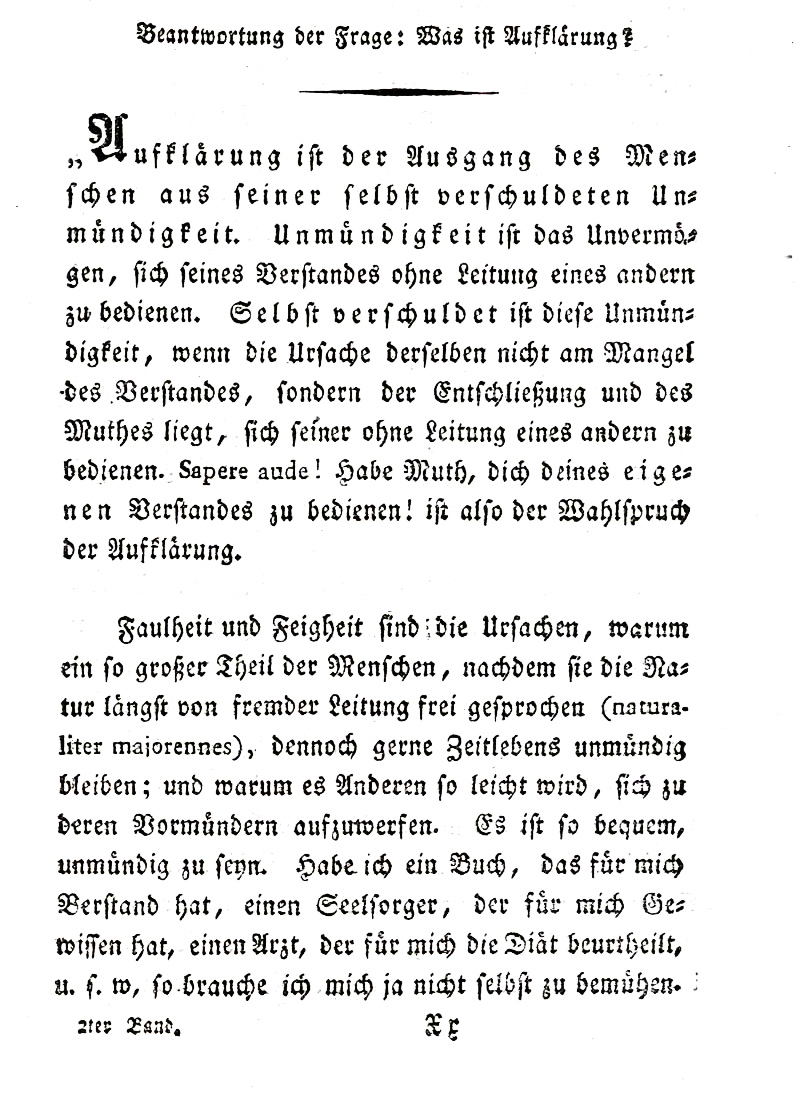
Answering the Question: What Is Enlightenment?
Immanuel Kant · 1784
 Book
Primary source
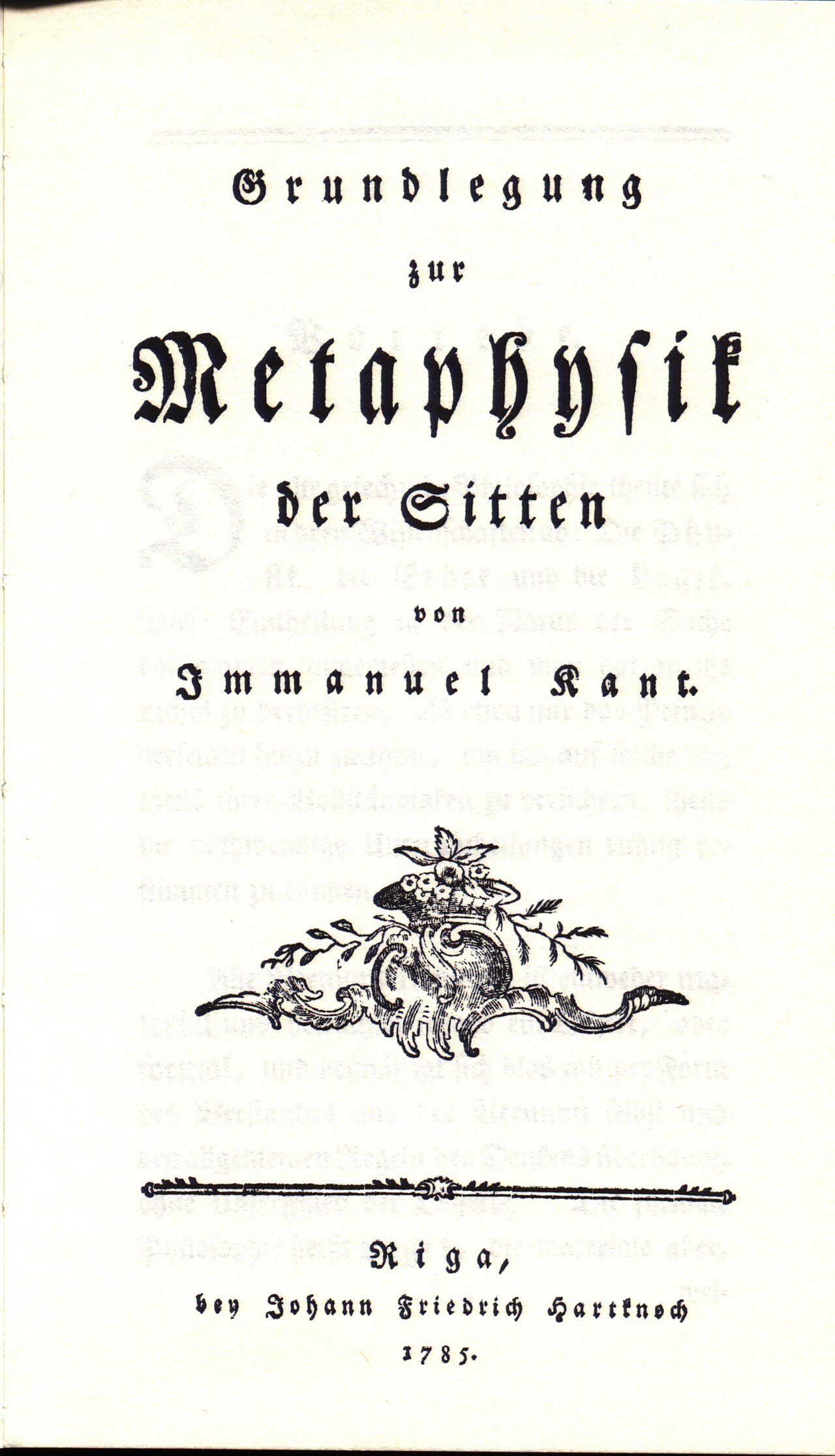
Groundwork of the Metaphysic of Morals
Immanuel Kant · 1785
 Book
Primary source
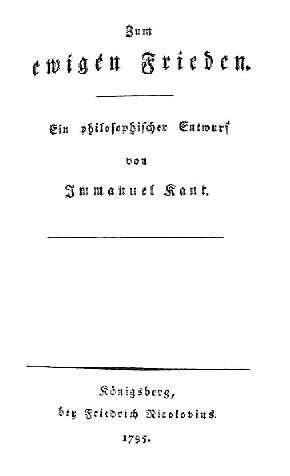
Perpetual Peace: A Philosophical Sketch
Immanuel Kant · 1795
 Book
Primary source
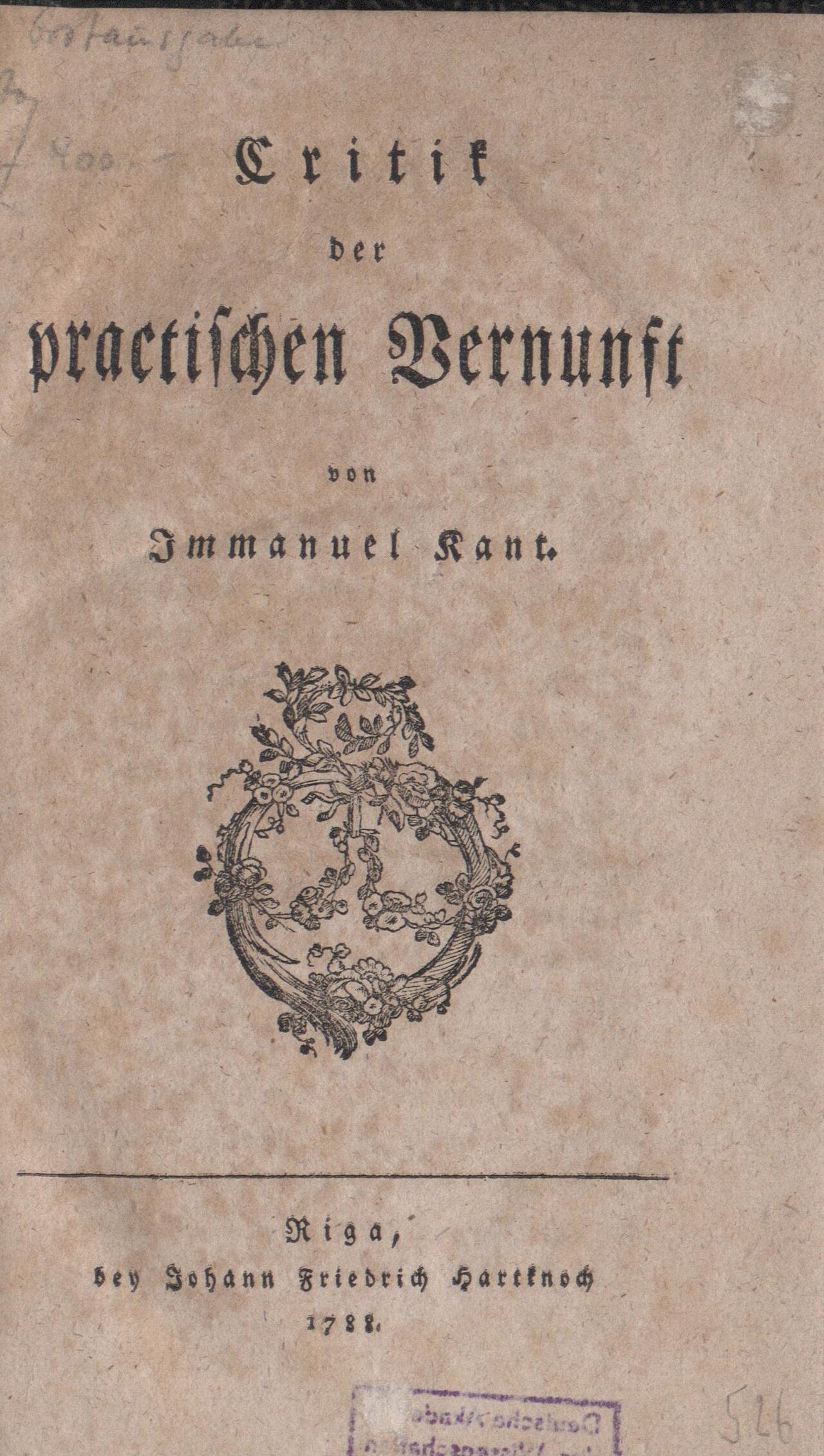
Critique of Practical Reason
Immanuel Kant · 1788 (completed 1787)
Ready when you are
Start chatting with Immanuel Kant now.
20 messages free · No credit card · Available in 50+ languages.