


Primary sourceBook1795
Zum ewigen Frieden
Immanuel Kant · 1795
Kant's 1795 philosophical essay on perpetual peace between states, heard here in a modern volunteer audio reading in German.
This is Kant's own essay on perpetual peace, read aloud by a modern volunteer narrator rather than in his own voice.
About this source
What it is
This is Immanuel Kant's essay Zum ewigen Frieden (Toward Perpetual Peace), written in 1795 in Königsberg. The recording offered here is a modern volunteer reading of the German text, not Kant's own voice.
Why it matters
In this essay Kant applies his moral philosophy to relations between states. He argues peace is not a natural condition but must be deliberately created, and that lasting peace requires states to submit to a shared system of international law. The work is an early and influential argument for international cooperation to prevent war.
Look closer
- Why might Kant have believed peace needs to be actively built rather than simply assumed?
- What does Kant mean by states submitting to binding international law, and does this idea sound familiar today?
- How does hearing the text read aloud change your experience of it compared to reading it silently?
This book is part of the curated material that grounds the AI version of Immanuel Kant on Humy.ai — when students ask about related events, the AI can quote it and cite it.
More Immanuel Kant sources
Meet the AI Immanuel Kant →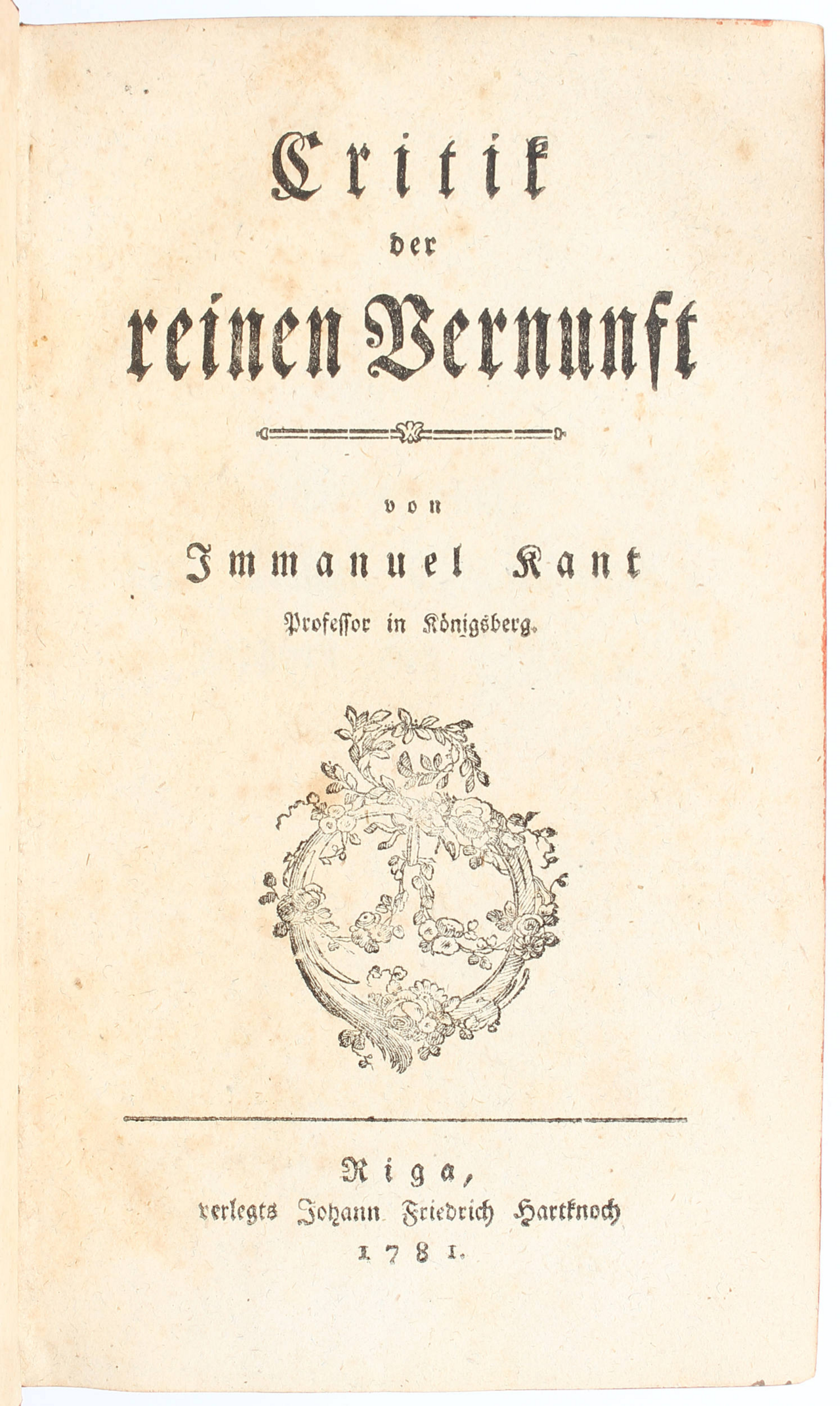 Book
Primary source
Critique of Pure Reason
Immanuel Kant · 1781 (revised 1787)
 Book
Primary source
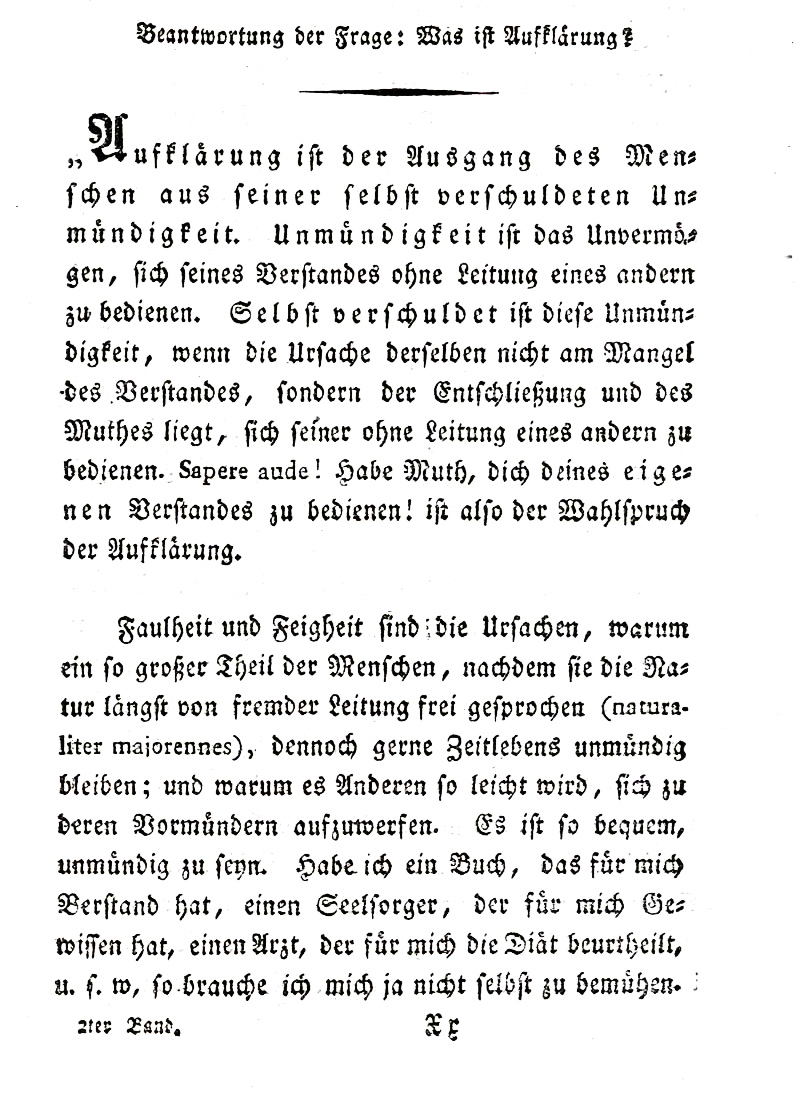
Answering the Question: What Is Enlightenment?
Immanuel Kant · 1784
 Book
Primary source
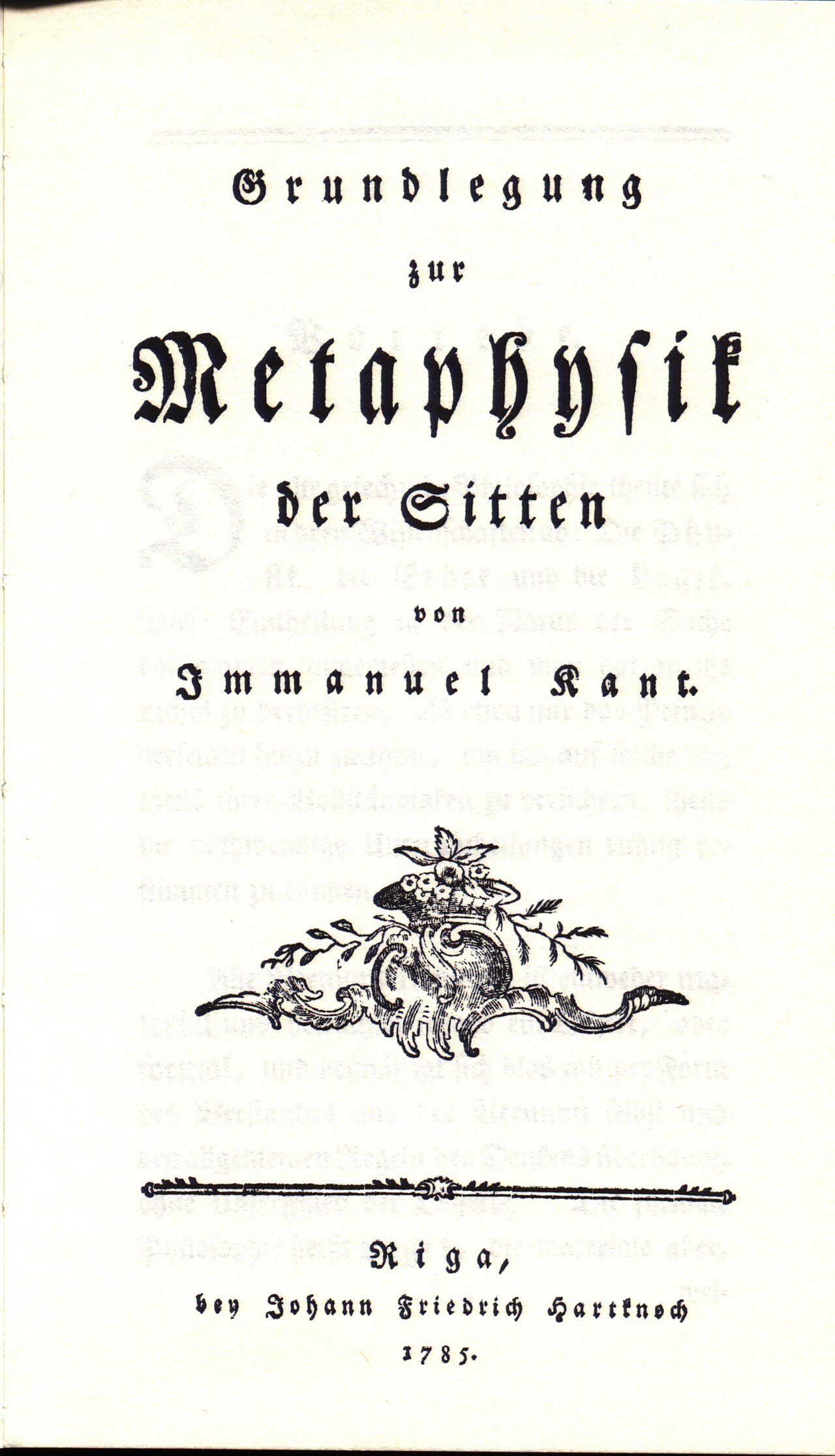
Groundwork of the Metaphysic of Morals
Immanuel Kant · 1785
 Book
Primary source
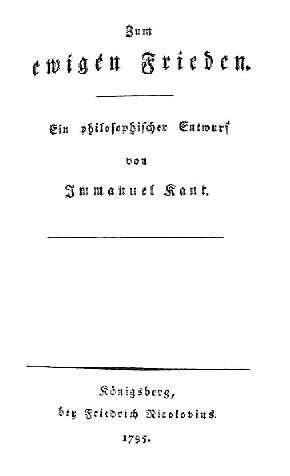
Perpetual Peace: A Philosophical Sketch
Immanuel Kant · 1795
 Book
Primary source
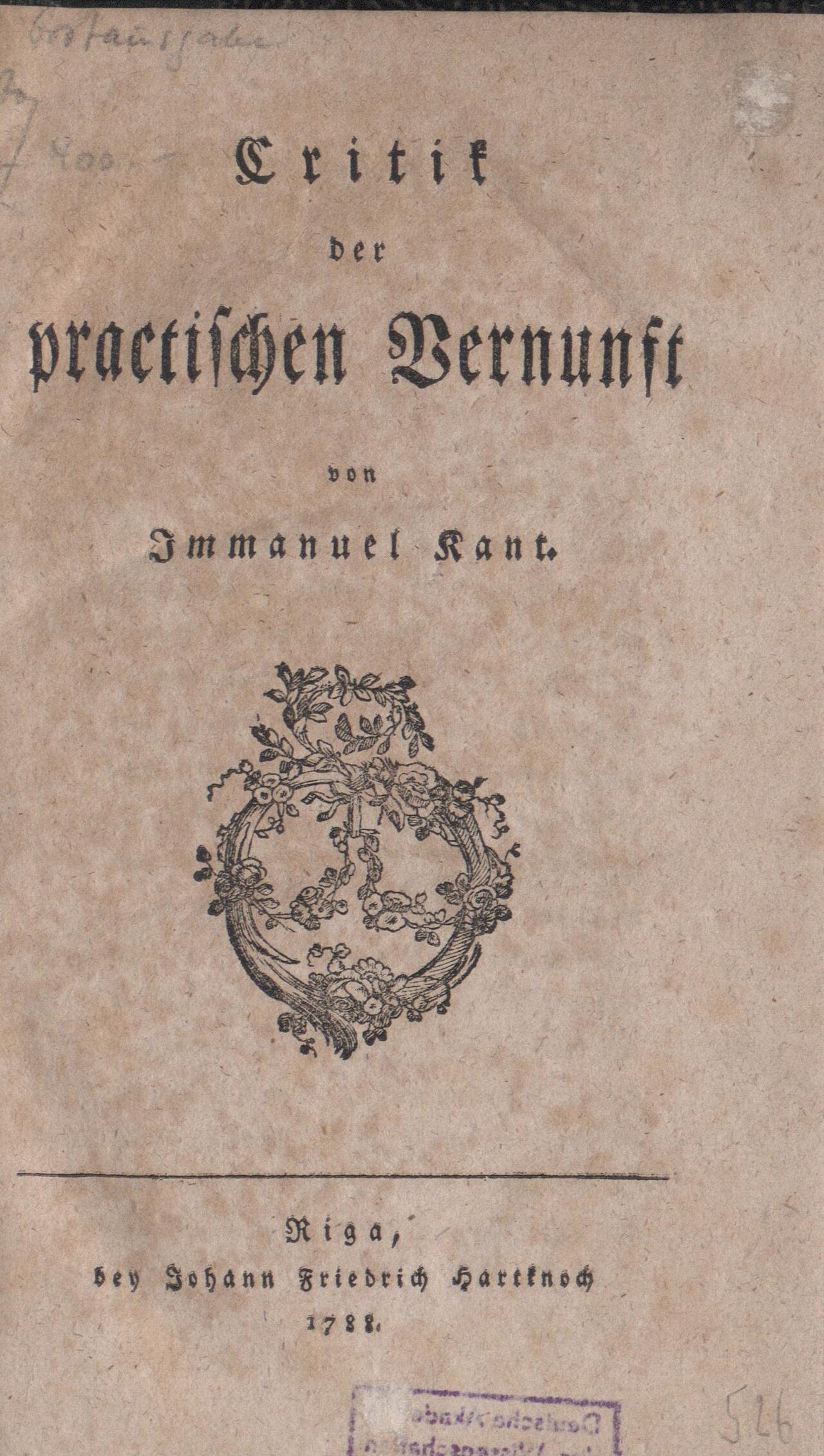
Critique of Practical Reason
Immanuel Kant · 1788 (completed 1787)
Ready when you are
Start chatting with Immanuel Kant now.
20 messages free · No credit card · Available in 50+ languages.